


Ramadan is the month of fasting in Islam, during which Muslims abstain from eating and drinking from sunrise to sunset for 29 or 30 days. For a beginner, Ramadan simply means fasting during the day, praying more, behaving well and organizing your meals around suhoor (before dawn) and iftar (at sunset).
Ramadan for beginners: the essentials to know
- You fast from sunrise to sunset: no eating and no drinking, not even water.
- You eat a meal before dawn (suhoor): it helps you get through the day, especially when you’re starting out.
- You break your fast at sunset (iftar), starting gently (water, dates, soup).
- Feeling hungry or thirsty during the first few days is normal: your body adapts gradually.
- Ramadan is not only about food: you also try to be calmer, more patient and kinder.
- It’s normal not to be perfect: for a first Ramadan, you learn and move forward at your own pace.
If you’re just starting out, there’s no need to put pressure on yourself: what matters is to try and do your best.
Just starting out? Understanding Ramadan
What is Ramadan? Meaning and origin
Ramadan is the ninth month of the Muslim calendar. For about 29 or 30 days, you fast from sunrise to sunset. No food, no drink, and you pay attention to your actions and your words. It isn’t just a matter of deprivation: it’s a time to refocus, strengthen your faith and work on yourself.
The origin of Ramadan goes back to the revelation of the Quran to the Prophet Muhammad ﷺ. It is a founding pillar of Islam, with a real spiritual dimension.
Prayer outfit
Pray in comfort and serenity
Comfortable and modest outfits – For women & men

Why is Ramadan important in Islam?
Ramadan is one of the five pillars of Islam. It represents obedience to God, the purification of body and mind, and solidarity with those who have less. It is also a time of sharing, generosity, and connection with family and community.
But it isn’t only religious: it’s also a time to take stock of your habits, learn patience and rediscover gratitude.
The basic rules to know
- Fasting : no food or drink between dawn and sunset.
- Abstaining : avoid negative behavior (anger, backbiting, etc.).
- Prayer : increase the time devoted to prayer and reading the Quran.
- Solidarity : think of others, give to those in need (zakat al-fitr).
- Breaking the fast: every evening, you break your fast at iftar, often surrounded by loved ones.
Some people do not fast: children, pregnant or breastfeeding women, people who are ill, travelers. If in doubt, ask someone you trust or an imam.
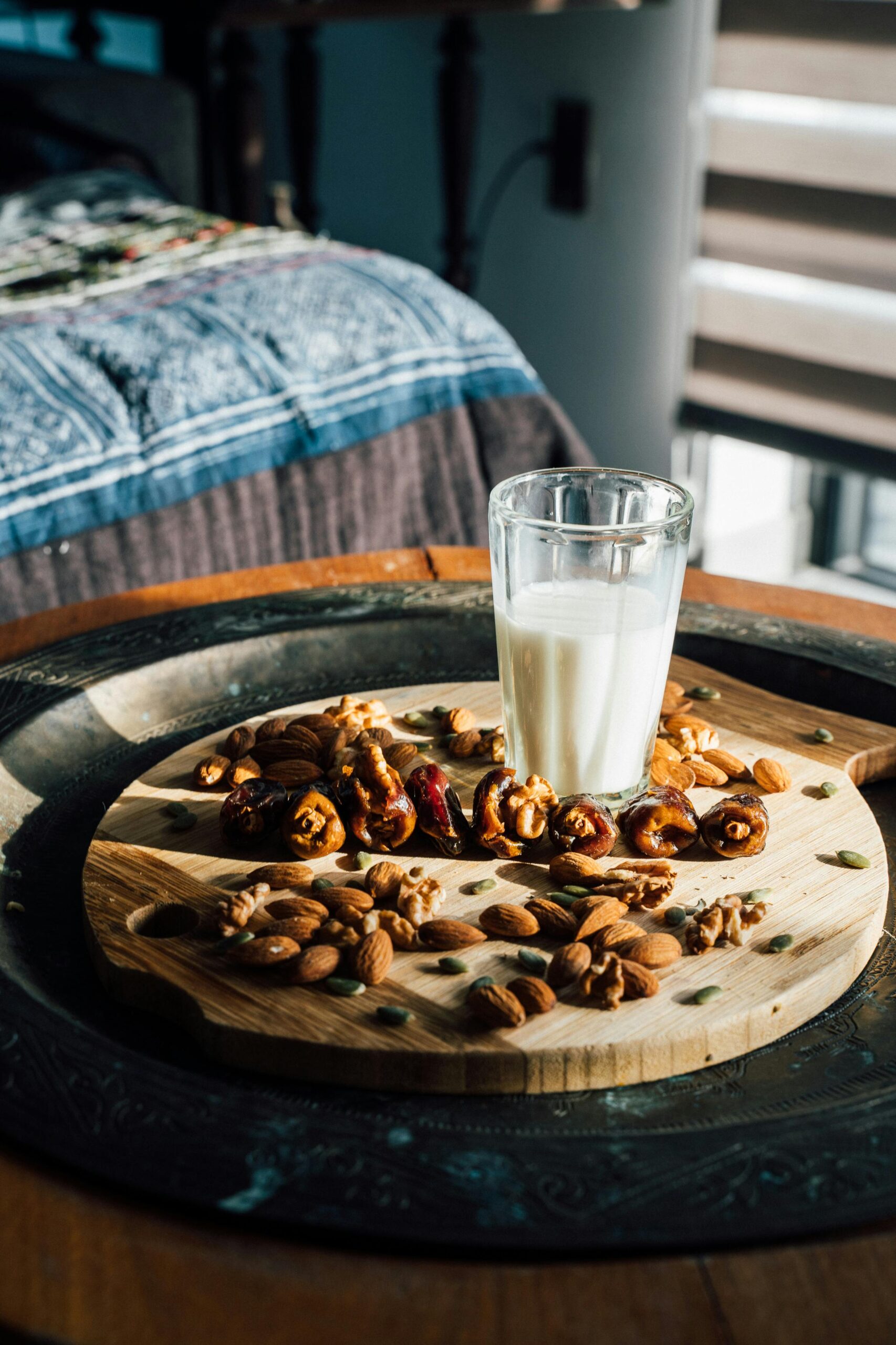
Preparing for your first Ramadan: practical tips
Preparing mentally and spiritually
Starting Ramadan also means preparing your mind. Learn about the meaning of this month. Set simple intentions: to make progress, to learn, to stay kind to yourself.
A few ideas to get into the mood:
- Meditation
- Prayer
- Reading inspiring texts
Every small step counts. There’s no need to go too fast.
Adjusting your schedule and organization
The rhythm changes during Ramadan. To keep everything running smoothly, plan ahead a little:
- Sleep : try to go to bed earlier or fit in a nap.
- Meals : prepare in advance, it helps avoid stress.
- Activities : avoid strenuous physical effort during the day.
- Work/studies: let them know if needed so they can adjust your hours or your breaks.
Keep a simple routine. The less complicated it is, the easier it is to follow. And no, nobody has ever regretted having a zen routine.
Tips for managing hunger, thirst and fatigue
- Stay well hydrated between iftar and suhoor.
- Choose filling foods: whole grains, protein, dried fruit.
- Avoid anything too salty or too sweet, as it makes you thirsty or tired.
- Listen to your body: tired? Take a break.
- Keep your mind occupied: reading, walks, calm activities.
A quick reminder: feeling hungry or thirsty at first is normal. The body adjusts, often faster than you’d think.
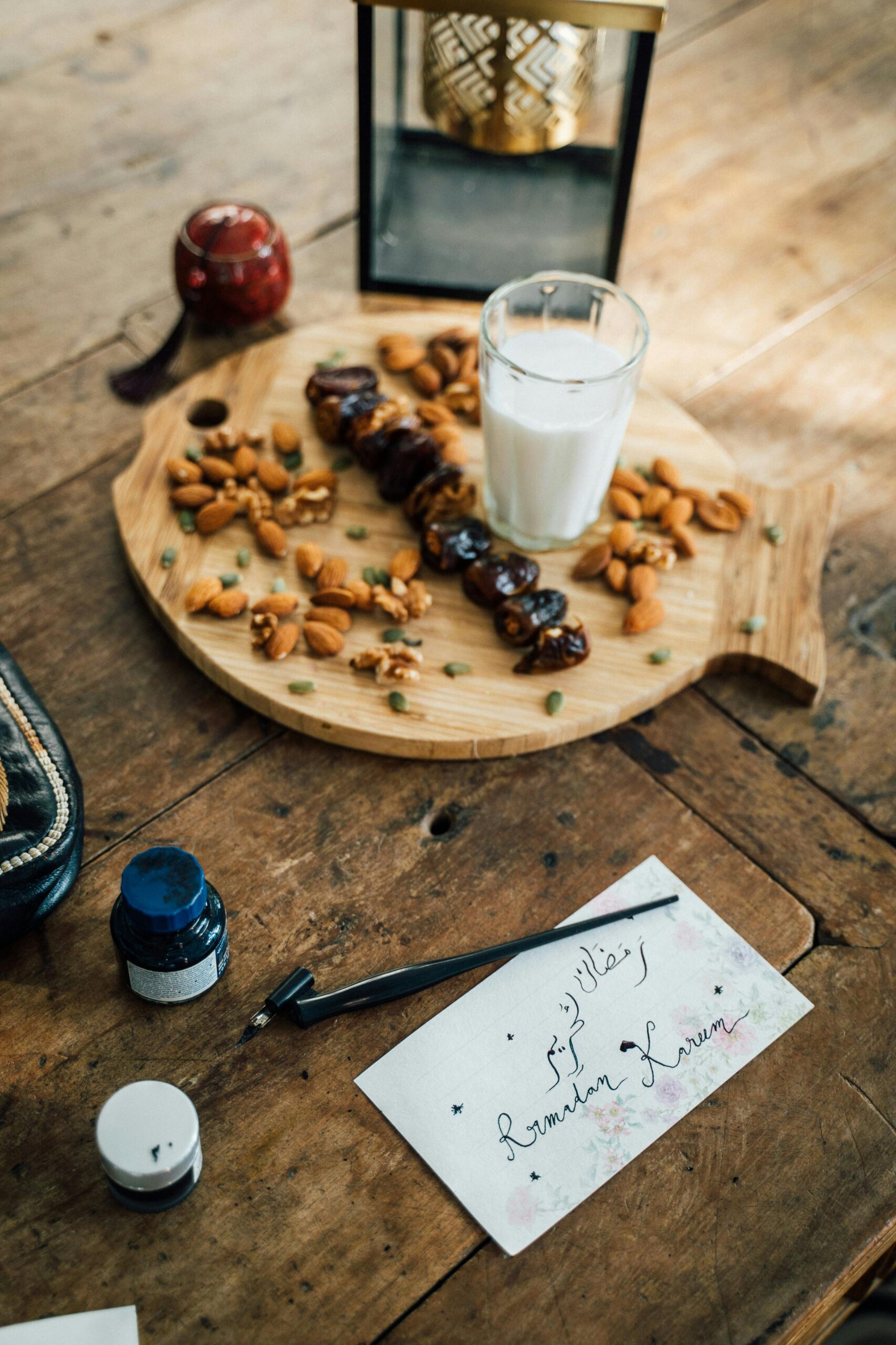
What to eat during Ramadan to keep going?
Suhoor (pre-dawn meal): what to focus on?
Suhoor is the meal just before dawn. It should keep you full without being heavy. Focus on:
- Oats, whole-grain bread, rice
- Eggs, yogurt, fromage blanc
- Fresh fruit or dried fruit (banana, dates, apricots)
- Nuts, almonds
- Water, milk, herbal teas
Foods that are too fatty or too sugary? Avoid them. A balanced suhoor is the foundation for getting through the day.
Iftar (breaking the fast): mistakes to avoid
At iftar, hunger can make you want to dive into the food. But it’s better to:
- Start gently: dates, water, light soup.
- Eat slowly: give your body time to restart.
- Avoid excess: overeating means guaranteed discomfort.
- Focus on quality: vegetables, protein, starches.
There’s nothing to gain from clearing your plate at top speed. Promise, there’s no timer!
Hydration and nutrition: essential tips
- Drink regularly between iftar and suhoor (water, herbal teas, milk).
- Limit sodas and sugary drinks.
- Split up your meals: a light snack after the evening prayer, if needed.
- Listen to your hunger: no need to force yourself if you no longer have an appetite.
A table to make things clear:
| Best choices | To avoid |
|---|---|
| Water, herbal teas | Sodas, sugary drinks |
| Whole grains | Viennoiseries, pastries |
| Fresh fruit and vegetables | Overly fatty or salty dishes |
| Lean protein (chicken, eggs) | Cold cuts, fried foods |
| Dates, dried fruit | Candy, processed snacks |
Loose-fitting set
A set you can breathe in
Wear it however you like, at home or out and about.

Experiencing Ramadan as a beginner (on your own or as a convert)
Dealing with loneliness or a lack of support
Observing Ramadan alone or after converting can sometimes be a real challenge. Feeling lonely is common, especially at the beginning. A few ideas to stay connected:
- Join online groups or local associations.
- Take part in group iftars if possible.
- Talk with other beginners, even remotely.
Keep in mind: even if those around you don’t always understand, you are never truly alone.
Finding help and resources
- Mosques, cultural centers, associations: often welcoming and ready to help.
- Forums, social media: lots of groups for beginners.
- Books, podcasts, videos: to stay informed and feel supported.
Ask your questions, even the most basic ones. There’s never a “silly” question when you’re just starting out. Really.
First Ramadan: testimonials
“I was afraid I wouldn’t be able to keep going, but the support of a WhatsApp group helped me a lot.” – Samira, 22 years old
“The hardest part was explaining it to my colleagues. In the end, they were curious and respectful.” – Rachid, 28 years old
“I felt less alone by watching live streams on Instagram every evening.” – Julie, 19 years old
Islamic items
Beautify your prayer space
Islamic items carefully selected

Common beginner mistakes and how to avoid them
Overeating, fatigue, discouragement: practical solutions
- Eating too much at iftar: slow down, listen to your body.
- Overwhelming fatigue: review your sleep, take breaks.
- Discouragement: remember that every day counts, even if everything isn’t perfect.
Accept the ups and downs: Ramadan is also a time to learn about yourself.
Handling the unexpected and staying motivated
- Forgot something? No stress, simply resume your fast.
- Feeling low? Talk to someone, refocus on your intentions.
- Something unexpected at work or school? Let them know in advance, adapt if possible.
Being kind to yourself is the foundation. We’re not aiming for perfection, especially the first time.
In short, starting Ramadan is a real discovery, sometimes a challenge, but also a source of pride. What matters is to go at your own pace, stay kind to yourself and not hesitate to ask for help. Every experience is different, but you’re never alone on this journey. Ramadan Mubarak to all!
FAQ
Start by understanding the meaning of Ramadan and its rules. Prepare yourself mentally, adjust your schedule, and favor a balanced diet. Ask for advice from those who have experience. Take each day as it comes.
It is a month of fasting, prayer, and reflection. People abstain from eating and drinking between dawn and sunset. It is also a time to strengthen one’s faith, patience, and sense of sharing.
You can wish your loved ones “Ramadan Mubarak” or “Ramadan Kareem.” They mean “Blessed Ramadan” or “Generous Ramadan.”
The Ramadan begins with the sighting of the crescent moon, according to the lunar calendar. The exact date changes every year and from one country to another.
Yes, it’s possible. Many beginners and converts experience it this way. Look for support online or from local groups if needed.