


To eat well during Ramadan, start iftar gently (water + dates), avoid meals that are too fatty or too sugary, stay well hydrated during the night, and have a nourishing suhur rich in protein and fiber. This helps you keep your energy up, limit fatigue and avoid hunger pangs during the day. With a balanced diet across suhur, iftar and nighttime meals, the body stays stronger and fasting becomes easier to bear.
What to eat in the morning during Ramadan (suhur)
The suhur is the meal that prepares you for the day. It should satisfy without weighing you down and last for the long haul. Ideally, focus on low glycemic index foods: they release energy gradually and prevent cravings. A few essentials:
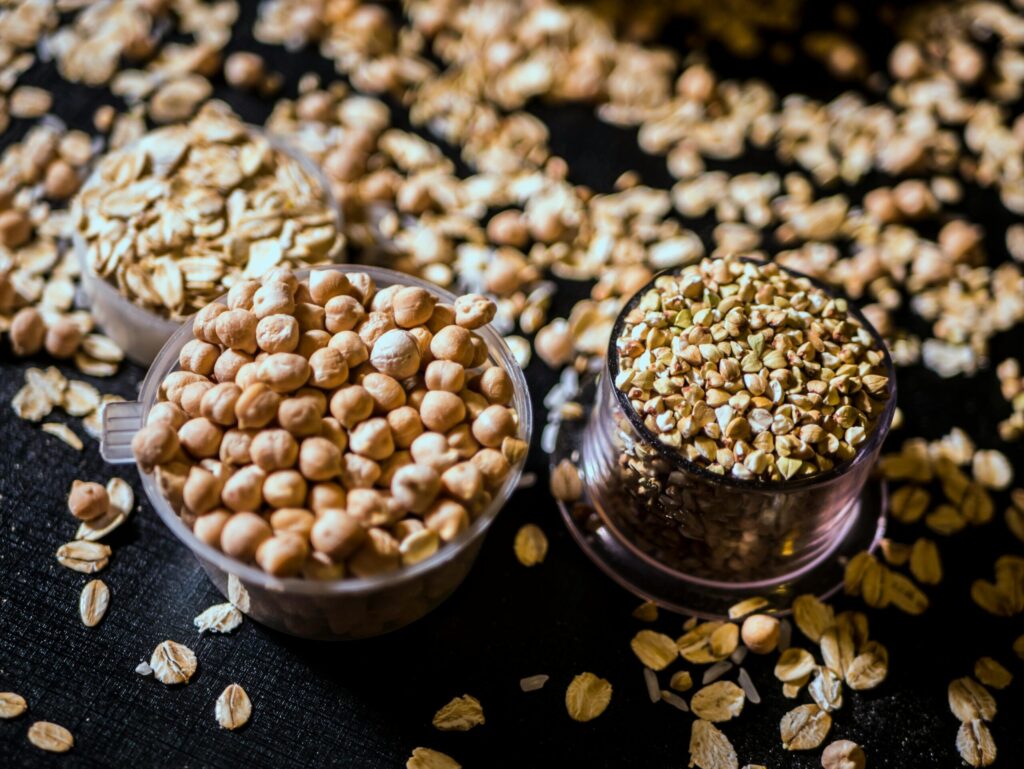
- Whole grains: whole wheat bread, oatmeal, brown rice. They keep you full for a long time.
- Protein: eggs, dairy products, nuts. Handy for maintaining muscle mass and avoiding hunger too soon.
- Fresh fruit: vitamins, minerals, fiber… Dates, bananas or apples provide energy without the jolt of fast sugar.
- Healthy fats: olive oil, avocado, almond butter. They prolong fullness without making digestion difficult.
A few simple ideas for a balanced suhur:
- Oatmeal cooked in milk, with a banana and walnuts or almonds.
- Whole wheat bread, hard-boiled egg, fromage blanc, an orange.
- Semolina pudding with milk, a few dates, a handful of almonds.
- Multigrain bread with peanut butter, an apple.
What to avoid: anything too salty (cold cuts, strong cheeses) or too sugary (pastries, ultra-sweetened cereals). They make you thirsty or spark your appetite too early. In short, a varied suhur, full of fiber and protein, is your ticket to a day without a slump. And if you’re torn between two options, steer clear of the one that looks like a birthday cake.
What to eat in the evening to break the fast (iftar)
The iftar is THE moment everyone looks forward to, but it’s best to take it slowly. We start with the classic: a date and a glass of water. Besides being symbolic, this ritual restarts digestion without shocking the body. Dates provide quickly absorbed carbohydrates, and water hydrates without being abrupt.
After that, a light soup (chorba, harira, vegetable broth) warms the stomach and provides minerals. For the main course, keep it balanced:
- Starches: rice, whole wheat pasta, potatoes.
- Vegetables: cooked or raw, depending on taste.
- Lean protein: fish, chicken, eggs, legumes.
This trio helps you recover without weighing down your digestion.
To finish, a fresh fruit or a homemade compote adds a sweet touch without excess. Very rich and sugary desserts are for special occasions, not every night (otherwise your blood sugar may start yo-yoing).
A few sample iftar menus:
- Vegetable soup, couscous with vegetables and chickpeas, plain yogurt, an apple.
- Harira, brown rice, grilled chicken breast, green salad, an orange.
- Broth, whole wheat pasta, herb omelet, tomato salad, dates.
One tip: split up the meal. Start light, take a short break, then move on to the main course. Your digestion will love it. And we can’t say it often enough: it’s better to savor than to dive in headfirst, even when you’re very hungry.
How to stay well hydrated during Ramadan
Hydration is THE point not to neglect. Without water during the day, fatigue and headaches set in quickly. The idea is to drink regularly between iftar and suhur. Aim for 1.5 to 2 liters of water over the night, in small sips spread out until morning.
To avoid:
- Sugary, fizzy or caffeinated drinks: they can worsen dehydration.
- Tea and coffee in large amounts: diuretic effect, therefore water loss.
To favor:
- Still water, mild herbal teas, unsweetened infusions.
Add water-rich foods to your meals:
- Watermelon, melon, cucumber, tomato, orange, strawberry.
- Soups, broths, homemade compotes.
These foods hydrate and provide useful minerals to make up for the day. Keep a water bottle within reach and drink regularly, even if you’re not thirsty. And a little bonus: a soup as a starter has a double effect (hydration + fullness). If you forget to drink, your body will remind you… in its own way.
Foods to avoid during Ramadan
Some foods make fasting harder: difficult digestion, guaranteed thirst or fatigue. It’s best to limit, or even avoid, these classic pitfalls:
- Meals that are too fatty or too sugary, at suhur as well as at iftar.
- Skipping suhur to sleep longer (a bad idea).
- Overdoing coffee or tea.
- Snacking all night without a break.
Keep a close eye on:
- Very salty foods (cured meats, chips, strong cheeses): they make you thirsty all day.
- Fried dishes and foods high in saturated fat: slow digestion and a feeling of heaviness.
- Very sugary Middle Eastern pastries: a sugar spike, then an energy crash.
Key takeaways:
- Favor natural, minimally processed foods.
- Limit salt, sugar and saturated fats.
- Save sweet treats for special days, your body will thank you.
A simple rule of thumb: if a food makes you thirsty just by looking at it, it’s probably not the best choice for Ramadan.
Tips for keeping a balanced diet during Ramadan
Staying balanced during Ramadan is mostly a matter of organization and good habits. Three main moments are enough to cover your needs without weighing down your digestion:
1. Suhur: a real, filling meal with complex carbohydrates, protein and fiber.
2. Iftar: start gently (dates, water, soup) then move on to a balanced main course.
3. Snack (in the evening, if needed): a piece of fruit, a dairy product or a handful of dried fruit.
Avoid eating one meal after another or eating out of habit. Listen to your hunger and trust your body’s signals. To limit fatigue and cravings:
- Choose low glycemic index foods (whole grains, legumes).
- Add a serving of protein to every meal (eggs, fish, dairy, legumes).
- Cut back on processed foods.
- Do some gentle physical activity after iftar, such as a short walk.
- Give yourself real time to sleep: fatigue is also a lack of rest.
Helpful tip: plan your menus ahead of time. Fewer temptations, more peace of mind. And if you forget an ingredient? No stress: consistency matters more than perfection.
Summary table: what to eat and avoid during Ramadan
| Mealtime | Best choices | To avoid |
|---|---|---|
| Suhur | Whole grains, eggs, fruit, dairy, nuts and seeds | Pastries, salty dishes, sweets |
| Iftar | Dates, soup, vegetables, starchy foods, lean protein, fresh fruit | Fried foods, sodas, sugary pastries |
| Hydration | Water, soups, fruits with high water content | Coffee, too much tea, sugary drinks |
This table is your cheat sheet. At a glance, you know what to favor and what to leave aside. Handy, especially when fatigue starts to creep in.
Conclusion
Eating well during Ramadan isn’t complicated: a little organization, some common sense, and above all simple, varied foods. Remember to hydrate well as soon as you break your fast and spread your meals across the evening. Limit excess, listen to your body, adjust to your needs. With these guidelines, you can get through Ramadan while staying fit and energized.
FAQ
Focus on low glycemic index foods, add protein to every meal, drink enough water and get good sleep. Avoid anything greasy or very sugary.
There is no strictly forbidden food, but it is best to limit fried foods, very salty dishes, sweets and caffeinated drinks. They make digestion harder and increase thirst.
Choose whole grains, eggs, fresh fruit, nuts and a dairy product. Avoid excess sugar and salt.
Drink between 1.5 and 2 liters of water between iftar and suhur. Add water-rich foods (watermelon, cucumber, soup) and limit coffee and tea.
Snacking isn’t necessary. Three well-spaced meals are enough. If needed, a healthy snack will do the job. Simply listen to your hunger.
Leave a Reply