


A child is only required to fast during Ramadan from puberty onward, because that is when fasting becomes obligatory in Islam. Before that, fasting is not a religious obligation, but parents can gradually accustom their child to it depending on their health, ability and age, without forcing them. There is therefore no fixed age that applies to everyone: what matters is respecting the religious rule while taking the child’s well-being into account.
At what age can a child fast during Ramadan?
What religion says about the age of fasting
In the Muslim religion, the Ramadan fast only becomes obligatory from puberty. The texts are very clear on this: fasting is one of the five pillars of Islam, but it only applies to those who have reached maturity, both physically and mentally. Before puberty, children are not subject to this obligation. They can still choose to take part if they want to and if everything is fine health-wise.
Families often suggest that children try fasting for a few hours, or a few days, without ever putting pressure on them. The idea is to gradually get them used to it, without forcing. Religion emphasizes gentleness and understanding with the youngest. What matters is respecting their pace, not following the rules to the letter before puberty.
Differences between girls and boys (puberty, physical signs)
Puberty is the starting point for the obligation to fast, but it doesn’t arrive at the same time for everyone. It generally begins to show between ages 10 and 13, but it varies from one child to another. In girls, it can start with the arrival of their period, breast development or a real growth spurt. In boys, it is often a changing voice, the appearance of body hair or a gain in height.
Islamic gift
Give a meaningful gift this Ramadan
Islamic items carefully selected

A quick table to summarize the signs:
| Girls | Boys |
|---|---|
| Onset of periods | Voice changes |
| Breast development | Muscle development |
| Growth spurt | Appearance of body hair |
Religion takes these differences between girls and boys into account. As soon as a sign of puberty appears, fasting becomes obligatory, regardless of gender. There’s no need to compare children with one another: each one moves at their own pace, and the rule adapts to each case.
The recommended age according to common practice (10-13 years)
In practice, many families choose to introduce their children to fasting before puberty, often around age 10. This introduction is done gently: some children try half a day, others test a few days during the month. The goal is to prepare without stress, never as a competition.
Each family adapts it according to the child’s personality, health and willingness. There is no fixed rule on the ideal age, but the 10-13 years range often comes up for a first try. What matters is respecting the child’s pace and putting the experience before the obligation.
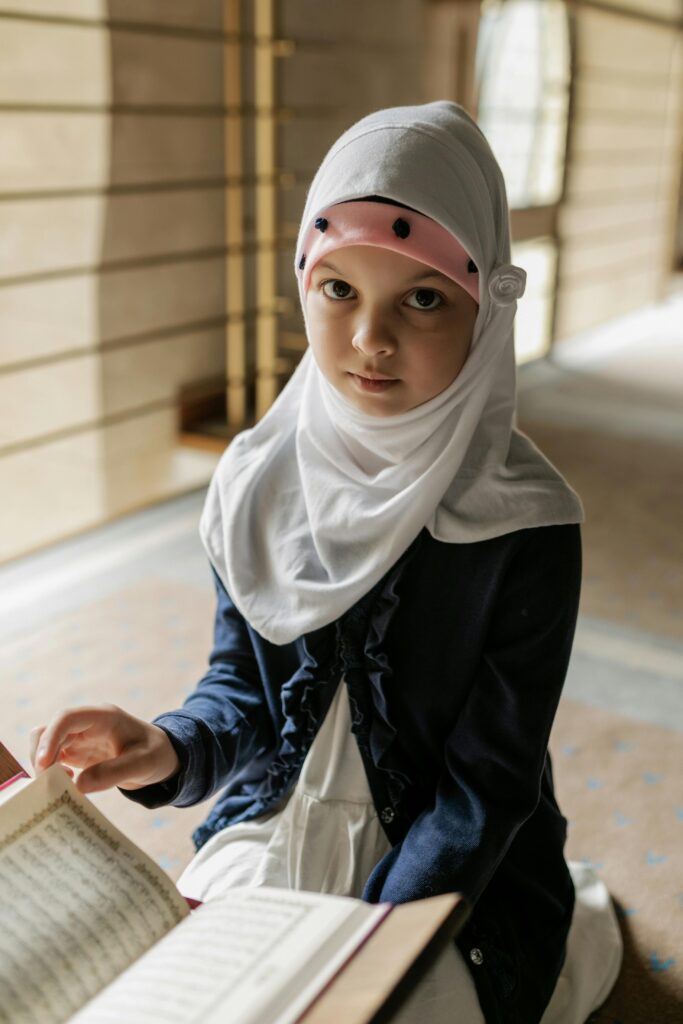
Ramadan and children: tips for getting started
How to support your child during their first fasts
Supporting a child who is starting to fast mostly takes patience and listening. It’s better to go step by step: start with a morning, then a full day, depending on their age and how they feel at the time. Let them tell you how they feel, and recognize every small effort, even if they don’t make it to the end. What counts is the intention, not the clock.
To make it more engaging, involve your child in meal preparation, especially suhoor (the meal before dawn) and iftar (the evening meal). Explain the meaning of Ramadan, the values of sharing, patience and solidarity. Talk with them, answer their questions, and encourage them to share how they feel.
A few tips for a calm start:
- Set goals suited to their age.
- Celebrate every small victory.
- Stay flexible: they can stop whenever they want.
- Share meals as a family, it makes the experience more enjoyable.
And if they give in to the smell of fresh bread, remind them that even grown-ups struggle to resist sometimes!
Health precautions to follow
Your child’s health must always come first. Before starting the fast, make sure they have a real breakfast at suhoor, rich in energy and water. Favor:
- Whole grains
- Fruit
- Dairy products
- Eggs
Hydration is the foundation, especially if Ramadan falls during the hottest weather.
Keep a close eye on:
- Unusual fatigue, irritability, feeling unwell
- Avoid intense physical activity
- See a doctor if your child has a chronic illness (diabetes, asthma…)
- Remind them they can stop at any time if needed
As one nutritionist puts it: “Fasting should never interfere with a child’s growth or balance.” It’s better to prevent problems than to rush to the doctor in an emergency.
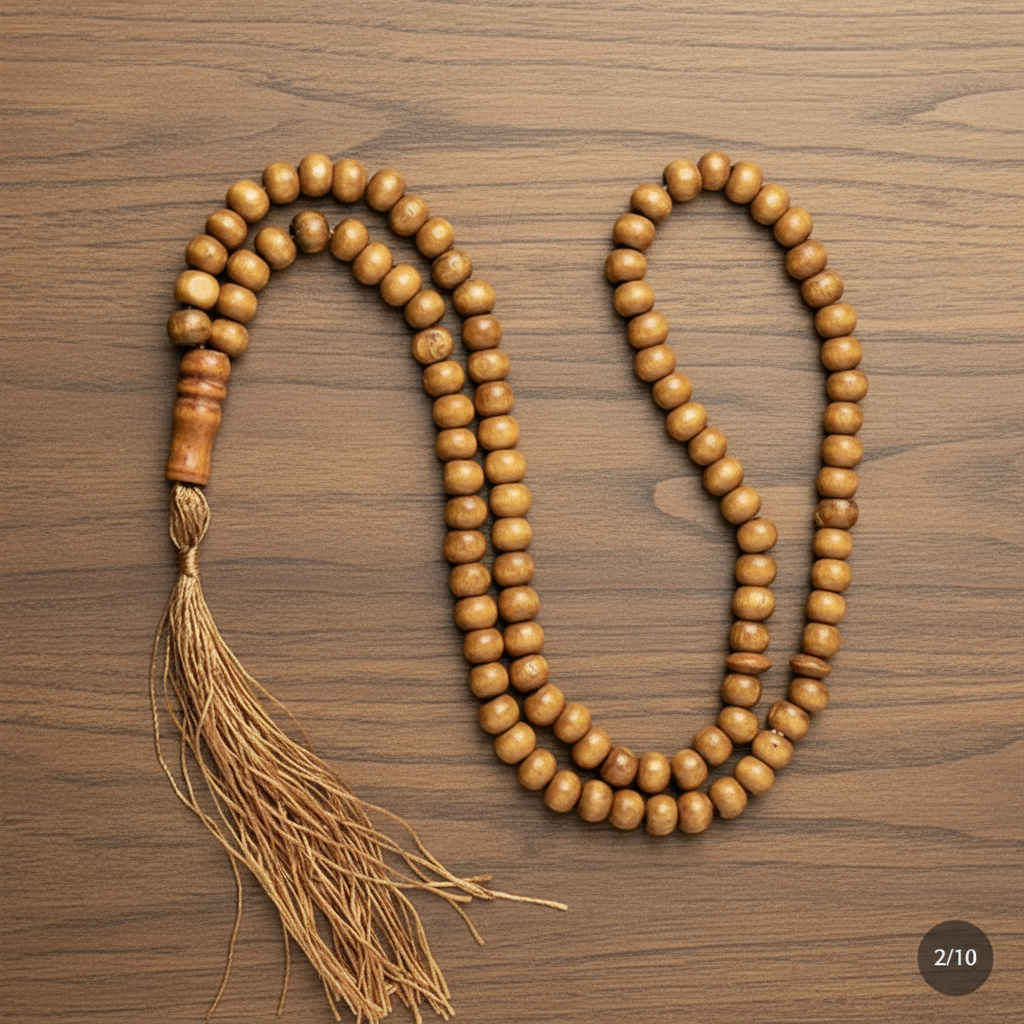
Prayer beads
Accompany your dhikr with prayer beads
Wooden bead prayer beads · Soft and natural to the touch
What to do if the child doesn’t feel well?
If your child has dizziness, headaches or severe fatigue, they should break the fast right away. Religion does not ask anyone to risk their health, quite the opposite. Tell them there is no shame in stopping, even if others continue.
If they feel unwell, follow these steps:
- Have them drink a little water and eat something light
- Reassure them: their health comes before everything
- Talk with them to understand what happened
- If the symptoms don’t go away, consult a healthcare professional
Ramadan is above all a time of spirituality and sharing, not a competition. A peaceful fast is better than a risky challenge, for everyone.
Exceptions and special cases of Ramadan for children
Sick or vulnerable children: what does religion say?
Islam provides very clear exceptions for vulnerable people, including children. If a child is sick, has a disability or a chronic illness, they do not have to fast, even after puberty, if it puts their health at risk. Health and well-being come first.
If in doubt, ask a doctor for advice. You can also consult an imam to be sure you respect both the child’s health and religious principles. A child should never be forced to fast if a healthcare professional advises against it.
Religion constantly reminds us of the importance of compassion and kindness. There is no fault in not fasting when health requires it. After all, a child full of energy is better than an exhausted faster!
Ramadan at school: how to handle it?
Sometimes, Ramadan falls during the school year, which can make things a little more complicated. The days are long, there’s sports or exams… Fasting can become a real challenge. The best thing to do is to talk to the school staff to adjust whatever can be adjusted.
A few ideas to help everything go smoothly at school:
- Let the teachers know about the situation
- Ask for accommodations if needed (rest room, adapted sports activities)
- Encourage your child to say so if they don’t feel well
- Pack a snack for iftar if they finish school late
What matters is listening and kindness, so that your child can experience Ramadan without stress. And if they ever forget they’re fasting and nibble on their snack, don’t panic: it happens even to the grown-ups!
Conclusion
Ramadan is a special time, but every child moves at their own pace. The religious obligation begins at puberty, but learning can happen gently, without pressure. Stay attentive, adapt to your child’s health and don’t hesitate to seek advice from professionals. The essential thing is to experience this time as a family, in serenity and with respect for everyone.
At Anaaz,we have selected for you prayer mat, outfits and Islamic items to accompany you in your daily practice. See the prayer mat | See the prayer outfits |See all Islamic items
FAQ
The Ramadan fast becomes obligatory at puberty, when the child has reached physical and mental maturity. Before that, there is no religious obligation. But many children start gently, often around 10 years old, depending on their desire and ability. What matters is to respect their pace and never force them.
Officially, Ramadan begins for children at puberty. In reality, though, many already want to take part before then, for a day or just a few hours, simply to get used to it. This introduction should always remain gradual and suited to each child’s health. Families often choose to start with small steps, depending on the child’s maturity.
For a girl, Ramadan becomes obligatory with the first signs of puberty, usually between 10 and 13 years old. The signs to watch for: the start of menstruation, breast development… Before that, there is no obligation, but nothing prevents a gentle introduction if she wants to and if everything is fine health-wise.
Fasting can be difficult for a child, especially if they are young, fragile or have special needs. It’s important to respect their pace, monitor their health and consult a professional if in doubt. Watch out for fatigue, dizziness and dehydration. Safety and well-being always come first.
If your child can’t tolerate fasting, they should stop right away. There is no shame in that: health comes first. Encourage them, reassure them, and remind them that what matters is the intention and the learning, not the performance. If in doubt, don’t hesitate to ask a healthcare professional for advice.