


Saying hello in Arabic most often means using the phrase “Salam Aleykoum”, literally “Peace be upon you”. This greeting crosses countries and cultures and is used throughout the Arab world, both spoken and written. Knowing how to pronounce it, write it and understand its meaning lets you communicate without making missteps and show respect, whatever the context.
In short:
- “Salam Aleykoum”: the standard phrase for saying hello in Arabic, meaning “Peace be upon you”.
- Arabic script: السلام عليكم; pronunciation: “As-salam alaykoum”.
- Expected reply: “Wa alaykoum salam” (“And peace be upon you too”).
- Variants depending on the country and the time of day (Morocco, Algeria, etc.).
How do you say hello in Arabic?
The most common way to greet someone in Arabic is “As-salam alaykoum” (السلام عليكم), meaning “Peace be upon you”. This phrase is used throughout the Arab world, both spoken and written, and is a respectful, universal greeting.
In practice, “Salam Aleykoum” suits every situation: family, friends, colleagues, strangers. It is often said with a smile, sometimes accompanied by a wave of the hand or a handshake depending on how close you are. For reunions or warmer moments, a hug can be added to the greeting.
A few tips for using this phrase well:
- Best for first meetings or in a formal setting.
- Just as appropriate in everyday life, among friends or family.
- In an Arabic-speaking country, even with a hesitant accent, this greeting will be well received.
- A calm tone, a smile and a direct gaze always make a good impression.
Keep in mind: “Salam Aleykoum” is not reserved for one religion or community. It is a mark of respect, used by millions of people, believers or not, to start a conversation on a cheerful note.
Origin and meaning of “Salam Aleykoum”
“Salam Aleykoum” comes from Classical Arabic and means exactly “Peace be upon you”. This very old phrase is part of the Islamic tradition but goes well beyond the religious sphere. It conveys a message of peace and goodwill, universal and timeless.
Over time, this greeting has become established as a symbol of hospitality and respect throughout the Arab world. It appears in ancient texts, but also in everyday exchanges, among people of all ages and backgrounds. Using “Salam Aleykoum” means joining a tradition that spans the centuries, while sending a positive signal to the person you’re speaking with.
How do you write it in literary Arabic?
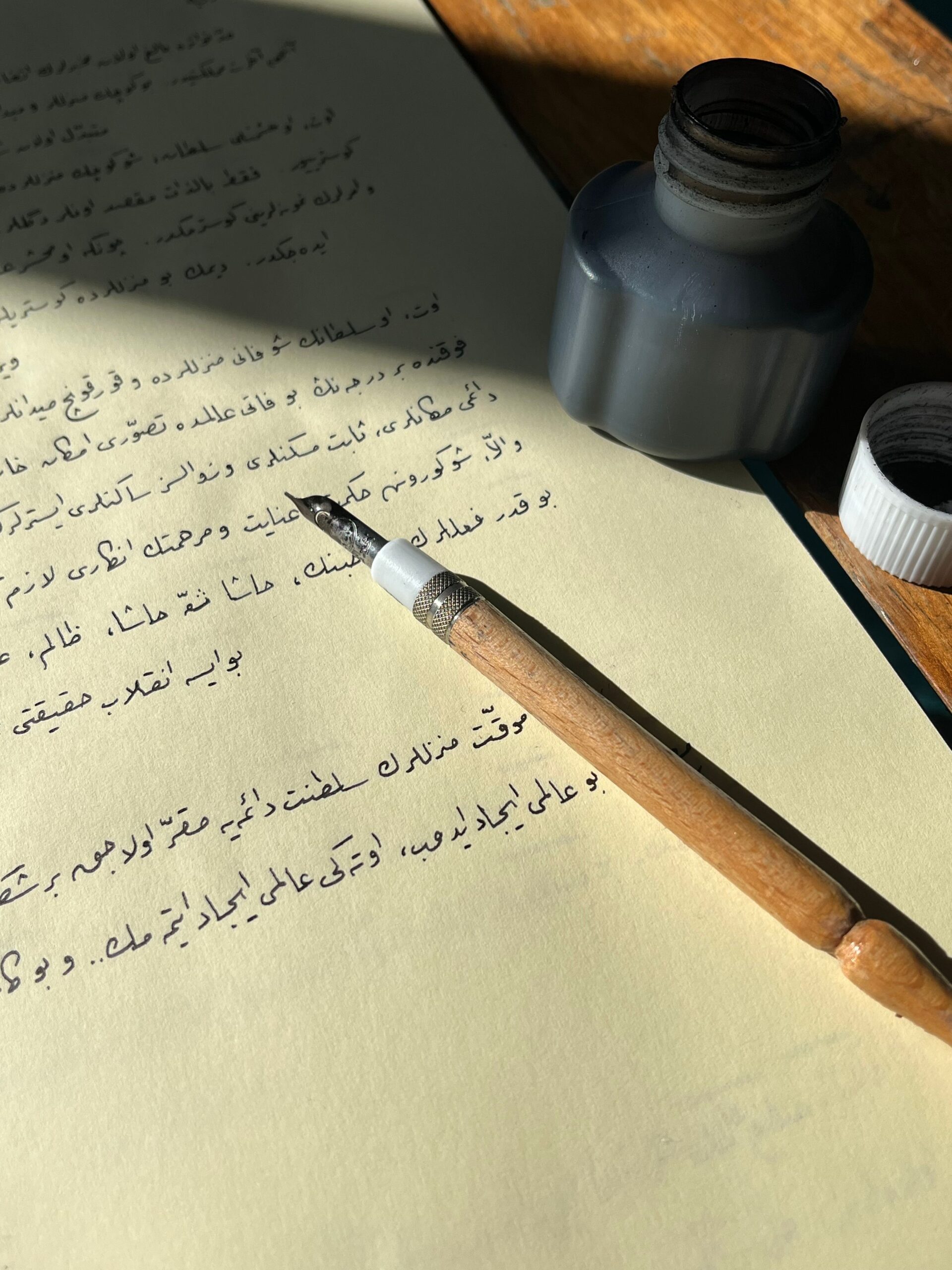
In literary Arabic, “Salam Aleykoum” is written: السلام عليكم. This spelling is universally accepted and found throughout the Arab world. In phonetic form, it is most often written “As-salam alaykoum”. The pronunciation varies slightly from region to region, but the phrase remains instantly recognizable.
If you’re starting out in Arabic, practicing writing this greeting is a good idea: it appears on signs, in messages and on cards. In writing, favor the Arabic alphabet, especially in an official or formal context. The phonetic version is handy for personal notes or for practicing pronunciation. Finally, Arabic calligraphy can give rise to artistic variations, but the message stays the same.
Other Arabic greetings
Beyond “Salam Aleykoum”, there are other phrases for greeting someone in Arabic:
- “Ahlan wa sahlan” (أهلاً وسهلاً): Welcome
- “Marhaban” (مرحبا): Hello, hi
- “Sabah al-khair” (صباح الخير): Good morning
- “Masa’ al-khair” (مساء الخير): Good evening
Each expression has its own context, but “Salam Aleykoum” remains the most versatile.
Changing your phrase depending on the situation shows that you are at ease and attentive to local culture. For example:
- “Ahlan wa sahlan” is used mainly to welcome someone into your home or at an event.
- “Marhaban” is more informal, ideal among friends or colleagues.
- Phrases tied to the time of day (“Sabah al-khair”, “Masa’ al-khair”) show that you are mindful of the context.
Varying your greetings is also a simple way to create a good atmosphere.
What is the reply to “Salam Aleykoum”?
The expected reply to “Salam Aleykoum” is “Wa alaykoum salam” (وَعَلَيْكُمُ السَّلَامُ), which means “And peace be upon you too”. This phrase shows reciprocity and respect in the exchange, whatever the setting.
Replying to “Salam Aleykoum” is not just a matter of politeness; it also strengthens the social bond and the desire to share this wish for peace. Whether between neighbors, colleagues or family members, a reply is always expected. A quick, smiling response can even ease tension or show your openness. (And between us, it’s the kind of detail that makes a difference in a conversation.)
Often, the reply comes with a wave of the hand, a nod of the head, or even a warm smile. In formal settings, the phrase is spoken with seriousness; in everyday life, it can be warmer. If you’re just starting out in Arabic, practice replying — it will be useful everywhere.
Reply in literary Arabic and phonetics
- Arabic script: وَعَلَيْكُمُ السَّلَامُ
- Phonetic transcription: “Wa alaykoum salam”
- Meaning: “And peace be upon you too”
This reply is simple and easy to learn, even for beginners.
To go further, there are also longer variants, but the short version is the most common. The pronunciation is accessible to everyone, and even with an accent, the effort is always appreciated. This reply is used both in speech and in written messages, in all exchanges with Arabic speakers.
Variants depending on the country or context
Depending on the region or the situation, the reply can be expanded:
- “Wa alaykoum salam wa rahmatullah” (And may the peace and mercy of God be upon you)
- “Wa alaykoum salam wa rahmatullahi wa barakatuh” (And may the peace, mercy, and blessings of God be upon you)
These variants are mostly used in religious contexts or during ceremonies, but they are understood everywhere.
In everyday life, the short version is more than enough. But on special occasions, at ceremonies, or in speeches, the long version is sometimes preferred to show even more respect. If you attend a formal meeting or a religious event, don’t hesitate to use the full phrase. Otherwise, in daily life, simplicity and naturalness are the rule.
Translation and writing of “Salam Aleykoum”
“Salam Aleykoum” is written in Arabic as: السلام عليكم. Word for word, it means “peace be upon you”. Phonetically, the most widespread version is “As-salam alaykoum”. This phrase is understood throughout the Arab world… and even beyond.
Its simplicity makes it a point of reference for anyone discovering the Arabic language. Whether you are in Morocco, Egypt, or Lebanon, “Salam Aleykoum” will be recognized and warmly received.
It is an easy-to-remember greeting, quick to use and suited to every situation. It lets you open a conversation or show respect at a first meeting. When traveling, using it helps create a good connection and shows your interest in the local culture. Even without speaking Arabic fluently, this phrase is sure to break the ice.
Comparison table of spellings and pronunciations
| Country / Region | Arabic script | Phonetic transcription | Local pronunciation (approximate) |
|---|---|---|---|
| Literary Arabic | السلام عليكم | As-salam alaykoum | [a-salaam alaykoum] |
| Morocco | السلام عليكم | Salam aleykoum | [salaam aleykoum] |
| Algeria | السلام عليكم | Salam aalikoum | [salaam aalikoum] |
| Tunisia | السلام عليكم | Essalem aleykom | [essalem aleykom] |
This table shows the small differences in pronunciation and transcription from country to country. These differences reflect the diversity of Arabic dialects, but the meaning always stays the same. Wherever you go, the greeting will be understood.
Use in everyday life
In daily life, “Salam Aleykoum” is used at any time: when arriving, when leaving, to approach someone or start a conversation, even with strangers.
Examples of use:
- When entering a store or an office, saying “Salam Aleykoum” immediately shows respect.
- During a phone call, starting with this phrase eases the atmosphere.
- On public transportation or in the street, it lets you approach someone politely.
- It can also be used to calm a group or to ease a discussion.
In short, “Salam Aleykoum” is an all-terrain social tool: simple, effective, and always appreciated.
Variants of hello in Arabic by country
From one country to another, the way of saying hello in Arabic can vary. In Morocco, Algeria or Tunisia, there are local versions, but “Salam Aleykoum” remains the reference everywhere. Depending on the context, other phrases are used for more casual or specific exchanges.
Each region has its own small particularities, often linked to the local dialect (darija, Maghrebi, etc.). This affects the pronunciation, the accent or the choice of phrase depending on the time of day or how close the people are.
These regional differences are a real cultural treasure. Sometimes the greeting will be shorter, warmer or more personalized depending on the relationship. Knowing a few variants helps you feel more at ease, whether traveling, at work or chatting with friends from different Arabic-speaking countries.
Hello in Moroccan Arabic
In Morocco, people say “Salam Aleykoum” in all contexts, but also “Sbâh el khir” (صباح الخير) in the morning. In a more relaxed setting, “Labas?” (how are you?) comes up very often.
Polite exchanges don’t stop there: after the greeting, asking about family or work is common. “Labas?” often follows “Salam Aleykoum” to show attention. In big cities, the short version “Salam” is sometimes used among close friends or young people. Adapting to these local customs also helps you win the goodwill of Moroccans.
Hello in Algerian Arabic
In Algeria, “Salam Aleykoum” remains the main phrase. You also hear “Sbâh el khir” or simply “Salam”, especially among young people or close friends. The nuances depend on the region or the level of formality.
Depending on the place, other phrases may come up, such as “Labas?” or “Kifach rak?” (how are you?). Algerians like to personalize the greeting depending on the context, sometimes adding friendly gestures or words of politeness. At work, the greeting stays fairly formal; among friends or family, it becomes much more relaxed.
Bulleted list of other regional variants
- Tunisia: “Essalem aleykom”, “Sbâh el khir”
- Egypt: “Salam Aleykoum”, “Sabah el kheir”
- Lebanon/Syria: “Marhaba”, “Sabah el kheir”
- Gulf countries: “Salam Aleykoum”, “Ahlan”
All of these variations are understood, but using them can signal how close you are to someone or how well you have adapted to the local culture.
Depending on the country, the greeting may be accompanied by a kiss on the cheek, a hug or a simple wave of the hand. Mastering a few of these variations means fitting in more easily and showing respect for the local culture. It is also a good chance to add a friendly touch to your conversations (and sometimes, it breaks the ice from the very first sentence).
Other Common Arabic Greetings and Phrases
In addition to “Salam Aleykoum”, there are other greetings such as “Sabah al-khair” (good morning) and “Masa’ al-khair” (good evening). These phrases are used depending on the time of day or the level of familiarity.
Knowing how to vary your greetings means adapting to the context and showing a certain ease with the language.
It is common to combine several phrases, for example by starting with “Salam Aleykoum” and then adding “Sabah al-khair” in the morning. This shows your attentiveness and your care for detail. Depending on the relationship, you can choose a more or less formal phrase. Young people often opt for shorter versions, while elders prefer the traditional phrases.
Greetings by Time of Day
| Time of day | Arabic phrase | Phonetic transcription | English translation |
|---|---|---|---|
| Morning | صباح الخير | Sabah al-khair | Good morning |
| Morning (reply) | صباح النور | Sabah an-nour | Good morning (reply) |
| Evening | مساء الخير | Masa’ al-khair | Good evening |
| Evening (reply) | مساء النور | Masa’ an-nour | Good evening (reply) |
These greetings are widely used in everyday life, in stores, on public transportation or when meeting people. The reply (“Sabah an-nour” or “Masa’ an-nour”) shows that you know the local rules of politeness. Using these phrases is also a way of respecting everyone’s customs.
Phrases for saying goodbye (farewell, good night)
- “Ma’a salama” (مع السلامة): Goodbye
- “Ila al-liqaa” (إلى اللقاء): See you soon
- “Tusbih ‘ala khair” (تصبح على خير): Good night (lit. “May you spend a good night”)
- “Fi amanillah” (في أمان الله): Under God’s protection (used when parting)
These phrases are used to say goodbye, depending on the time or the context.
You choose the phrase according to the time of day or your relationship with the person. “Tusbih ‘ala khair” is often addressed to family or close friends, while “Ma’a salama” suits everyone. “Fi amanillah” adds a spiritual and caring touch, appreciated in some circles. Varying these phrases personalizes your farewells and leaves a good impression.
Conclusion
“Salam Aleykoum” is the universal greeting in Arabic, a symbol of peace and respect. It is written السلام عليكم, pronounced “As-salam alaykoum” and used throughout the Arab world. The expected reply is “Wa alaykoum salam”. Depending on the region or the time of day, other greetings exist, but “Salam Aleykoum” remains the foundation for greeting with courtesy and kindness.
FAQ
The classic reply is “Wa alaykoum salam”, which means “And peace be upon you too”. It is the expected greeting throughout the Arab world.
“Salam Aleykoum” is written in Arabic as السلام عليكم. Phonetically, it is pronounced “As-salam alaykoum”.
In Morocco, people use “Salam Aleykoum” but also “Good morning” to greet someone in the morning. Both phrases are common and widely understood.
“Salam” simply means “peace”, whereas “Salam Aleykoum” is a complete greeting meaning “May peace be upon you”.
“Salam Aleykoum” is mainly used to say hello, but depending on the context, it is sometimes used to take one’s leave as well. That said, other phrases are more common for saying goodbye.
Leave a Reply