


Today, between 49 and 57 countries are considered “Muslim” around the world. It all depends on whether you look at the proportion of Muslims in the population or rely on the official list of the Organization of Islamic Cooperation (OIC). Most of these countries are located in Asia and Africa. Indonesia, Pakistan, India and Bangladesh alone account for more than 40% of the world’s Muslims.
In brief
- Between 49 and 57 countries are considered Muslim depending on the criteria used.
- 57 states are members of the Organization of Islamic Cooperation (OIC).
- Most Muslim countries are located in Asia and Africa.
- Indonesia, Pakistan, India and Bangladesh have the largest number of Muslims.
Number of Muslim countries in the world
There are between 49 and 57 Muslim countries in the world, depending on how this status is defined. There are 49 countries where the majority of the population is Muslim, and 57 official members of the Organization of Islamic Cooperation (OIC).
Why this difference? It all depends on the criterion chosen. If you look only at the proportion of Muslims in the population, only countries where more than half of the inhabitants practice Islam are included. But the OIC list is broader: it also includes countries where Islam is not the majority religion, but which joined the organization for political, economic or historical reasons. Conversely, some countries with a significant Muslim minority are not part of the OIC, sometimes by political or cultural choice. There are also territories or entities that claim a Muslim identity without being recognized as independent states, which can make the lists vary depending on the source.
Difference between Muslim-majority countries and OIC member countries
A Muslim-majority country is simple: more than half of the population practices Islam. OIC members, on the other hand, have joined this organization, regardless of the proportion of Muslims in their population.
This is a key point to avoid confusion:
- Some OIC members, such as Benin or Gabon, do not have a Muslim majority. Their membership is explained by history, politics or the desire to strengthen ties with other Muslim countries.
- Other countries, with large Muslim communities, are not OIC members, either by choice or because they do not wish to identify institutionally as “Muslim countries.”
To sum up:
- OIC membership is a voluntary step, often linked to geopolitics.
- Religious majority is a matter of numbers and demographics.
- Some OIC members are very diverse in terms of religion.
- Countries with large Muslim minorities may remain outside the OIC.
In short, the notion of a “Muslim country” changes depending on whether you look at demographics or membership in an international organization.
Evolution of the number of Muslim countries over time
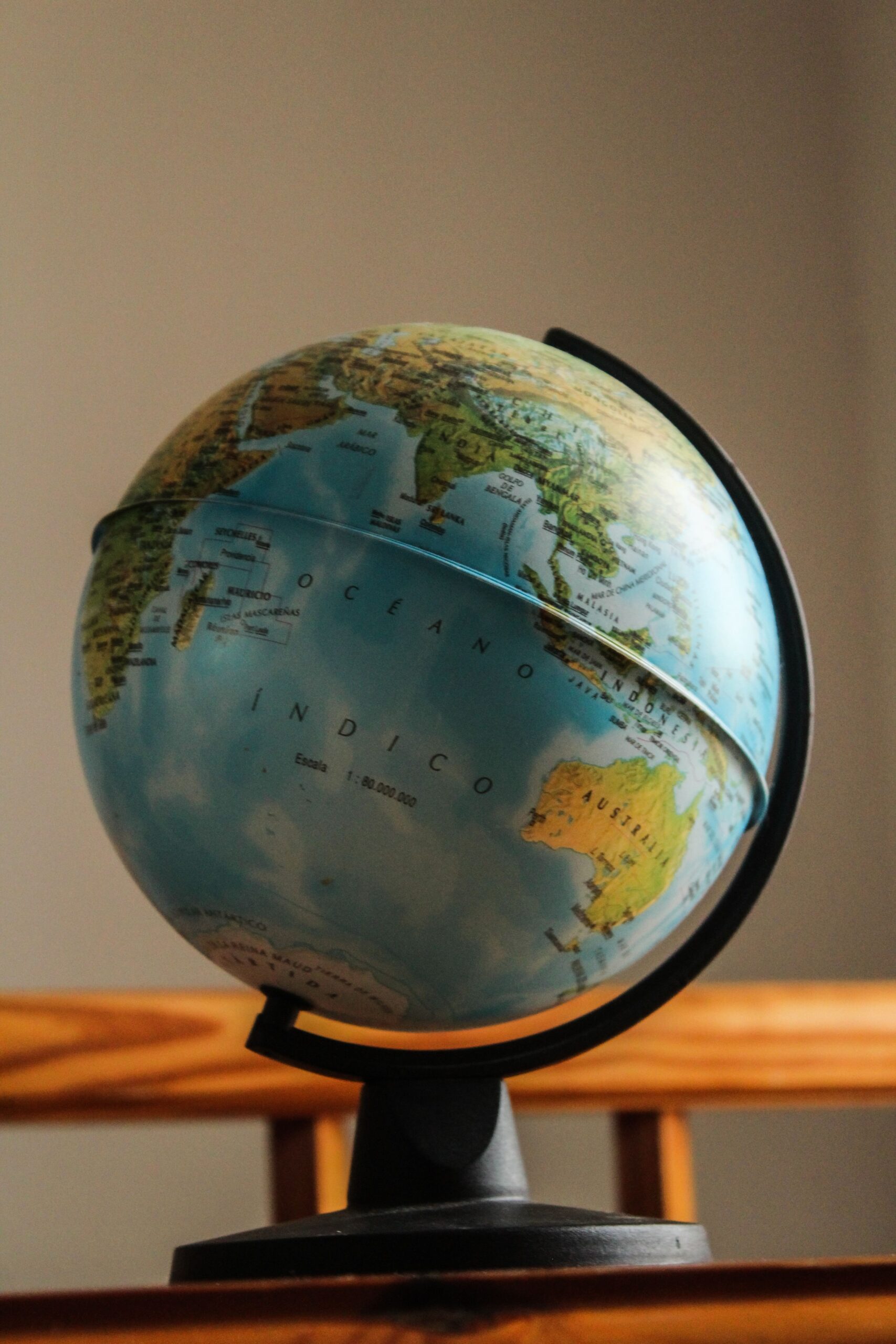
The number of Muslim countries has not always been the same. It has evolved with independence movements, border changes and the creation of new states, especially in the 20th century. The OIC, founded in 1969, originally had fewer members, then grew over time.
Over the decades, new countries have emerged, often following independence movements or political upheavals. Some sub-Saharan African countries, for example, joined the OIC well after its creation, as their Muslim identity asserted itself or as their leaders sought to build ties with the rest of the Muslim world.
This movement can be explained by several factors:
- The creation of new states following conflicts or international agreements.
- Regime changes that influence the place of religion in society.
- A gradual broadening of the OIC’s membership criteria.
The map of the Muslim world is therefore not fixed. It continues to evolve with political, social and demographic changes.
List of Muslim countries in the world
The list of Muslim countries can vary, but the OIC officially brings together 57 member states. Here is the list, organized by continent:
| Continent | OIC member countries |
|---|---|
| Africa | Algeria, Benin, Burkina Faso, Cameroon, Comoros, Ivory Coast, Djibouti, Egypt, Gabon, Gambia, Guinea, Guinea-Bissau, Libya, Mali, Mauritania, Morocco, Mozambique, Niger, Nigeria, Uganda, Senegal, Sierra Leone, Somalia, Sudan, Chad, Togo, Tunisia |
| Asia | Afghanistan, Azerbaijan, Bahrain, Bangladesh, Brunei, Indonesia, Iran, Iraq, Jordan, Kazakhstan, Kyrgyzstan, Kuwait, Lebanon, Malaysia, Maldives, Oman, Uzbekistan, Pakistan, Palestine, Qatar, Saudi Arabia, Syria, Tajikistan, Turkey, Turkmenistan, United Arab Emirates, Yemen |
| Europe | Albania |
| Americas | Guyana, Suriname |
| Middle East | (included in Asia for the OIC, see above) |
In this list, you will find:
- Countries where almost the entire population is Muslim.
- Others, where religious diversity is very much present.
The diversity of OIC members can be seen in their history, their culture and their political organization. For example:
- Indonesia and Turkey are Muslim-majority republics, but secular.
- Saudi Arabia is a monarchy where Islam structures public life.
- In Africa, Senegal and Mali are overwhelmingly Muslim, whereas Cameroon and Ivory Coast have great religious diversity.
Also worth noting:
- Some members are islands (Maldives, Comoros).
- West Africa and Central Asia are strongly represented.
- A few countries are small but with a strong cultural or religious influence.
In short, the list of Muslim countries is anything but uniform: each country has its own history, its own context and its own way of living Islam.
100% Muslim countries: myth or reality?
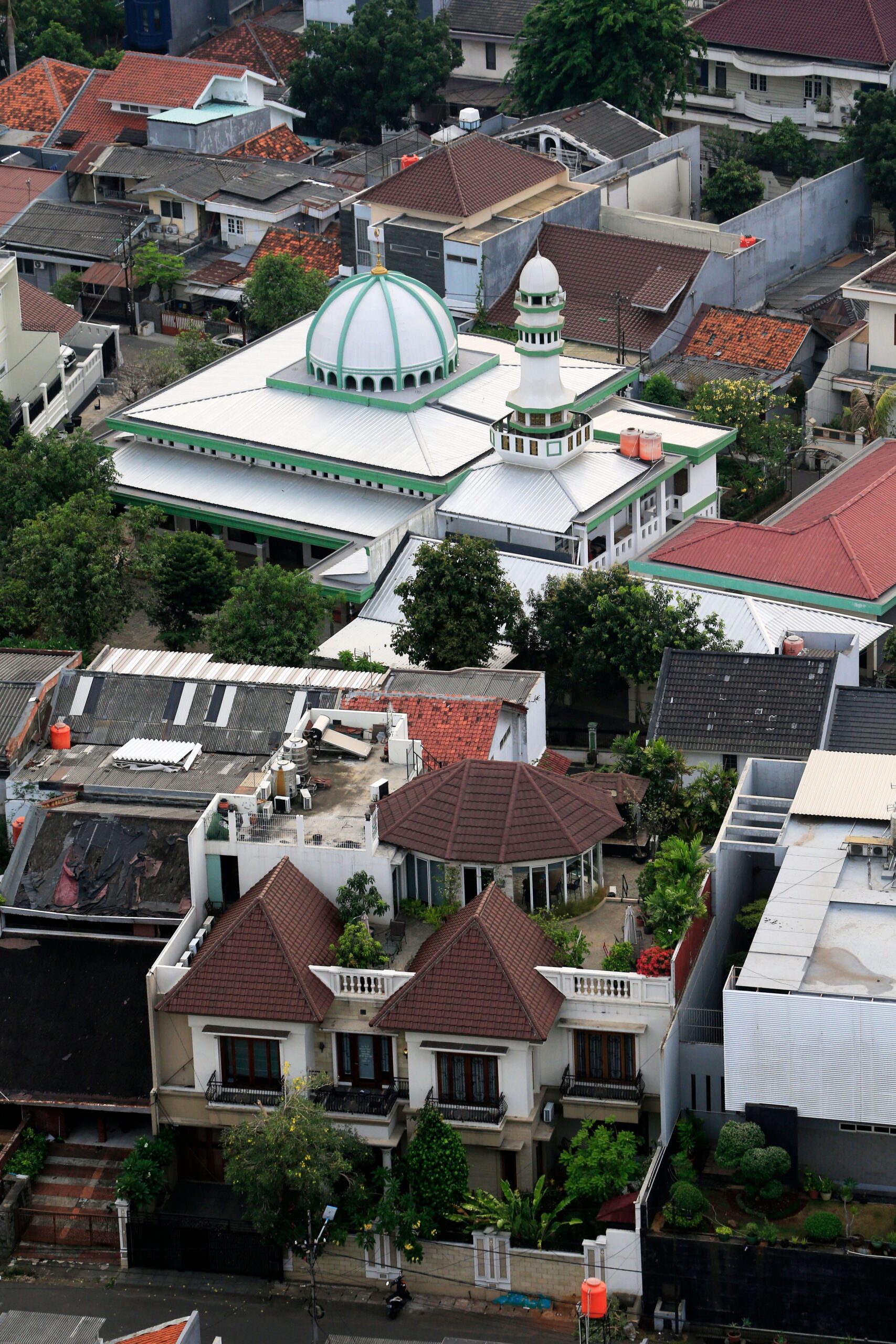
No country is 100% Muslim. Even where Islam is the state religion and overwhelmingly predominant, there are always religious minorities or people with no official religion.
Statistics can give the impression of total unity, but there are always exceptions. For example, Saudi Arabia, the Maldives or Mauritania report more than 95% Muslims, but there are still foreign workers, minorities or people with no declared religion.
Keep in mind:
- Religious censuses are not always accurate.
- Religious freedom varies, which influences the figures.
- Even in very homogeneous societies, there is always a little diversity.
In short, the idea of a “100% Muslim country” is more of a myth: there is always some diversity, even if it is discreet.
Distribution of Muslims by country and population
Most Muslim countries are located in Asia and Africa, with very different populations. Indonesia, Pakistan, India and Bangladesh alone account for more than 40% of the world’s Muslims.
This concentration is explained by demographics: these regions are experiencing strong growth and Islam has been present there for a long time. Contrary to what one might think, most Muslims do not live in the Middle East. South Asia and Southeast Asia are the demographic heart of the Muslim world, and Africa is also experiencing real momentum.
Here are the countries with the most Muslims:
| Rank | Country | Estimated Muslim population (descending order) |
|---|---|---|
| 1 | Indonesia | Very high |
| 2 | Pakistan | Very high |
| 3 | India | Very high |
| 4 | Bangladesh | Very high |
| 5 | Nigeria | Significant |
| 6 | Egypt | Significant |
| 7 | Iran | Significant |
| 8 | Turkey | Significant |
| 9 | Algeria | Significant |
| 10 | Sudan | Significant |
This ranking shows just how dispersed and varied the Muslim population is.
One striking detail: India does not have a Muslim majority, but it has one of the largest Muslim populations in the world. In Nigeria, several religions coexist. This diversity is also found in the practices, cultures and languages of the different Muslim communities.
Arab countries vs. Muslim countries: what are the differences?
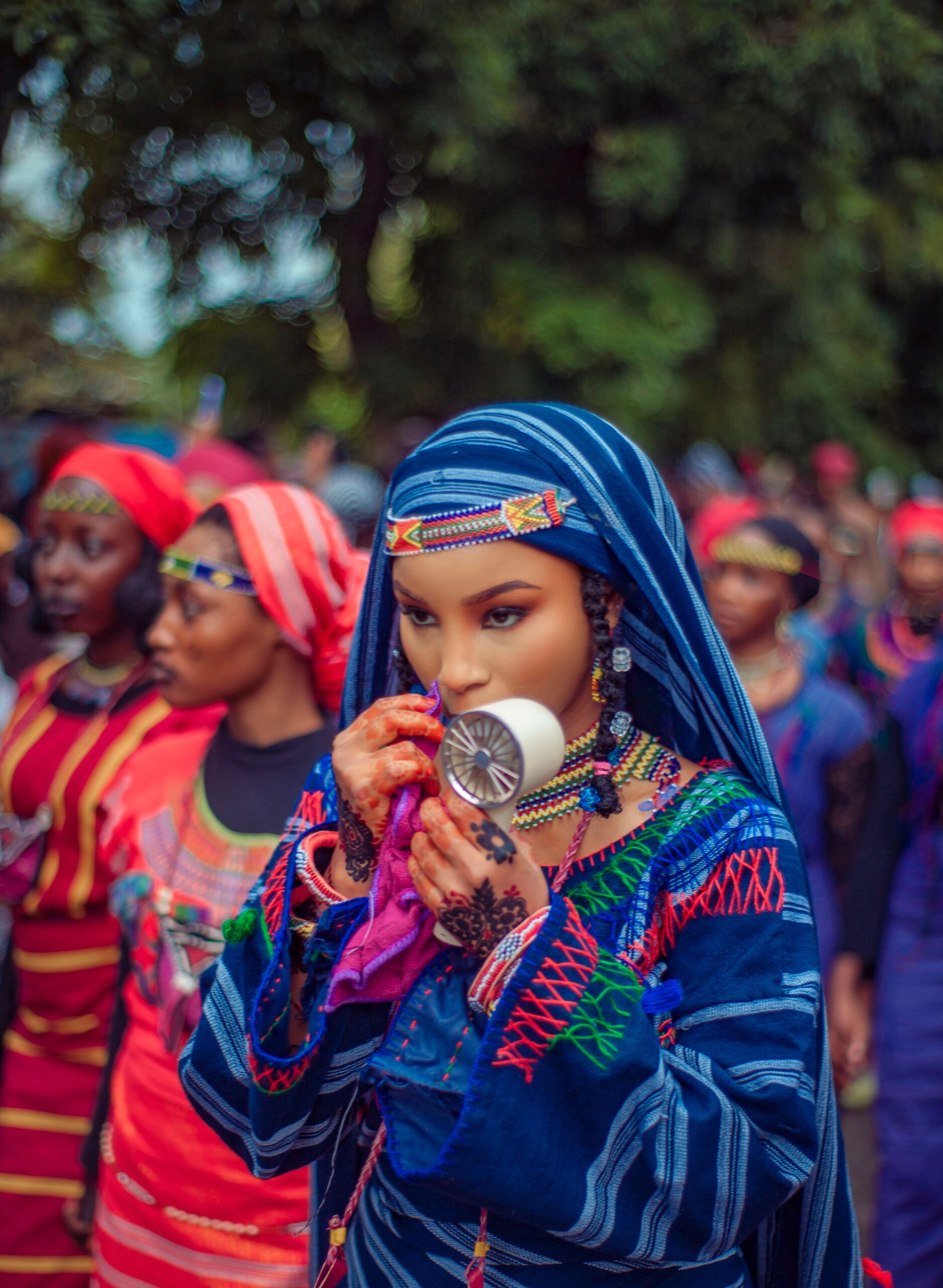
An Arab country is above all a matter of language and culture. A Muslim country is a matter of religious majority. All Arab countries belong to the Arab League, but some Muslim countries do not have Arabic as their main language.
This is important to understand:
- Indonesia, Pakistan or Turkey are Muslim countries, not Arab ones.
- Lebanon or Syria are both Arab and Muslim.
- Some Arab countries, such as Lebanon, also have large Christian minorities.
To get a clear picture:
- Arab country: official or dominant language = Arabic; member of the Arab League.
- Muslim country: the majority practices Islam, whatever the language.
- Some are both, others just one or the other.
In the end, you shouldn’t mix up religious, linguistic and cultural identity. It avoids a lot of shortcuts… and a few headaches.
Conclusion
Depending on the criteria used, there are between 49 and 57 Muslim countries in the world. Most are concentrated in Asia and Africa, and Indonesia, Pakistan, India and Bangladesh account for the largest share of the world’s Muslim population. But behind these figures lies a very strong cultural, linguistic and religious diversity – far from the idea of a uniform Muslim world.
FAQ
The 57 Muslim countries are the member states of the Organisation of Islamic Cooperation (OIC). This list includes countries from Asia, Africa, the Middle East and even Europe, such as Albania.
There is no country where 100% of the population is Muslim. Some, such as Saudi Arabia or the Maldives, have a very large Muslim majority (often more than 95%), but never total unanimity.
A Muslim country is defined by the fact that the majority of its population practices Islam. For an Arab country, what matters most is the Arabic language and culture. Not all Arab countries are Muslim, and not all Muslim countries are Arab.
Indonesia comes first with about 230 million Muslims, followed by Pakistan, India and Bangladesh.
In 2024, it is estimated that there are about 2 billion Muslims in the world, or nearly a quarter of the world’s population.
Leave a Reply