


Wearing a headscarf in sports in France comes down to internal regulations. Each sports federation sets its own rules: some accept the headscarf, others don’t, especially in competition. To play without any trouble, you need to understand the law, the differences between sports, and know what options are available if you are turned down.
In brief
- French law does not explicitly ban the headscarf in sports: each federation decides.
- Some sports allow it, others prohibit it, especially in official competition.
- Rights and remedies exist if a club or association refuses a registration because of the headscarf.
- The debate mixes religious freedom, secularism, safety and equality in sports.
What does the law say about wearing a headscarf in sports in France?
In France, there is no law that directly prohibits wearing the headscarf in sports: each sports federation sets its own rules. Some federations ban the headscarf in competition, others allow it, which can make the situation complicated for the athletes concerned.
In practice, everything therefore depends on the internal regulations: the French Football Federation (FFF) prohibits conspicuous religious symbols such as the headscarf during official competitions, while handball and judo allow it under certain conditions. The result: each discipline has its own logic, and sometimes the rules change according to international decisions or social debates.
To find your way around, you really need to consult the federation’s regulations for the sport in question. The texts sometimes change from one season to the next, or depending on the level (local, national, international). To avoid unpleasant surprises, the best thing is to check the federation’s official website or ask a club coach or staff member for advice.
Day to day, this means paying attention to changing rules. One thing to watch: there can be big gaps between training and competition. Taking the time to find out can save you problems on the big day.
What is the position of the main sports federations?
The major French sports federations do not all take the same position on wearing the headscarf: some strictly ban it in competition, others are more open, and some tolerate the headscarf during training.
- Football (FFF): headscarf prohibited during official matches.
- FIFA: headscarf allowed since 2014, but the FFF does not follow this rule.
- Handball: headscarf allowed by both the French and international federations.
- Judo: headscarf accepted if safety is ensured.
- Basketball: headscarf prohibited in official competition.
The consequence? You can sometimes wear the headscarf during training but not in competition, or the other way around, depending on the federation.
To get a clearer picture, it’s best to consult the official regulations online. Some federations also publish practical guides for clubs and license holders. Positions sometimes change with the news or court decisions. When in doubt, asking a club manager or the federation is the safest option. And if you compare with other countries, you’ll see that France is often stricter than others.
What are the differences between national laws and international regulations?
In France, the law does not oppose wearing the headscarf in sports, but each federation can adopt rules that are stricter than those of international bodies.
Take football: FIFA allows the headscarf in international competitions, but the FFF in France continues to ban it. The result: an athlete can play veiled abroad, but not on a French field. Other federations, on the contrary, follow international recommendations, which makes the sport simpler and more consistent.
In short, French law remains neutral, but each federation can be more or less strict than the international rule, hence the differences that are sometimes hard to keep track of.
This gap raises very concrete questions: an athlete may have to change outfits depending on where she competes. It is also a headache for preparation, and for clubs, which need to keep their members properly informed. This contrast fuels the public debate and sometimes leads to calls for clearer and fairer rules.
Comparison table of rules by sport
| Sport | French federation | International federation | Headscarf allowed in competition? |
|---|---|---|---|
| Football | No | Yes (FIFA) | No in France, Yes internationally |
| Handball | Yes | Yes | Yes |
| Basketball | No | Yes (FIBA) | No in France, Yes internationally |
| Judo | Yes (under conditions) | Yes | Yes (under conditions) |
| Athletics | Yes | Yes | Yes |
| Swimming | No (for a covering hijab) | Varies | No for a covering hijab |
This table shows how much the rules can change depending on the sport or the level of competition. Before registering or taking part in an event, it’s best to take a look at the regulations to avoid unpleasant surprises. The differences often stem from criteria of safety, uniformity or neutrality. If needed, talking with the people in charge of the sport concerned can help you get a clear, up-to-date answer.
-
Bestseller

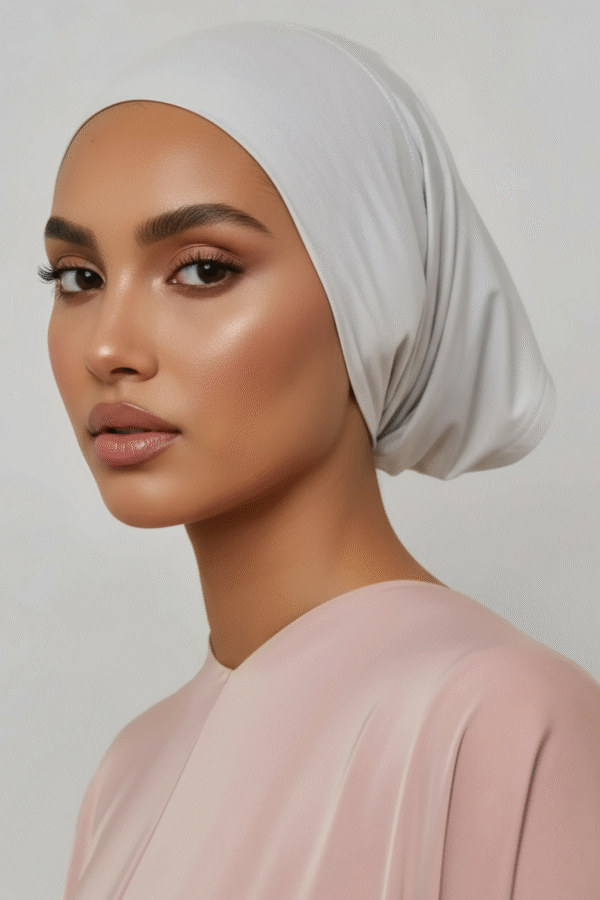
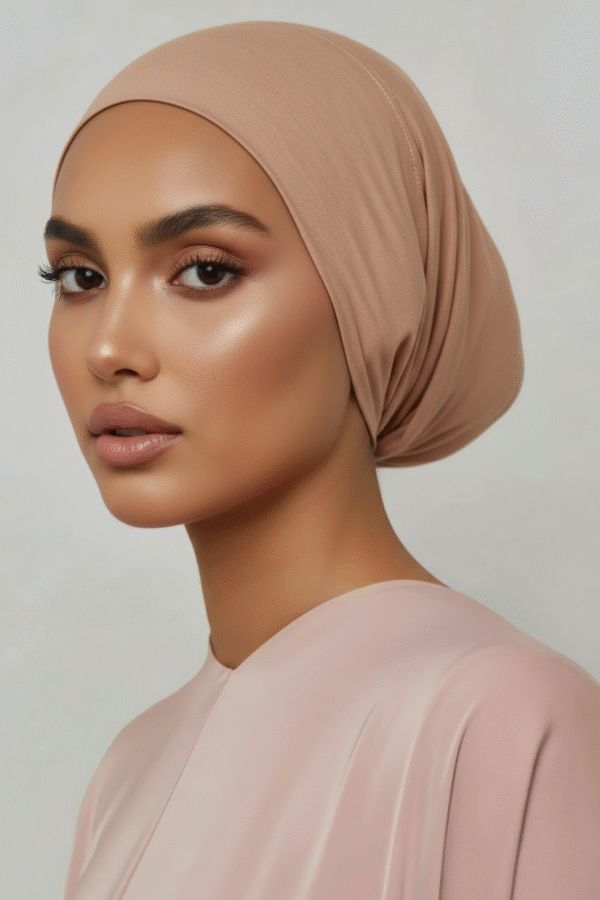
Soft Cotton Hijab Underscarf
7,20 €Select options This product has multiple variants. The options may be chosen on the product page -
Bestseller
Hijab Underscarf – Soft and Lightweight
4,80 €Select options This product has multiple variants. The options may be chosen on the product page -

Hijab Ninja Prêt-à-Enfiler – Couleur Noir – Léger, Extensible et Facile à Porter
10,80 €Add to cart


In which sports is wearing the headscarf allowed or prohibited?
Wearing the headscarf is accepted in some sports such as handball or judo, but prohibited in others, such as football or basketball, depending on the federations’ regulations. To avoid misunderstandings, you need to check the rules specific to each discipline.
Each sport follows its own rules, often inspired by the national or international federation. Some sports are fairly open and allow the headscarf in training as well as in competition, while others are stricter, especially for reasons of safety or neutrality.
There is often a difference between what is allowed during training (where the rules are sometimes more flexible) and in official competition, where checks are stricter.
To find your way around more easily, remember to:
- Read the federation rules for your sport.
- Ask the coach or a club manager for advice.
- Distinguish between recreational practice and official competition.
- Stay informed about recent changes, as rules can change quickly.
This vigilance helps you move forward with peace of mind, without any bad surprises.
List of sports that allow the veil
- Handball (allowed by the French and international federations)
- Judo (accepted under safety conditions)
- Athletics (allowed in France and internationally)
- Tennis (generally no specific ban)
- Fencing (possible, if the veil does not pose a safety problem)
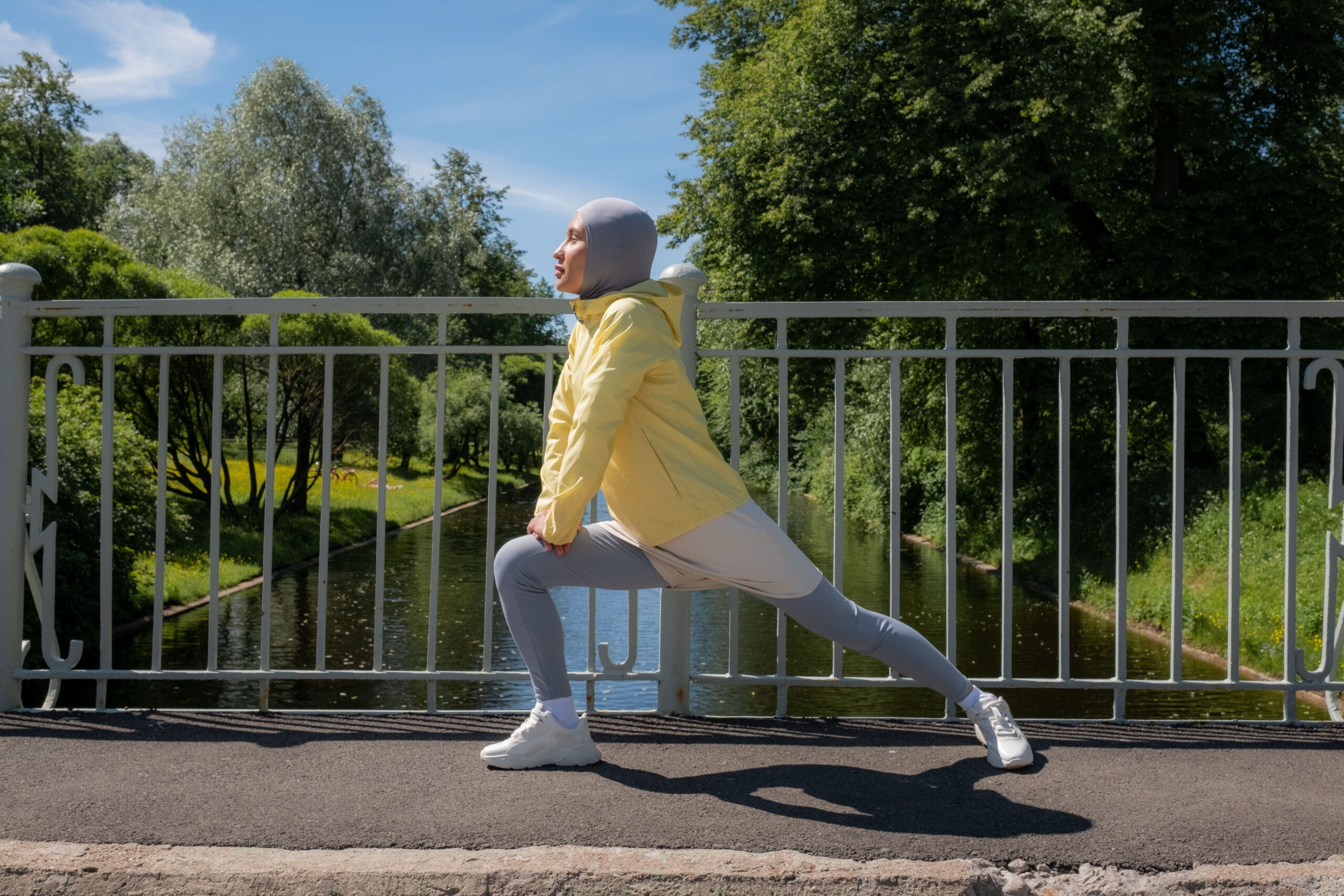
- Unregulated individual sports (running, fitness, etc.)
In these sports, the veil is accepted, especially if the outfit meets safety requirements and does not hinder either the athlete or others. Individual sports, such as running or fitness, often offer more freedom because they are less regulated than team sports. In judo or fencing, the veil must be well fitted so as not to restrict movement. Some federations even give recommendations on the type of veil to wear, to ensure everyone’s safety.
List of sports that ban the veil
- Soccer (FFF, in official competition)
- Basketball (FFBB, in official competition)
- Swimming (banned for full-coverage hijabs in competition)
- Rugby (in certain official competitions)
- Certain combat sports (depending on safety regulations)
In these sports, the ban often aims to ensure uniform outfits, the neutrality of the sports space or safety. In swimming, for example, full-coverage hijabs are sometimes seen as incompatible with safety or hygiene rules. In rugby or in certain combat sports, any accessory that could catch or get in the way is banned. Always check the rules, and ask for written confirmation if in doubt, it’s safer.
Special cases: training vs. competition
In many clubs, wearing the veil is tolerated during training, but banned in official competition. Clubs may be flexible during training, but they strictly apply the federation rules in competition.
- During training: frequent tolerance, unless internal rules say otherwise.
- In competition: strict application of the federation’s rules, with possible checks before each event.
It is therefore important to ask the club or the federation what is really allowed in each situation.
This difference can be surprising: an athlete can train all year wearing a veil, but be denied access to competition. To avoid this, it’s best to ask the question from the start. Some clubs inform their members in advance or organize meetings with the federation to clarify things. When in doubt, asking one question too many is better than being left on the sidelines on competition day!
What are your rights and options if a club or competition refuses to allow you to wear the veil?
If a club or competition refuses to allow the wearing of the veil, you can request a written explanation, contact the relevant federation or reach out to rights advocacy organizations. The available options depend on the context and the reason for the refusal.
When an athlete is denied access to an activity because of her veil, there are several steps to follow. First, request a written justification for the refusal. Then, contact the sports federation to get an official clarification. If the problem persists, specialized organizations can support you through the process.
In some cases, legal action is possible, particularly if the discrimination is clear. The Defender of Rights can then be asked to examine the situation.
Keep in mind:
- Keep all written exchanges with the club or federation.
- Look for precedents in the same discipline or in other clubs.
- Get in touch with other athletes who have experienced the same situation to benefit from their experience.
- Read the official texts (statutes, regulations, charters) to know your rights precisely.
Even if the process may seem long, it often helps clarify the situation and, sometimes, change practices within clubs or federations.
What should you do if a club denies access because of the veil?
- Ask for a written justification of the refusal.
- Check the club’s rules and those of the relevant federation.
- Contact the federation for an official clarification.
- Reach out to rights advocacy organizations (e.g., Amnesty International, FSGT).
- Consider an appeal to the Defender of Rights or legal counsel.
It is important to act quickly to prevent the situation from dragging on. Rights advocacy organizations can help you write letters or point you to the right contacts. In case of conflict, dialogue is the first step, but do not hesitate to assert your rights if no solution is found. Sometimes, a simple written request is enough to unblock the situation or get a clear explanation.
What steps should you take with federations or legal bodies?
- Contact the sports federation by letter or email, explaining the situation.
- Request mediation or internal arbitration.
- If the response is unsatisfactory, contact a specialized organization or a lawyer.
- Refer the matter to the Defender of Rights to report discrimination.
Before going to court, it is often useful to try mediation, which can lead to a quick and cost-free solution. Federations sometimes have committees to handle this type of dispute. If mediation fails, turning to the Defender of Rights or a specialized lawyer may be necessary. Document your situation well: keep emails, letters and testimonials to support your claim.
Testimonials and concrete examples
Many female athletes share their experiences: some have been able to keep playing thanks to the help of associations or open clubs, while others have had to give up competing because of the regulations. Collectives like the “Hijabeuses” are mobilizing to defend the right of all women to play sports, whether they wear a veil or not.
These testimonials show the diversity of journeys. Some find solutions by changing discipline or club, while others get involved to push the boundaries. Social media and the media also play a key role in making these situations visible and raising awareness. A simple conversation with an athlete who has been through it can sometimes open up new perspectives or restore confidence.
What are the arguments and debates surrounding wearing the veil in sports?
The debate over wearing the veil in sports pits freedom of religion and expression against the neutrality and secularism of sports spaces. The discussions revolve around equality, non-discrimination, safety and cohesion within teams.
In France, the subject sparks strong reactions. Those who defend wearing the veil speak of religious freedom, inclusion and the fight against discrimination. Opponents emphasize the neutrality of sports, secularism, but also safety or the uniformity of outfits.
These debates result in media controversies, legal action and mobilizations by associations. The subject remains sensitive, and the rules evolve with federation decisions and changes in society.
The big questions that keep coming up:
- Should sport remain neutral or reflect the diversity of society?
- Do safety rules justify clothing restrictions?
- Should individual freedom take priority over group cohesion?
- How can we avoid stigmatization or exclusion?
Everyone has an opinion, but the subject remains hot and very present in public debate.
Arguments for allowing the veil
- Respect religious freedom and the right to expression.
- Promote inclusion and access to sport for all women.
- Fight discrimination and exclusion.
- Allow elite athletes to reconcile sport and personal convictions.
These arguments defend equal access to sport, regardless of religion or attire. Inclusion is seen as an asset for the sports world. Some point out that allowing the wearing of the veil encourages sports participation among women who might otherwise turn away from it. Being able to reconcile convictions and athletic performance is also a real plus for each woman’s personal fulfillment.
Arguments for banning the veil
- Maintain neutrality and secularism in the sports arena.
- Ensure safety (attire suited to the activity).
- Standardize outfits for fairness among participants.
- Avoid community pressure or proselytism.
Supporters of a ban point to the importance of a neutral setting, free of religious symbols. They also stress safety, especially in contact sports. Uniform outfits are also seen as a way to ensure fairness and team spirit. Finally, some fear that allowing the veil could lead to tensions or community-based demands.
Social and media consequences
- Frequent controversies in the media and on social networks.
- Mobilization of associations and groups to defend the right to sport for all.
- A feeling of exclusion or injustice among some athletes.
- Gradual evolution of attitudes and regulations, with situations that still vary greatly from sport to sport.
These debates have a real impact on society. Controversies can create tensions, but they also move attitudes forward. Associations play a driving role in defending rights and raising public awareness. Despite some progress, the feeling of exclusion remains strong among some athletes. But who knows? One day, the subject may be as calm as a locker room after the shower.
Conclusion
In France, the law does not prohibit wearing the veil in sports, but everything depends on the rules of each federation. Some sports allow it, others ban it, especially in competition. It is therefore crucial to find out about the rules of your discipline and to know your rights in case of refusal. The debate remains lively between individual freedom and neutrality, and the situation continues to evolve.
FAQ
In most private gyms, wearing a hijab is permitted, unless the internal rules include a restriction. It is best to check each gym’s own rules.
Yes, a club affiliated with a federation must follow the federation’s regulations, which may ban the hijab in certain disciplines, especially in official competition.
French law does not explicitly prohibit it, but sports federations can set their own rules, which are sometimes stricter than the law.
Ask for a written justification, contact the relevant federation and, if needed, turn to a rights advocacy organization or legal counsel.
In many sports, wearing a hijab is tolerated during training but prohibited in official competition, depending on the regulations of certain federations.
Leave a Reply