


Being in a state of ihram means entering a condition of purity and consecration that is required to perform the Hajj or the Umrah. It involves wearing a specific garment, forming a clear intention and following strict rules, thus marking the beginning of the sacred rite. This article explains simply what it means, how to enter it and what it involves in daily life.
In brief:
- The state of ihram is a spiritual and ritual condition that comes before the Hajj or the Umrah.
- It requires physical preparation, an intention (niyyah) and a specific garment.
- Several prohibitions apply during ihram, which differ for men and women.
- Observing ihram is essential for the validity of the pilgrimage.
Definition of the state of ihram in Islam
The state of ihram, in Islam, corresponds to a consecration that must be adopted before beginning the Hajj or the Umrah. It involves a clear intention, rules of purity and a special garment: it is the gateway into the sacred rite.
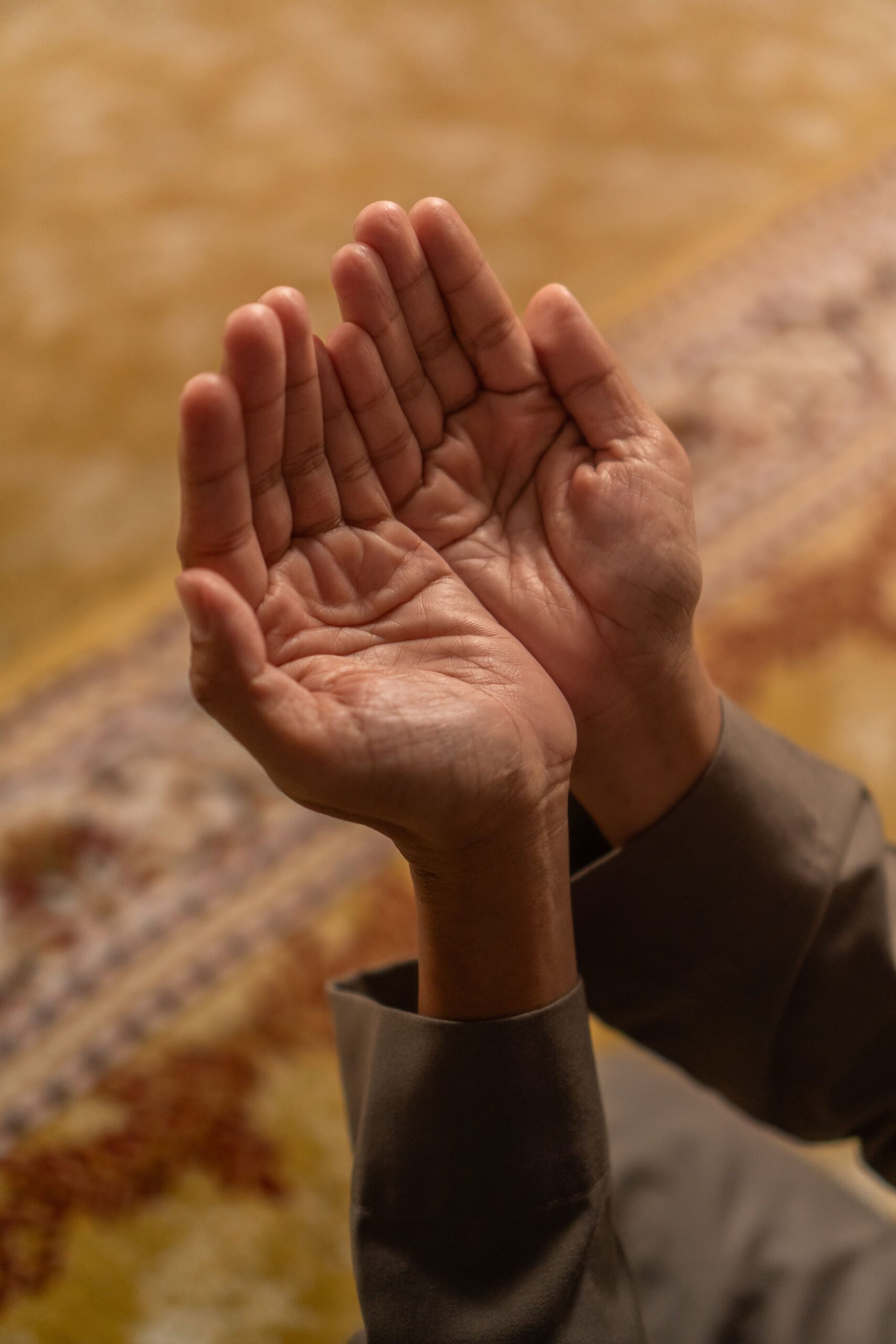
More than a simple change of clothes, ihram turns every everyday gesture into an act of worship. It encourages introspection and humility, and reminds us that all pilgrims are equal before God. Regardless of origin or status, the garment erases differences and refocuses everyone on the shared experience. In this state, every detail of behavior matters: speech, actions, thoughts. Ihram is not just a set of regulations, it is a state of mind that prepares you to fully experience this unique moment, away from your usual concerns.
Origin and meaning of the word ihram
“Ihram” comes from the Arabic root “harama,” which means “to make sacred” or “to forbid.” The term refers both to entering a sacred state and to the set of prohibitions tied to that moment. It marks the beginning of the pilgrimage by putting certain everyday actions on hold.
This root highlights the importance of sacredness and respect in the rite. By entering ihram, the pilgrim willingly accepts a framework in which ordinary actions become forbidden, in order to preserve the spirituality of the moment. It is both a duty and a privilege, which gives more value to every everyday gesture once the pilgrimage is over.
Why enter the state of ihram?
Entering the state of ihram is an obligation in order to perform the Hajj or the Umrah. It prepares you for purification, refocuses you on what is essential and invites you to live an intense spiritual experience, while also reminding you of the equality of pilgrims and of detachment from material things.
Ihram marks the transition between everyday life and a time devoted to God. It helps you let go of distractions and prepare mentally for the pilgrimage. All participants share the same restrictions and the same rites, which strengthens unity and humility. Ihram embodies the collective dimension of Islam, where everyone steps aside before God.
When must you be in the state of ihram?
You must be in the state of ihram before crossing the miqat, the geographical boundary that marks the start of the Hajj or the Umrah. Entering ihram therefore takes place just before entering the sacred zone of Mecca.
Respecting this timing is crucial: crossing the miqat without being in ihram invalidates the rite. The miqats depend on where the pilgrim is coming from. This rule puts everyone on equal footing from the moment they enter the rite. It is therefore essential to identify your miqat and prepare for it in advance to avoid last-minute oversights.
The steps to enter the state of ihram
To enter the state of ihram, you must perform a purification (ablution), put on the ihram garment, state your intention, then recite the talbiyah. These steps are mandatory to validate your entry into this sacred state.
Entering ihram means following a precise ritual, which begins before you reach the sacred zone. It is not just a matter of clothing: it is a complete process, both physical and spiritual. Preparing seriously allows you to approach the pilgrimage with the right energy.
Taking the time to prepare also creates a pause to reflect on the importance of what is to come. Each step has its role: purification of the body prepares the purification of the heart, the garment is a reminder of simplicity, and the talbiyah expresses submission to God. This preparation helps you enter the rite with respect, and also avoid oversights or mistakes that could cause problems later.
Physical and spiritual preparations
Before entering ihram, it is recommended to:
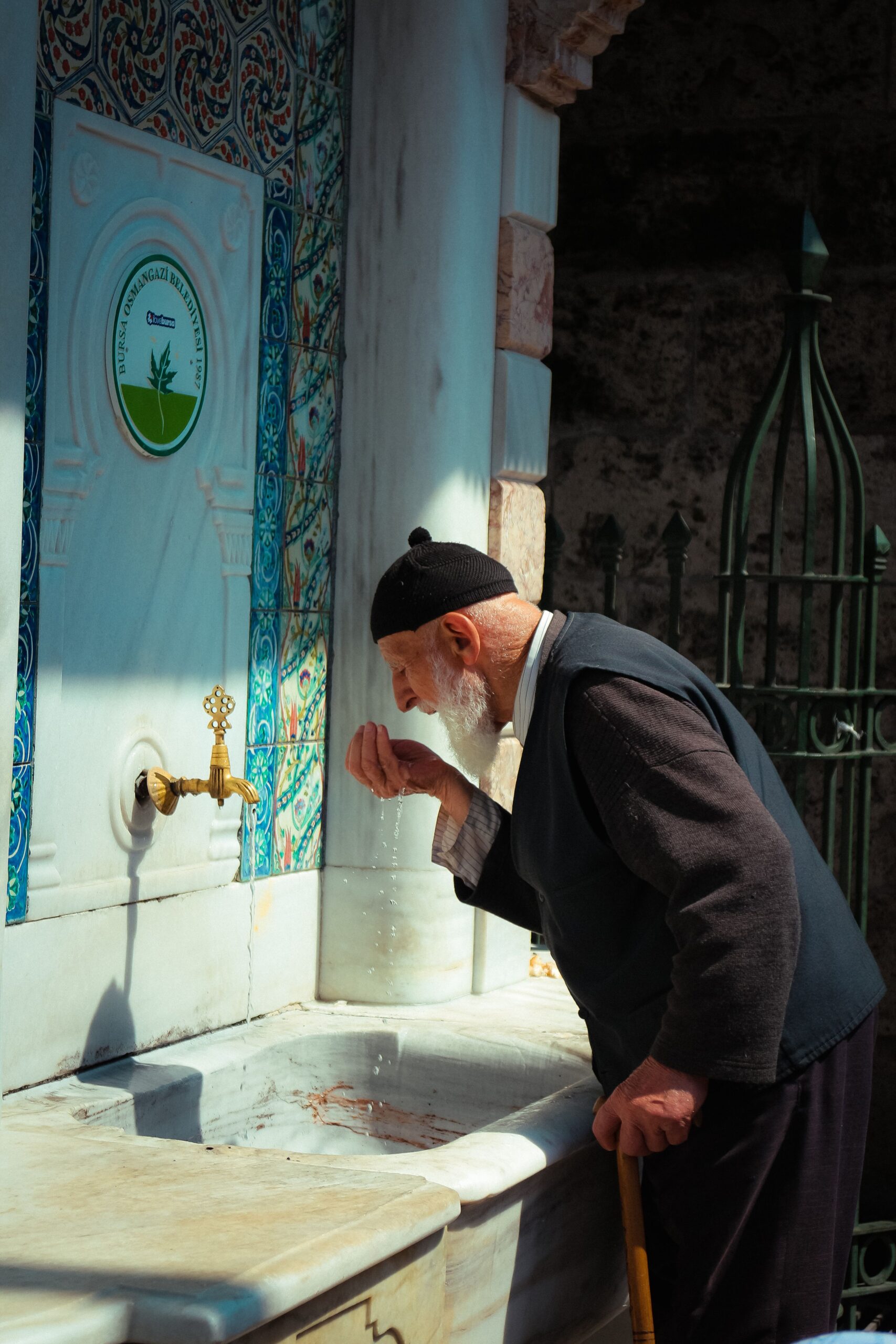
- Take a full ablution (ghusl) to purify yourself.
- Trim your nails, shave or remove excess hair (for men).
- Apply a light perfume (before putting on the ihram garment, never after).
- Wear the appropriate ihram garment.
On the spiritual side, it means focusing, setting aside everyday worries and preparing to experience a truly special moment.
These gestures are not trivial: they allow you to begin the pilgrimage in a state of cleanliness that is conducive to devotion. Perfuming the body before the garment recalls the importance of cleanliness in Islam, but it is forbidden once the garment is on. Taking a few minutes to meditate or read the Quran puts you in the best frame of mind. The goal: a clear intention, a calm mind, and the desire to draw closer to God.
Intentions (niyyah) and formulas to recite
The intention (niyyah) is the foundation: you must decide in your heart to enter the state of ihram for the Hajj or the Umrah. Then you must recite the talbiyah, which marks the start of the rite:
“Labbayka Allahumma labbayk, labbayka la sharika laka labbayk. Inna al-hamda wa-n-ni‘mata laka wa-l-mulk, la sharika lak.”
Men say it aloud, while women say it quietly.
The niyyah does not necessarily have to be said aloud, but it must be clear and sincere. This is what distinguishes a religious act from a simple journey. The talbiyah, on the other hand, is repeated regularly throughout the pilgrimage, recalling the commitment to God and creating a very powerful collective atmosphere. It is recommended to renew it often, especially during travel or at key moments.
Summary of the steps
- Perform a full ablution (ghusl)
- Trim your nails and shave (for men)
- Apply perfume (before putting on the garments)
- Put on the ihram garments
- Form the intention (niyyah) in your heart
- Recite the talbiyah
Keep this list handy so you don’t forget anything when entering ihram. Prepare everything you need in advance: towel, nail clippers, perfume, ihram garments… One last check before the miqat, and you’re all set.
What is the ihram garment?
The ihram garment differs by gender: two unstitched white cloths for men, loose, modest clothing for women. It symbolizes simplicity and equality among all pilgrims.
It is not just a uniform: the ihram garment carries real symbolic meaning. It erases social differences, puts everyone on an equal footing and reminds us of the importance of modesty. The rules are precise, but they vary depending on gender.
This garment invites humility. For men, there is no stitching and no head covering, which recalls the vulnerability of human beings before God. For women, discretion and simplicity come first, with no required color, as long as modesty is respected. This uniformity of dress fosters cohesion and allows you to focus on what matters, away from concerns about appearance.
Ihram attire for men
For men, the ihram attire consists of two pieces of unsewn white cloth:
- An izar (for the lower body)
- A rida (for the upper body)
No sewn garments, no underwear, and no head covering. Sandals must leave the ankles and the top of the foot uncovered.
This simplicity of dress has a real meaning: it recalls the human condition before God, without frills or distinctions. White evokes purity and peace. Choose cotton or a breathable fabric to avoid discomfort, especially in the heat. The attire should be fitted so that you can move and pray without difficulty. A small tip: check regularly that the izar is staying securely in place, especially during long walks.
Ihram attire for women
For women, there is no mandatory ihram attire. They wear loose, covering and modest clothing, with no required color or ornament. The face and hands remain uncovered, but a veil may cover the head.
What matters is modesty and simplicity. Clothing should allow you to move freely and pray without restriction. Avoid fabrics that are too thick or too thin so you stay comfortable despite the heat. Sober colors are recommended, but wearing white is not required. No jewelry or ornaments: the idea is to focus on spirituality, not on appearance.
Practical tips for wearing the ihram properly
- Choose lightweight and breathable fabrics, especially in hot weather.
- Bring a belt to hold the izar in place (men).
- Avoid see-through garments or ones that are too tight.
- Prioritize comfort for walking and praying.
- Make sure the attire complies with the rules of the rite.
For men, a special belt helps keep the izar securely in place, especially when on the move. Try the attire on before you leave to avoid unpleasant surprises. Bring a spare set of clothing if needed. And don’t forget to stay hydrated and protect your skin from the sun, since the ihram attire leaves some parts of the body exposed.
-
Sold out

Men's Ihram 2-Piece Set – Microfibre 700g
£16.44Read more -
Sold out

Men's 2-Piece Ihram – Premium Comfort for Umrah and Hajj
Price range: £16.44 through £22.56Select options This product has multiple variants. The options may be chosen on the product page -
Sold out
Men's 2-Piece Ihram – Polyester Jacquard 1000g
£22.56Read more

Prohibitions and obligations in the state of ihram
In the state of ihram, certain actions are strictly forbidden, such as wearing perfume or cutting your hair. Following these rules is essential for the validity of the rite.
Ihram sets clear limits to preserve the pilgrim’s purity and focus. Some prohibitions apply to everyone, while others are specific to each gender. Respecting these rules is an integral part of the pilgrimage.
These prohibitions are not there to make life difficult, but to help you fully live the spiritual experience. They remind us that the pilgrimage is a time apart, where every detail takes on meaning. The obligations, such as the talbiyah or a respectful attitude, strengthen the collective and solemn atmosphere. By following these rules, the pilgrim shows a desire to live the rite in its purest dimension.
List of prohibitions (men/women table)
| Prohibitions during ihram | Men | Women |
|---|---|---|
| ———————————– | :———-: | :———-: |
| Wearing perfume | ✔ | ✔ |
| Cutting hair/nails | ✔ | ✔ |
| Intimate relations | ✔ | ✔ |
| Wearing stitched clothing | ✔ | |
| Covering the head (head covering) | ✔ | |
| Covering the face | ✔* | |
| Hunting or killing an animal | ✔ | ✔ |
| Getting married or marrying someone off | ✔ | ✔ |
*For women, the face must remain uncovered.
This table lets you see at a glance the differences and similarities between men and women. Before you leave, read it again to avoid mistakes. Some prohibitions, such as hunting or marriage, may seem unrelated, but they show that ihram touches every aspect of life.
What is recommended during ihram
- Increase your supplications and the talbiyah.
- Maintain a respectful and patient attitude.
- Help other pilgrims.
- Avoid any arguments or aggressive behavior.
- Focus on the spirituality of the moment.
These recommendations create a fraternal and peaceful atmosphere. Ihram is an opportunity to deepen your reflection, prayer and mutual support. It is the perfect time to strengthen your bond with God and with the community, in a peaceful atmosphere.
What should you do in case of a mistake or an oversight?
In case of a mistake or an oversight, it is best to seek the advice of a guide or a scholar. Some mistakes require an atonement (fidya), such as offering a sacrifice or fasting, while others are corrected through sincere repentance.
No need to panic if you make a mistake: most of the time, there is a solution, especially if you act quickly. The guides are there to support you and answer your questions. If in doubt, it is better to ask than to risk invalidating your rite. What matters is to remain sincere and do your best to correct the situation.
Conclusion
Being in a state of ihram is much more than a simple change of clothing: it is a spiritual commitment, a preparation to experience Hajj or Umrah in accordance with the rules and tradition. Understanding the meaning, the steps and the prohibitions of ihram allows you to approach this moment with serenity and confidence. Every detail counts in making this rite an authentic experience and one that is accepted.
Leave a Reply