


The Ramadan dish is a whole range of varied, traditional recipes that set the rhythm of meals during the holy month, especially at the breaking of the fast. Soups, homemade breads, bricks, tagines, pastries… every evening, the table turns into a festival of flavors and togetherness. Here is how to refresh your menus and make every meal a success, with no stress.
In short:
- Essential traditional recipes: chorba, harira, msemen, bricks, tagines, pastries.
- Menu ideas for 30 days, with a sample weekly plan.
- Practical tips to get organized, save time and avoid getting tired of the same dishes.
- Tips for adapting dishes to specific diets and limiting waste.
Traditional Ramadan dish recipes
Traditional Ramadan dishes include soups like chorba or harira, homemade breads, stuffed bricks, grilled salads and slow-cooked dishes. What do they have in common? They bring together and nourish the whole family after a day of fasting.
Over the years, some recipes have become true landmarks. From one home to another, you always find these classics: fragrant soups, golden breads, crispy bricks, colorful salads, slow-cooked dishes and sweet treats. Easy to put a new spin on, these recipes let you mix things up without ever losing sight of tradition. Here are the essentials to know for a flavorful table, evening after evening.
Ramadan soups (chorba, harira)
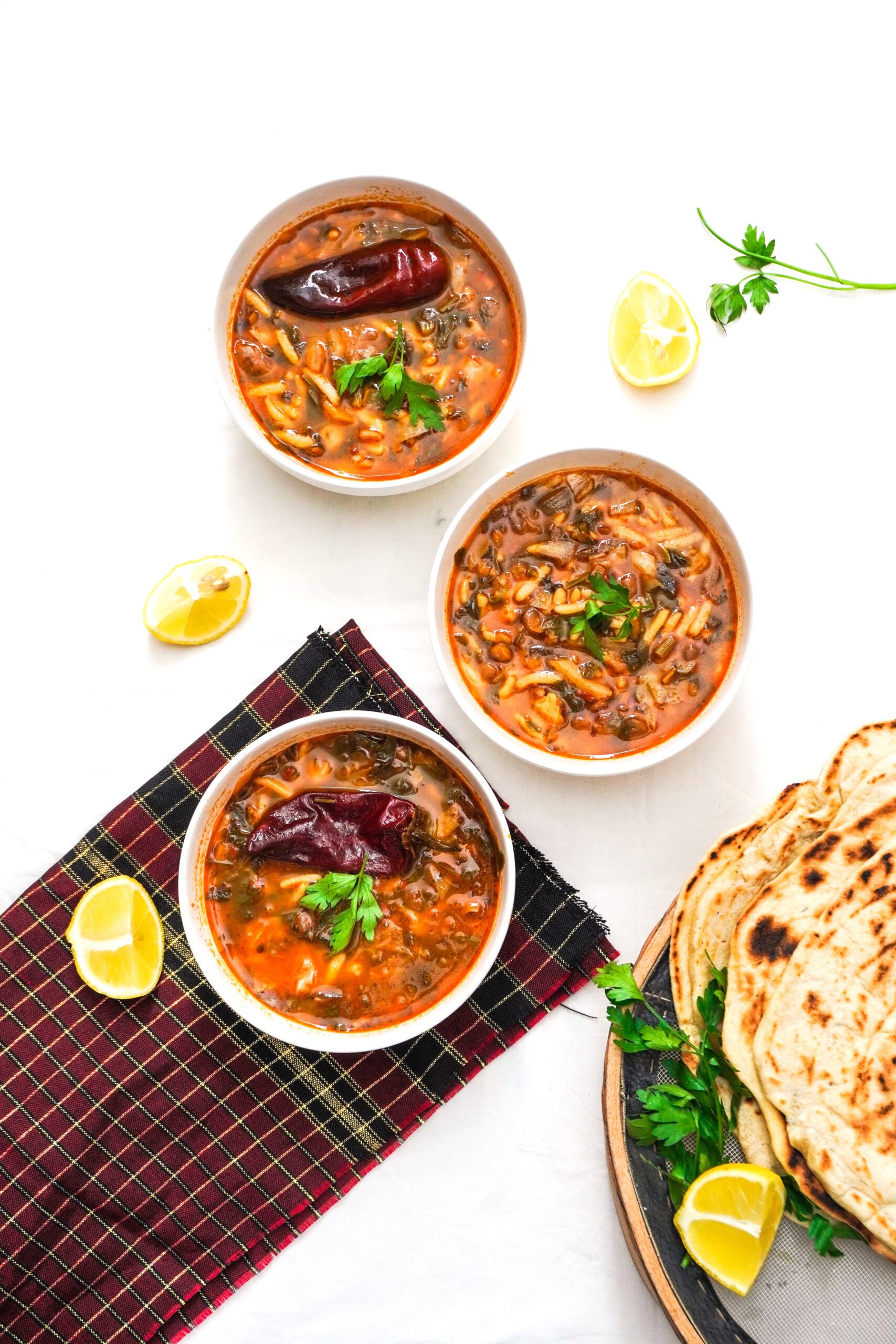
The Ramadan soups, like chorba and harira, open the meal for breaking the fast. They bring warmth, comfort and hydration after a day without eating or drinking.
After a day of fasting, nothing beats a hot soup to rehydrate and gently prepare the stomach. Chorba, with its fresh herbs and spices, sets the tone for the meal right away. Harira, more filling, combines legumes and meat to really recharge your batteries. The vegetable soup variations are ideal for lightening the menu while keeping the tradition. If you are vegetarian, simply replace the meat with chickpeas, lentils or tofu. As for spices, adjust to your taste, and finish with a squeeze of lemon or some fresh cilantro for that little touch that changes everything.
Homemade breads (msemen, batbout)
The homemade Ramadan breads, such as msemen and batbout, are essential and often prepared ahead of time to save time.
Bread is the foundation of the Ramadan table. Making your own homemade bread means choosing your ingredients and adjusting the texture to your liking. Msemen, with its flaky layers, can be enjoyed both savory and sweet. Batbout, soft and fluffy, is easy to fill. The oven-baked khobz dar is perfect for soaking up slow-simmered dishes. Want some variety? Try baghrir, light, with its little holes that catch honey or melted butter. Handy tip: prepare a large batch of dough, divide it into portions and freeze. You will only need to bake fresh bread in a few minutes, even on rushed evenings. A good homemade bread makes all the difference right away.
Bricks, boureks and samosas
Bricks, boureks and samosas are crispy starters, filled to your liking, that are sure to please and are easy to prepare.
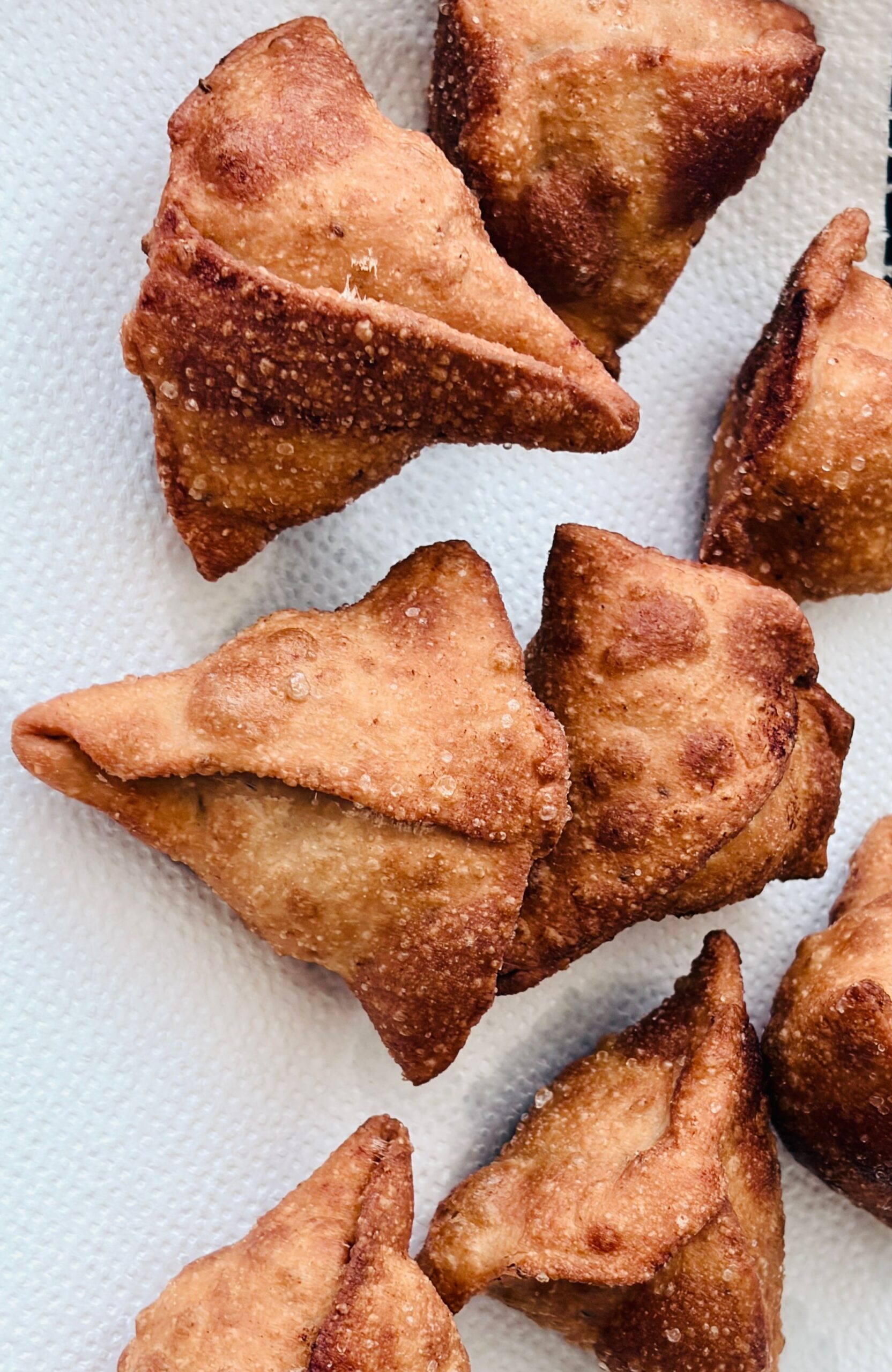
These crispy starters get everyone’s approval. Their strength is their variety: meat, vegetables, cheese… anything goes! Egg bricks are quick to make and loved by all. Boureks, more generous, can be prepared ahead and reheated without losing their crunch. Samosas, which come from elsewhere, also come in a veggie version. To save time, prepare several fillings at the start of the week and keep them refrigerated. Switch up the sauces to keep things interesting: yogurt-mint, spicy tomato, or homemade white sauce. Simple, effective, and always appreciated.
Salads (mechouia, hmiss)
Salads such as mechouia or hmiss add freshness and color to the Ramadan table and can be enjoyed cold or lukewarm.
Salads balance the meal and provide a good dose of vitamins. Mechouia is the taste of grilled vegetables and bright colors. Hmiss, with its peppers and tomatoes, can be prepared ahead and keeps for several days in the fridge. The Moroccan-style carrot salad, seasoned with cumin and lemon, brings a tangy touch. The oriental tabbouleh, fresh and flavored with mint, is a change from the classic. Serve them as a starter or a side dish. To save time, grill your vegetables in large quantities and store them in airtight jars. Add the seasoning just before serving to keep everything fresh.
Main dishes (tagines, couscous, malwiya)
The main dishes of Ramadan are often slow-simmered, generous and fragrant, perfect for gathering the family around the table.
Tagines, the stars of Maghreb cuisine, come in endless variations: chicken, lamb, vegetables, olives, preserved lemon… They simmer gently and perfume the whole house. Couscous, a festive dish, combines semolina, vegetables and meat for a complete meal. Malwiya, a lesser-known flaky flatbread, is filled according to inspiration. Vegetarian versions, rich in vegetables and chickpeas, are ideal for adding variety and suiting everyone. These dishes can be prepared ahead and reheated with no trouble. Dare to add dried fruits or mild spices such as cinnamon or saffron for an original touch. A slow-simmered dish is a guarantee of a convivial moment.
Sweets and desserts (baklava, flan, pastries)
The Ramadan sweets, such as baklava or flans, end the meal on a sweet and festive note.
The Ramadan desserts are all about shared indulgence. Baklava, crispy and generously soaked in syrup, always makes everyone happy. Makrout, made with semolina and dates, can be prepared in large batches and keeps for several days. The homemade flan, simple and light, pleases everyone. Gazelle horns with orange blossom, chebakia in Morocco, every country has its must-haves. To lighten things up, also offer fresh fruit or homemade compotes. Preparing the desserts in advance lets you enjoy breaking the fast without stress or rushing.
Ramadan menu ideas for 30 days
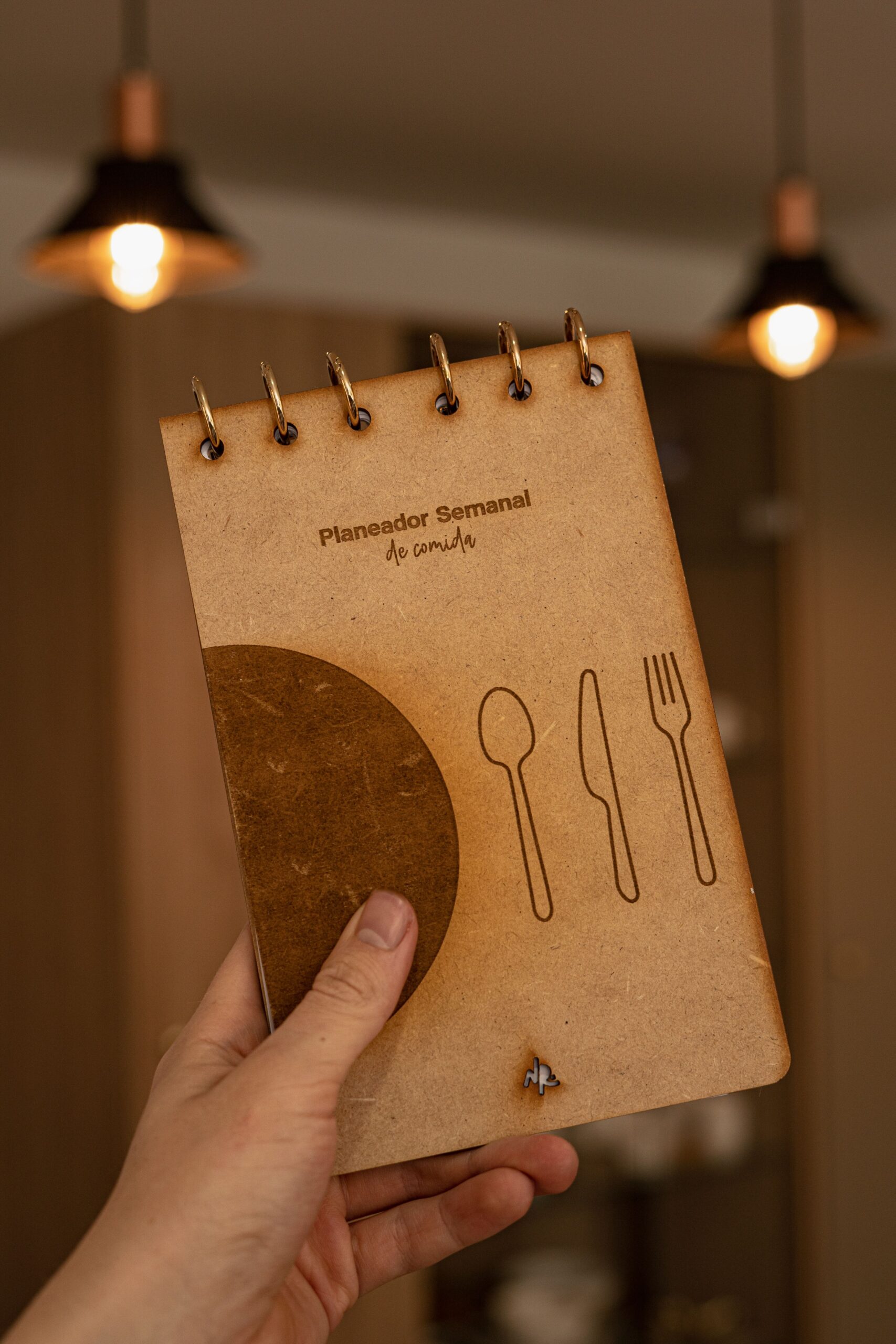
Organizing your Ramadan menus means planning varied dishes ahead of time for each evening, alternating soups, main dishes and desserts. A 30-day plan helps you vary your recipes, avoid routine and save time.
Taking the time to plan your meals over 30 days means never running out of ideas and keeping everyone satisfied. The trick is to mix the classics (soups, breads, bricks, tagines) with a few new dishes, taking into account everyone’s tastes and needs. Here is an example of a weekly menu and some tips to adapt your plan to your tastes and schedule.
Example of a weekly menu
| Day | Soup / Starter | Main dish | Dessert / Sweet treat |
|---|---|---|---|
| Monday | Chorba | Chicken tagine with olives | Baklava |
| Tuesday | Harira | Vegetable couscous | Homemade flan |
| Wednesday | Mechouia salad | Meat boureks | Makrout |
| Thursday | Vegetable soup | Vegetable tagine | Gazelle horns |
| Friday | Hmiss | Couscous with meatballs | Chebakia |
| Saturday | Egg bricks | Stuffed malwiya | Baghrir with honey |
| Sunday | Oriental tabbouleh | Lamb and prune tagine | Fresh fruit |
This table serves as a base for organizing your meals throughout the month. Adjust it according to your preferences, the number of people or dietary needs.
This plan gives your meals real structure, while leaving room for improvisation. Feel free to adjust it according to seasonal produce, tastes or even leftovers to finish. For more flexibility, double certain recipes and freeze the extra portions. You can also plan “buffet” evenings where everyone picks what they like. Remember to slip in a few dishes from elsewhere to create a surprise. And sometimes simplicity is enough: a homemade soup, fresh bread and fruit, and everyone is happy!
Tips for varying dishes and avoiding monotony
To avoid getting bored, it is advisable to alternate recipes, introduce vegetarian variations and try new flavors.
A few practical tips to stay motivated and enjoy the month:
- Alternate soups, salads and hot starters to start the meal well.
- Change the fillings of bricks and boureks: dare to try spinach and cheese, tuna and potato, or spiced vegetables.
- Vary the main dishes each week: tagine one evening, couscous the next, gratin or curry another day.
- Add recipes inspired by other cuisines, such as Asian or Mediterranean, to break from habits.
- Opt for seasonal vegetables, always fresher and tastier.
- Organize a “leftovers” evening: everyone finishes what is left, zero waste guaranteed.
- For desserts, alternate pastries, fresh fruit, compotes or homemade dairy desserts.
By diversifying the recipes and involving the whole family in choosing the menus, every meal becomes unique. And if inspiration is missing one evening, a good soup and homemade bread do the job perfectly!
Practical tips for successful Ramadan dishes
To make your Ramadan dishes a success, you need to get organized, choose recipes suited to your schedule and prepare some dishes in advance. Storing food well and adapting recipes is the key to getting through the whole month without stress.
Ramadan is a real marathon in the kitchen, especially when you work or have a large table to feed. Getting organized in advance, storing smartly and adapting dishes to everyone are the secrets to a calm month. Here is how to save time, avoid waste and handle all diets, without a rush every evening.
Organization and advance preparation
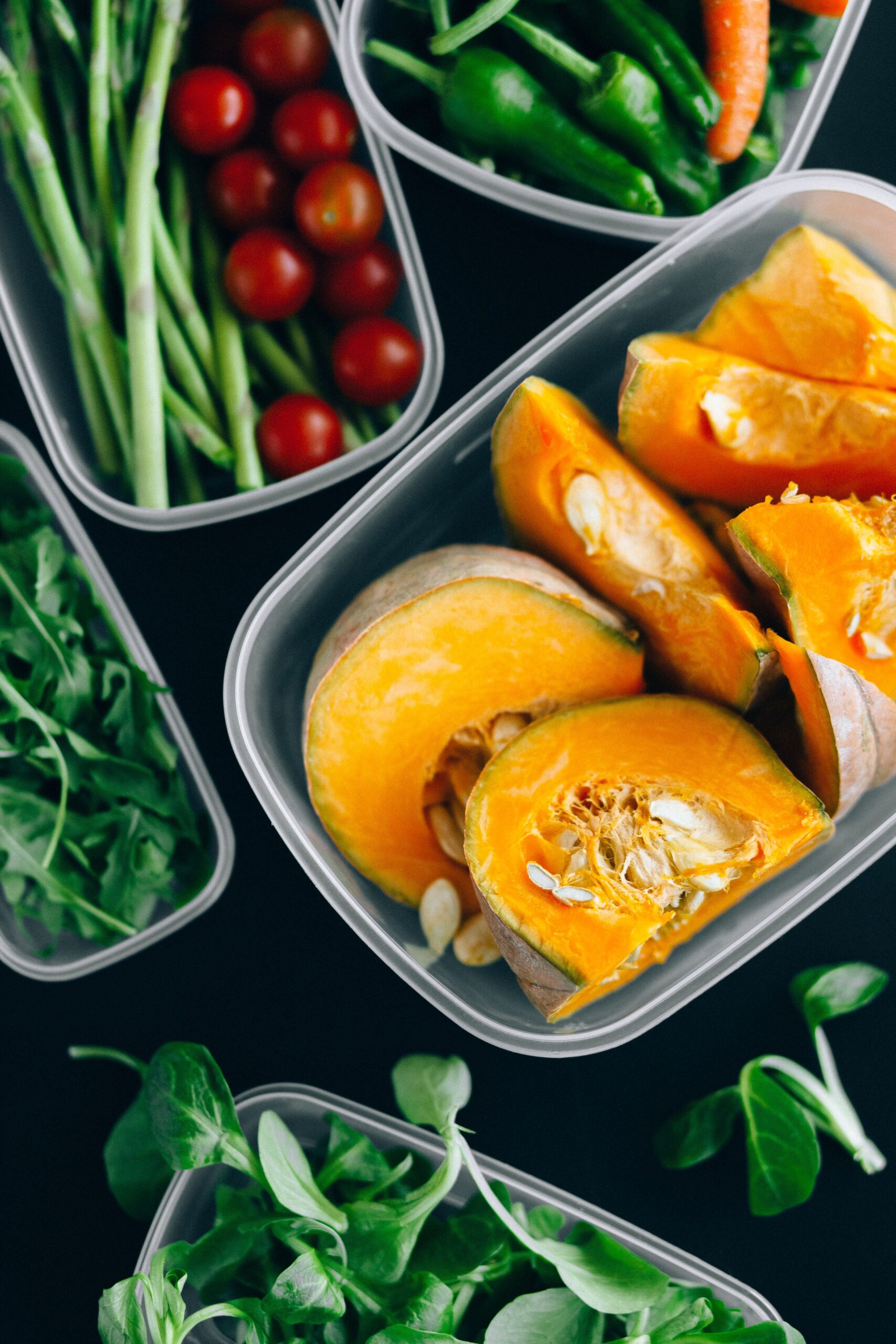
- Make a weekly menu to plan your shopping.
- Prepare soups, breads and bricks in advance and freeze them in portions.
- Use airtight containers to store leftovers and reheat them easily.
- Choose dishes that reheat well (tagines, couscous).
Start by listing your dishes for the week and do your shopping all at once, it makes life easier. Soup and bread can be prepared in large quantities over the weekend, then go to the freezer in individual portions. Bricks and boureks can be shaped ahead of time, then go in the oven at the last minute for perfect crispiness. Invest in airtight containers of all sizes: they save leftovers and limit waste. Finally, slow-cooked dishes are your allies: they reheat without a problem and are often even better the next day.
Anti-waste and time-saving tips
- Cook in large quantities and freeze in individual portions.
- Reuse leftover vegetables in bricks or salads.
- Turn stale bread into croutons or pudding.
- Prepare bases (sauces, cooked vegetables) to use throughout the week.
To reduce waste, recycle leftover meat or vegetables in bricks, omelets or gratins. Stale bread becomes croutons for soup or pudding for dessert. Preparing food in large quantities means having several meals ready ahead of time and portions ready to freeze. Homemade sauces (tomato, curry, yogurt…) keep for several days and serve as a base for plenty of dishes. And why not end the week with a “leftovers” buffet? It’s practical and avoids throwing food away.
Adapting recipes to different diets (vegetarian, gluten-free, etc.)
- Replace the meat with legumes for veggie versions.
- Use gluten-free semolina or bread for those with intolerances.
- Favor steaming or oven cooking for lighter dishes.
- Offer lactose-free alternatives for desserts (plant-based milk, compotes).
Adapting recipes means letting everyone enjoy the meal, whatever their diet. For vegetarians, chickpeas, lentils and kidney beans work perfectly in soups, tagines or couscous. Those with gluten intolerance can count on gluten-free breads or semolina, store-bought or homemade. Steaming or oven cooking helps limit fat, for those who want to lighten their plates. As for desserts, plant-based milks (almond, soy, oat) or homemade compotes easily replace regular milk. Remember to ask your guests if they have any special needs, so that everyone can enjoy the meal.
Conclusion
Making your Ramadan dishes a success is about focusing on variety, organization and the joy of sharing. By alternating soups, breads, slow-cooked dishes and sweets, every meal becomes a true celebration, respectful of traditions and suited to everyone.
Ramadan is the occasion to share, to innovate and to gather around the table. By drawing on the classics, adapting menus and following a few tips, you can enjoy varied, balanced meals without stress. The essential thing is to enjoy your food and savor every moment with family.
FAQ
The evening meal during Ramadan is called ftour or iftar. It is the moment when the fast is broken after sunset.
North African specialties include chorba, harira, bricks, msemen, couscous, mechouia and pastries such as baklava.
You eat at the time of the breaking of the fast, that is, after sunset, according to the schedule given each day.
For the end of Ramadan, people often prepare festive dishes such as couscous, tagines or traditional pastries.
It is recommended to plan your menus in advance, to alternate between soups, main dishes and desserts, and to prepare some dishes ahead of time to save time.
Leave a Reply