


Mashallah. You come across this word just about everywhere: in conversations, on Insta, while traveling, or even in a simple exchange of texts. It literally means “what God has willed” and is used to express admiration for something beautiful, positive or successful, while symbolically protecting against the evil eye.
But what does it really mean in everyday life? How do you use it without getting it wrong? Let’s take a look at this Arabic expression, its true meaning, its uses and all its subtleties.
MashaAllah meaning and translation in English
Simple definition of mashaAllah
MashaAllah (you also see machaAllah, ma sha Allah) comes from Arabic. It is used to show your admiration, satisfaction or gratitude in the face of something beautiful, successful or joyful. Basically, it’s like saying “that’s stunning,” “how lucky,” or “well done”… but with an extra spiritual touch.
It’s a way of highlighting what is beautiful or positive, while keeping in mind that everything good that happens isn’t just the result of chance or our own efforts. It’s used both in speech and in writing, and it spans all generations. It’s everyday politeness, but also a mark of respect for what surrounds us.
In daily life, mashaAllah slips into plenty of situations:
- When a child brings home a great grade from school
- In front of an artistic creation or a successful work project
- When discovering a breathtaking landscape
- To congratulate a loved one after good news
Mashallah isn’t just a compliment; it’s also a mark of kindness. It’s used to express admiration without seeming to bring bad luck or stir up jealousy. A simple word, but full of meaning, that travels from one culture to another.
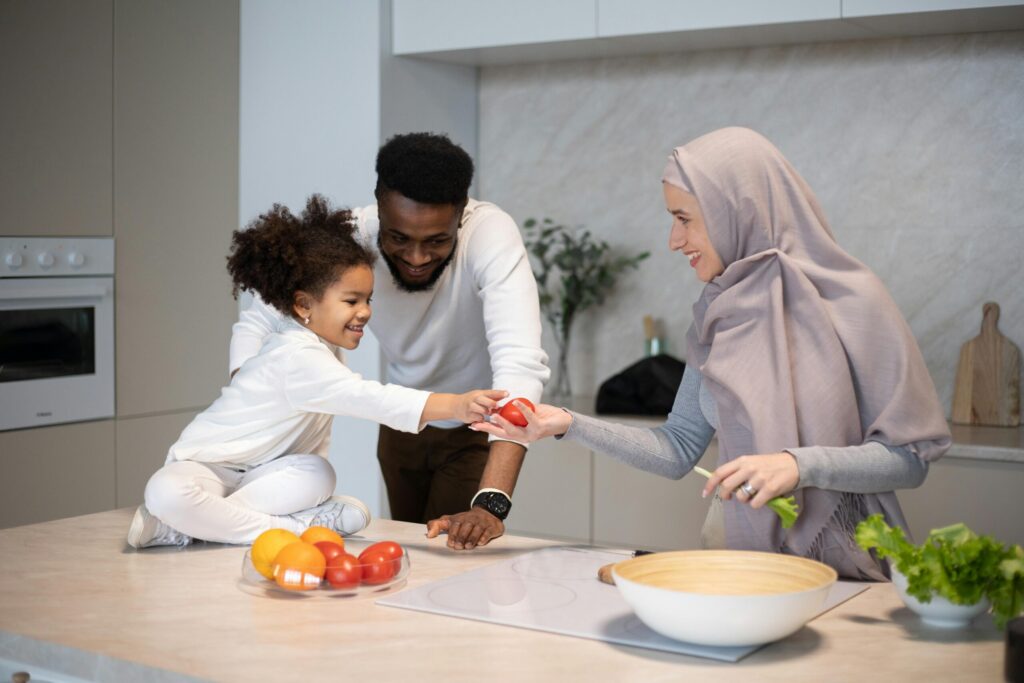
Literal translation and deeper meaning
Literally, mashaAllah means “what God has willed” or “what Allah has willed.” The idea: everything good that happens is the divine will. It’s used to congratulate, compliment or express wonder, while reminding us that, ultimately, the final word belongs to God. A compliment that can’t be turned down, even when you haven’t hit the jackpot.
But mashaAllah is above all an expression charged with spirituality. It invites us to stay humble: even if we work hard, success or beauty are seen as gifts, not just as things we’ve earned.
What to remember about what mashaAllah conveys:
- It expresses gratitude for the beauty life offers
- It helps avoid provoking envy or jealousy
- It is part of a tradition of modesty and respect
Mashallah is therefore not just a word of admiration. It’s also a way of acknowledging the role of destiny or chance in every success. And that’s why the expression is still so popular, even outside the Arab world.
Origin, writing and pronunciation of mashaAllah in Arabic
Etymology and Arabic script
Mashallah comes from the Arabic ما شاء الله, pronounced “mā shāʾa llāh.”
- ما (mā): what
- شاء (shāʾa): has willed
- الله (Allāh): God
Here is how it is written in Arabic, often in stylish calligraphy:
ما شاء الله
The expression comes from the Islamic world, but it quickly moved beyond its religious context. You can find it in literature, poetry, and even on decor items. Mashallah calligraphy often decorates walls, cars, and jewelry, as a way to bring happiness or protection.
In the Arab world, writing mashaAllah is stylish and full of meaning. It appears in artistic patterns, especially during major occasions or family celebrations. This aesthetic touch further strengthens the place of mashallah in popular culture.
Pronunciation and spelling variants
As for pronunciation, the most common is “ma sha Allah” or “ma sha Allah” [maʃaːlaː].
In French, you will see several ways of writing it:
- mashaAllah
- machaAllah
- ma sha Allah
- mâchaAllah
All of these versions are acceptable, although “mashaAllah” is the one you see most often, especially online or in official texts.
The variety of spellings comes from the transition from Arabic to the Latin alphabet, which varies depending on countries and habits. When spoken, the accent can vary a little from one region to another, but the meaning always stays the same.
To pronounce it well:
- Put the stress on the “ma” (as in “mama”)
- Hold the “sha” a little longer
- Finish with “Allah”, clearly articulated
A little tip: if you are unsure about the spelling, “mashaAllah” remains the simplest choice, especially in writing or on social media.
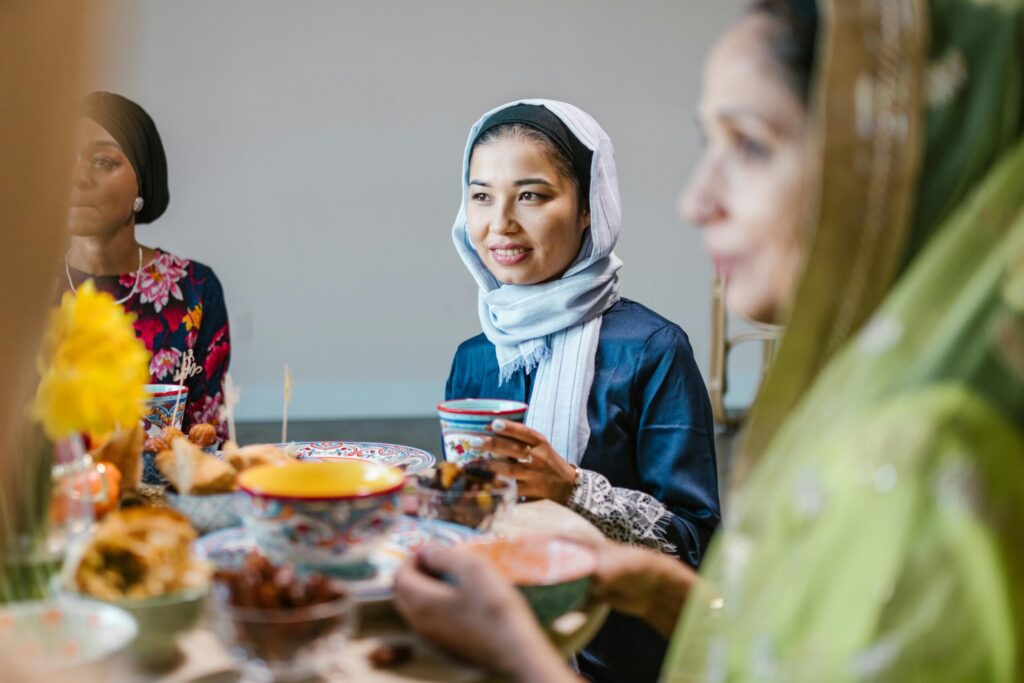
When and how to use mashaAllah?
Common contexts of use
Mashallah is used in plenty of everyday situations, especially to:
- Congratulate someone on an achievement or a talent
- Show admiration when seeing a baby, a child, or something beautiful
- Express gratitude for good news
- Protect against the evil eye (bad luck or jealousy)
It is a spontaneous phrase, both polite and kind.
In everyday life, mashaAllah shows up: - Within the family, to compliment a loved one
- During celebrations, weddings, births
- In conversations between friends, at work or at school
- On social media, in a comment under a photo or an achievement
It is also used to defuse jealousy: adding mashallah after a compliment is like slipping on a little “shield” against the evil eye. Used at the right moment, it shows that you are sincere and that you respect traditions.
A little wink: in some countries, people say mashallah almost as often as “hello”… or as often as they drink mint tea.
Concrete examples of sentences
To make things clearer, here are a few examples:
- “Your son is really smart, mashaAllah!”
- “MashaAllah, what a beautiful house!”
- “You passed your exam, mashallah.”
- “MashaAllah, this cake is delicious.“
In everyday life, mashaAllah shows up everywhere, even in WhatsApp chats and Insta stories.
Other examples: - After a vacation photo: “MashaAllah, this landscape is incredible.“
- For a birthday: “MashaAllah, you don’t change with the years!”
- In front of a project that’s a huge hit: “MashaAllah, what impressive work.“
MashaAllah is truly all-purpose. From the most formal to the most casual, you can congratulate, compliment or share a positive emotion, all while staying connected to the other person’s culture.
Difference between mashaAllah, inshaAllah and alhamdulillah
Mashallah vs inshallah: uses and meaning
Mashallah and inshallah are often confused, but they don’t play the same role.
| Expression | Main meaning | When to use it? |
|---|---|---|
| MashaAllah | What God has willed (admiration) | When noting something positive |
| InshaAllah | If God wills (hope, future) | To talk about a wish or a plan |
Examples:
- MashaAllah, you have a beautiful car!”
- “InshaAllah, you’ll get your license soon.”
MashaAllah is for admiring what already exists. InshaAllah is for talking about a wish or something to come. The mix-up is common, but in Arab culture, each has its moment.
In short: - MashaAllah = admiration, it’s already here
- InshaAllah = hope, it’s for later
A simple way not to get it wrong: mashaAllah is the present; inshaAllah is the future. No linguistic compass needed to find your way!
MashaAllah vs alhamdulillah: nuances
Alhamdulillah means “thanks to God” or “praise be to God.” It is used to give thanks or express gratitude, after good news or something positive.
| Expression | Main meaning | Example of use |
|---|---|---|
| MashaAllah | Admiration, observation | “MashaAllah, what a beautiful drawing!” |
| Alhamdulillah | Thanks, gratitude | “Alhamdulillah, everything is fine.” |
| Mashallah is for admiring; alhamdulillah is for giving thanks. Sometimes you can hear them in the same conversation, but each has its own little something extra. |
- MashaAllah: admiration for a fact or a quality
- Alhamdulillah: thanks for a blessing received
In practice, mashaAllah often concerns other people, whereas alhamdulillah is more personal, a bit like a prayer or a sign of gratitude toward God.
MashaAllah in culture and religion
Expression and protection against the evil eye
In Arab and Muslim culture, mashaAllah isn’t only used to flatter. It is also used to protect against the evil eye, that is, the jealousy or bad luck that could follow a compliment. Saying mashaAllah means wishing that everything good remains, without attracting bad vibes.
The belief in the evil eye is ancient and widespread. MashaAllah, in this context, is a bit like a verbal good-luck charm. It shows that you admire without envying, and that you wish for the other person’s success or happiness to last.
In some countries, it is even frowned upon to pay a compliment without adding mashaAllah, especially when talking about children or precious belongings. It is a habit rooted in a tradition of caution and respect for popular beliefs.
In short:
- MashaAllah protects against unintentional jealousy
- It reassures the person being complimented
- It is part of social exchanges
One word, one talisman: that’s the whole mashallah effect in daily life.
Usage among Muslims and non-Muslims
MashaAllah is an expression that comes from the Islamic tradition, but it goes well beyond it. Many non-Muslims, especially in Arabic-speaking countries, use it every day. It is also heard among Arab Christians, who share the language and certain cultural traditions.
In everyday life, mashaAllah is said regardless of religion:
- In all Arabic-speaking families, whatever their faith
- During celebrations, weddings, births
- In professional exchanges or among friends
This universality makes mashaAllah a true bond between cultures and beliefs. It is a sign of respect for beauty, success, and kindness. And it also shows the richness of the Arabic language, capable of crossing all borders.
In the end, mashaAllah belongs to everyone who wants to express admiration and respect, regardless of origin or religion.
Conclusion
MashaAllah is not just a word. It is a true expression of admiration, respect, and kindness, deeply rooted in Arab and Islamic culture. Using it is simple, but it carries a profound meaning: acknowledging beauty or success, while recalling the spiritual dimension behind everything. Whether you are Muslim, Christian, or just curious, the key is to use it with sincerity and respect.
FAQ
Mashallah literally means “what God has willed.” It is used to express admiration, satisfaction or appreciation when faced with something positive.
We say mashaAllah to congratulate, compliment or marvel at an achievement, a beauty or good news. It is also a way of protecting against the evil eye.
MashaAllah is for acknowledging and admiring what already exists. Inshallah (“if God wills”) is for expressing a wish or a hope for the future.
Yes, mashaAllah is used by many Arab Christians, especially in countries where Arabic is the main language.
MashaAllah is written: ما شاء الله. The most common pronunciation remains “macha Allah.”
MashaAllah, you now have all the keys to use this expression, without hesitation and always in the right context.