


The difference between Umrah and Hajj comes down to several points: religious obligation, duration, time of year and the rituals to perform. Hajj is a pillar of Islam, obligatory at a specific time for every Muslim who is able. Umrah, on the other hand, is a recommended act that can be performed at any time of the year. Both take place in Mecca, but each pilgrimage has its own rules and significance.
In brief:
- Hajj is obligatory once in a lifetime for every Muslim who is able, while Umrah is recommended.
- Hajj takes place on specific dates, while Umrah can be performed at any time of the year.
- Hajj lasts several days and includes more rituals than Umrah.
- Both share some rites, but Hajj includes additional steps.
Definition of Umrah and Hajj
Umrah and Hajj are two forms of pilgrimage to Mecca. Hajj is a religious obligation to be fulfilled once in a lifetime by every able Muslim, during a very specific period. Umrah, on the other hand, is a recommended spiritual journey that can be undertaken at any time of the year.
What is Umrah?
Umrah is a pilgrimage to Mecca, recommended but not obligatory, that can be performed at any time of the year. It consists of a series of short, simple rites, fewer in number than those of Hajj.
In practice, Umrah is open to all Muslims, with no seasonal restrictions, which makes it very accessible. The steps are clear: you enter the state of sanctification (Ihram), circle the Kaaba (Tawaf), walk between Safa and Marwa (Sa’i), and finish with a haircut or trimming of the hair. This simplicity allows everyone to experience a powerful spiritual moment without heavy logistics. Umrah can be done alone, with family or with friends, often to discover Mecca or strengthen one’s faith. It requires little preparation, which makes it popular. Although it does not replace Hajj, Umrah remains highly valued in the Muslim tradition.
What is Hajj?
Hajj is the great pilgrimage to Mecca, obligatory once in a lifetime for every adult Muslim who is of sound mind and physically and financially able. It takes place on fixed dates in the month of Dhul Hijjah.
But Hajj is much more than a simple trip. Every year, millions of worshippers gather there, creating a unique atmosphere of brotherhood and devotion. The rites are numerous: after the Ihram, there are the Tawaf, the Sa’i, then a day of prayer at Arafat, a night at Muzdalifah, the stoning of the pillars at Mina and the sacrifice of an animal. These steps symbolize humility, forgiveness and a true spiritual renewal. Hajj requires real preparation, both physical and mental. For many, it is a key moment in their journey of faith, an honor and a blessing.
Summary table: Umrah vs Hajj
| Criterion | Umrah | Hajj |
|---|---|---|
| Definition | Recommended pilgrimage | Obligatory pilgrimage |
| Obligation | Not obligatory | Obligatory once in a lifetime |
| Period | All year round | Specific dates (Dhul Hijjah) |
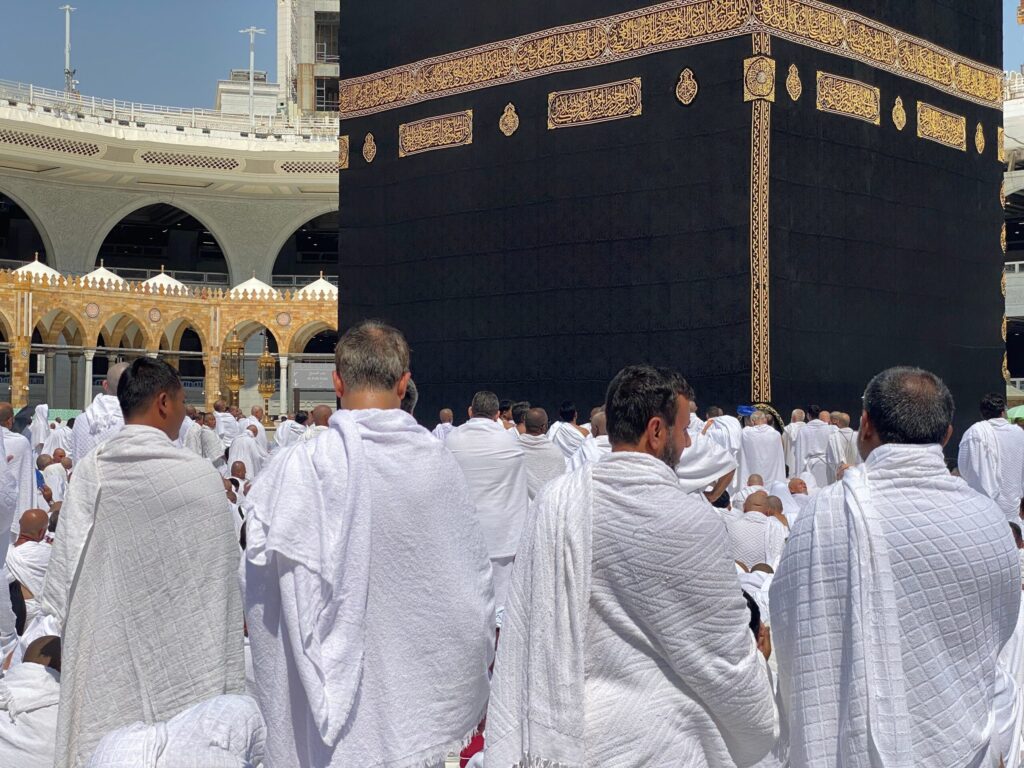
The main differences between Umrah and Hajj
The differences between Umrah and Hajj concern religious obligation, duration, when they can be performed and the rituals to follow. Hajj is longer and obligatory, while Umrah is shorter and recommended.
Religious obligation: Hajj is obligatory, Umrah is recommended
Hajj is a duty for every adult Muslim of sound mind who has the physical and financial means. Umrah, on the other hand, remains a strong recommendation but is not required.
Specifically, Hajj is one of the five pillars of Islam, alongside prayer and almsgiving. It is required of everyone who is able to perform it. By contrast, Umrah, although encouraged, remains optional. Performing Umrah several times never exempts one from Hajj. For those who cannot perform Hajj (health, finances…), Umrah remains a precious spiritual experience, but it does not replace the obligation of Hajj. This distinction is essential for properly planning your spiritual journey.
Duration and period: Hajj is annual, Umrah is all year round
Hajj takes place every year on specific dates in the month of Dhul Hijjah and lasts several days. Umrah, on the other hand, can be done at any time and is completed in a few hours.
This changes everything when it comes to organizing the trip. Hajj requires registering in advance, preparing to travel with huge crowds and devoting several days to the rites. It is a unique and intense period, with a lot of people. Umrah, on the contrary, can be done whenever you wish, often in the off-season, which allows you to experience the rites in a calmer setting. This flexibility appeals to those who want to avoid the crowds or have a busy schedule. For a first visit, Umrah is sometimes a good stepping stone before Hajj.
Specific rituals for each pilgrimage
Hajj includes all the rites of Umrah, but adds major steps: the standing at Arafat, the stoning of the pillars at Mina, the sacrifice of an animal, and a night at Muzdalifah. Umrah is limited to the Ihram, the Tawaf, the Sa’i and the cutting of the hair.
These additional steps make Hajj a particularly powerful experience. The standing at Arafat, for example, is central: it is the culmination of the pilgrimage, a symbol of forgiveness and mercy. The stoning at Mina recalls the rejection of evil, and the sacrifice of an animal echoes the story of the Prophet Ibrahim. Spending the night at Muzdalifah under the stars marks a time of collective reflection. In comparison, Umrah is more direct, focused on purification and closeness to God. That is why Hajj requires more thorough preparation on every level.
Summary comparison table
| Criterion | Hajj | Umrah |
|---|---|---|
| Obligation | Mandatory (1 time in a lifetime) | Recommended |
| Period | Specific dates (Dhul Hijjah) | All year round |
| Duration | Several days | A few hours |
| Rituals | Tawaf, Sa’i, Arafat, Mina, sacrifice… | Tawaf, Sa’i, cutting of the hair |
-
Sold out

Men's Ihram 2-Piece Set – Microfibre 700g
£16.44Read more -
Sold out

Men's 2-Piece Ihram – Premium Comfort for Umrah and Hajj
Price range: £16.44 through £22.56Select options This product has multiple variants. The options may be chosen on the product page -
Sold out
Men's 2-Piece Ihram – Polyester Jacquard 1000g
£22.56Read more

Common points between Umrah and Hajj
Umrah and Hajj share several rites such as Ihram, Tawaf and Sa’i, but they are distinguished by other stages and their religious importance.
Common rituals
Both pilgrimages begin with entering the state of consecration (Ihram), followed by the Tawaf (circling the Kaaba) and the Sa’i (walking between Safa and Marwa). These rites express devotion and humility before God.
Ihram is the starting point, with simple clothing and a clear intention. Tawaf consists of seven circuits around the Kaaba, a symbol of the unity of believers. Sa’i, the walk between Safa and Marwa, recalls the story of Hajar searching for water for Ishmael. These rituals, shared between Umrah and Hajj, create a strong bond among all pilgrims and recall the values of faith and perseverance. The cutting or shortening of the hair concludes these rites, a sign of a new spiritual beginning. Even though the two pilgrimages differ in other respects, these shared stages bring all the faithful closer together.
Conditions for performing them (physical ability, financial ability, etc.)
To perform Umrah or Hajj, one must be Muslim, an adult, of sound mind, and have the physical and financial means. For Hajj, these conditions are strict because it is a duty.
These criteria protect the health and dignity of pilgrims. No one is asked to put themselves in danger or go into debt to perform these acts. A sincere intention (niyya) also matters: Umrah or Hajj must be undertaken in a pure spirit, with respect for every stage. Some opinions require women to be accompanied, and children are not subject to the obligation of Hajj. Finally, respect and patience are essential, as the large number of pilgrims can test your nerves.
Bullet list: shared rituals
- Entering the state of Ihram (consecration)
- Tawaf (circumambulation around the Kaaba)
- Sa’i (walking between Safa and Marwa)
- Cutting or shortening the hair
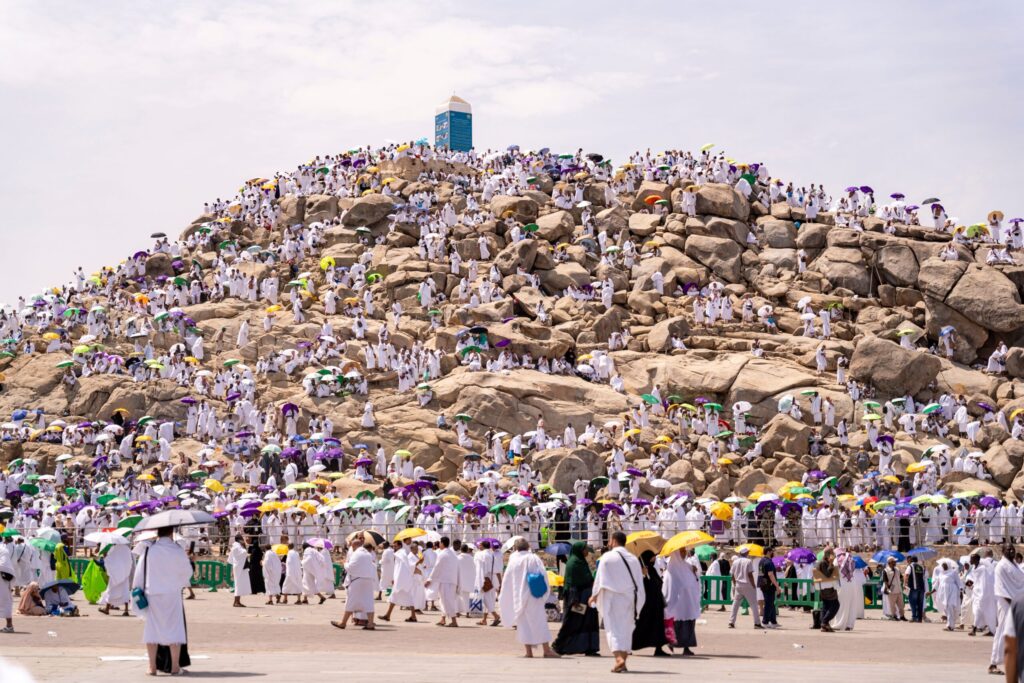
Frequently asked questions about Umrah and Hajj
The frequently asked questions revolve around whether Umrah can replace Hajj, the order to follow, and the different types of Hajj.
Can Umrah replace Hajj?
No, Umrah does not replace Hajj. Hajj remains an obligation for every Muslim who is able, whereas Umrah is only recommended.
It is important to distinguish between the two. Even though Umrah is a powerful spiritual act, it does not exempt anyone from Hajj. Each has its own value and its place in religious practice. Performing Umrah does not remove the obligation to perform Hajj as soon as one is able. This distinction avoids misunderstandings and helps you better organize your spiritual journey.
Should you do Umrah or Hajj first?
There is no required order, but many choose to begin with Umrah to become more familiar with the rites before Hajj.
Starting with Umrah has its advantages: it lets you discover the holy sites, get used to the rituals and prepare mentally for Hajj. Some use Umrah as a kind of “dress rehearsal,” especially if they have never traveled to Mecca. But no rule requires following a specific order. What matters most is the sincerity of the intention.
What are the 3 types of Hajj?
The three types of Hajj are: Hajj Tamattu’ (Umrah followed by Hajj with a break), Hajj Ifrad (Hajj alone), and Hajj Qiran (Umrah and Hajj without a break).
Each type has its own particularities. Hajj Tamattu’ consists of performing Umrah, then leaving the state of Ihram before resuming for Hajj. Hajj Ifrad is Hajj only, without a prior Umrah. Hajj Qiran combines the two without leaving the state of Ihram. The choice depends on your preferences, your abilities and your situation. It is advisable to seek advice from experienced people or specialized guides to choose the most suitable option.
What is the purpose of Umrah?
The purpose of Umrah is to draw closer to God through an act of devotion, by performing certain rites in Mecca, at any time of the year.
Umrah allows you to renew your faith, seek forgiveness and take stock of your spiritual life. It is an opportunity to live an intense experience centered on prayer, reflection and inner purification. Many choose Umrah to mark a significant moment, thank God or simply strengthen their connection with the divine. It is a true time of refocusing.
Conclusion
The difference between Umrah and Hajj lies mainly in their religious status, their duration, when they are performed and their rituals. Hajj is a pillar of Islam, mandatory at a specific time and longer. Umrah is recommended, can be performed all year round, and is shorter. Both share essential rites, but only Hajj is required of every Muslim who is able. Knowing the difference is the key to preparing your pilgrimage calmly and fulfilling your religious duties with confidence.
FAQ
No, Umrah does not replace Hajj. Hajj remains a religious obligation for every Muslim who is able, whereas Umrah is a recommendation.
There is no mandatory order, but many people start with Umrah to become familiar with the rites before performing Hajj.
The three types of Hajj are: Hajj Tamattu’ (Umrah followed by Hajj with a break in between), Hajj Ifrad (Hajj only), and Hajj Qiran (Umrah and Hajj combined without a break).
The purpose of Umrah is to draw closer to God through an act of devotion, by performing certain rites in Mecca, with no set time period required.
Leave a Reply