


The relationship between men and women in Islam is based on balance, mutual respect and complementarity. Marriage is the official framework for love, sexuality and life as a couple, while relationships outside of marriage are strictly regulated. This guide covers the rights, duties, limits and values that shape Muslim married life, drawing on the Quran and the tradition of the Prophet.
In brief
- The Muslim couple is built around peace, tenderness and shared responsibility.
- Islam specifies the rights and duties of each spouse, in a spirit of balance.
- Relationships outside of marriage are restricted; modesty and respect are at the heart of interactions.
- Love, sexuality and tenderness are encouraged, but only within marriage.
The couple and marriage according to the Quran
In Islam, the couple is a sacred union between a man and a woman, meant to bring peace, tenderness and balance. Marriage is presented as the legitimate framework for this relationship and for starting a family, as the Quran recommends.
More than a simple administrative act, marriage in Islam is a deep commitment, recognized both before God and within the community. The Quran describes marriage as a source of tranquility and mercy: each spouse becomes the support, protection and stability of the other. The couple is above all a space in which to grow, share and take on responsibilities together. Each partner contributes their share, with the idea of lifting one another up.
Marriage also lays the foundations of a strong family, which is essential for society. It provides a secure framework for raising children and passing on religious values. Peace and tenderness are the common thread: the aim is a harmonious atmosphere in which communication and understanding are encouraged. Finally, it is also a way of preserving a certain individual and collective morality, by giving the relationship between men and women a respectful and balanced framework.
Definition of the couple in Islam
The Muslim couple is the official and spiritual union between a man and a woman, sealed by marriage (nikah). This union aims at tranquility, mutual protection and stability, while respecting religious rules. Here, marriage is not just a signature: it is a commitment before God, with rights and duties on both sides.
In the Islamic tradition, the couple is not only a matter between two people: it is an institution that protects faith, morality and society. Getting married means avoiding loneliness, channeling one’s desires within a lawful framework and building a family. Man and woman are seen as partners, responsible to one another and before God.
But it is not only about rights and duties: the couple in Islam is also a spiritual journey. The union helps spouses grow in faith, support each other morally and materially, and flourish personally. It is a space for learning, where patience, tolerance and cooperation are called for. In short, the couple takes on a sacred and human dimension, in which each partner acts for the well-being of the other and the stability of the home.
The goals of marriage
Marriage in Islam pursues several essential goals:
- Provide a lawful framework for the relationship between men and women.
- Preserve the dignity and chastity of both spouses.
- Build a stable family and raise children in the faith.
- Bring peace, tenderness and mutual support.
- Strengthen solidarity and social responsibility.
The Quran often emphasizes tranquility (sakinah) and mercy (rahma) within the couple. Marriage is therefore not just a formality: it is a commitment to live together in respect, love and kindness.
On top of all that, marriage aims to provide an environment where each person can flourish, both individually and as a team. It is day-to-day support for facing the ups and downs, sharing joys and building a common project. The family born of marriage plays a central role in passing on moral and religious values, ensuring the continuity of the community. Finally, marriage encourages social responsibility: each member of the couple must contribute to the well-being of society through their behavior and commitment.
Verses and hadiths about the couple
The Quran and the hadiths remind us of the importance of the couple and of marriage:
- “Among His signs is that He created for you, from yourselves, spouses so that you may find tranquility in them, and He placed between you affection and kindness.” (Quran, 30:21)
- The Prophet Muhammad (peace be upon him) said: “Marriage is part of my tradition. Whoever does not follow my tradition is not one of me.”
- Other hadiths highlight kindness, tenderness and mutual respect within the couple.
These texts show that the relationship between men and women in Islam is founded on love, mercy and shared responsibility.
The religious sources stress the importance of creating a climate of trust, listening and support within the couple. Verses and hadiths serve as reference points to guide spouses in daily life. Compassion, mutual aid and patience are qualities to cultivate in order to overcome difficulties and strengthen marital bonds. The teachings also encourage expressing love and gratitude, avoiding injustice and seeking balance in the relationship. In summary, the Muslim couple stands for complementarity, kindness and the pursuit of the common good.
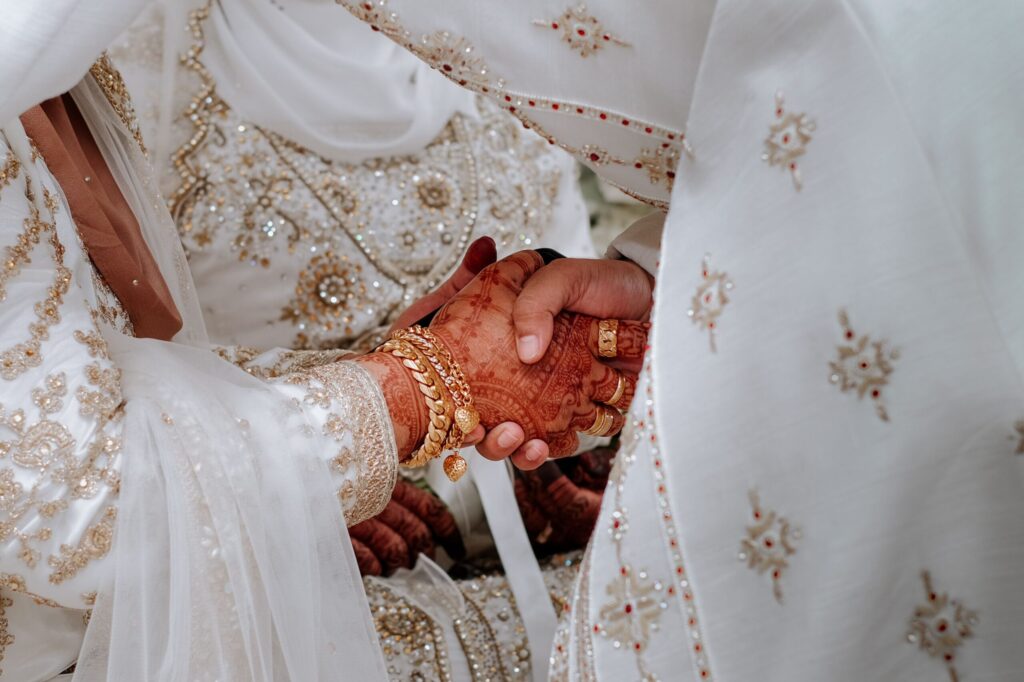
Rights and duties of men and women in Islam
Islam defines reciprocal rights and duties for men and women, in order to ensure balance and justice within the couple. Each has specific responsibilities, with respect for dignity and complementarity.
The organization of these rights and duties aims to ensure the harmony and stability of the home. Whether man or woman, each has their own prerogatives and obligations, which complement each other to form a strong partnership. The goal is not to establish a hierarchy, but to rely on complementarity, so that everyone contributes to family cohesion. Religious texts emphasize consultation, dialogue and mutual respect to avoid conflicts. Ultimately, married life becomes an exchange, a support and a sharing, in which justice and fairness are central.
The wife’s rights over the husband
In Islam, the wife enjoys clear and recognized rights:
- Respect, dignity and consideration.
- Physical and moral protection.
- Material support (housing, food, clothing).
- Affection, tenderness and good companionship.
- Consultation in family decisions.
- A fulfilling sexual life and consideration of her needs.
The Prophet Muhammad emphasized kindness toward women: “The best of you is the one who is best to his wife.”
Beyond these fundamental rights, the wife can take an active part in family and social life, according to her wishes and means. Islam encourages dialogue and taking her opinion into account in important decisions. Moral protection includes respect for her reputation and honor, as well as the preservation of her physical and psychological health. Affection and tenderness are not limited to a few gestures: they also involve listening, understanding and support in daily life. Taking the wife’s emotional and sexual needs into account also helps ensure the balance of the couple.
The husband’s rights over the wife
The husband also has rights within the Muslim couple:
- Respect and fidelity.
- Harmonious management of the home.
- Preservation of the couple’s intimacy.
- Consultation and dialogue in family life.
- Fulfillment of his emotional and sexual needs.
These rights always go hand in hand with duties, such as protection, kindness and the material support of the family.
As head of the family, the husband ensures the stability and security of the home. His right to manage the household is not absolute authority, but a responsibility shared with his wife. Preserving intimacy also means respecting privacy and discretion in family matters. Dialogue remains essential for fair decisions and for maintaining balance in the relationship. Finally, the fulfillment of the husband’s emotional and sexual needs is part of a logic of reciprocity, in which everyone’s well-being matters.
Equality and differences (comparison table)
Islam recognizes the spiritual equality of man and woman, while proposing complementary roles. Here is a summary in table form:
| Aspect | Husband | Wife |
|---|---|---|
| Spiritual dignity | Equal before God | Equal before God |
| Financial support | Must provide for material needs | May contribute, without obligation |
| Respect | Owes respect and kindness | Owes respect and fidelity |
| Family decisions | Consultation and shared responsibility | Consultation and shared responsibility |
| Sexuality | Must meet the wife’s needs | Must meet the husband’s needs |
Equality does not mean sameness, but complementarity and balance in roles.
This approach allows everyone to flourish according to their abilities and wishes, while respecting justice and fairness. The roles assigned to the husband and the wife are not fixed and can change depending on the couple’s context and needs. What matters most is dialogue and the pursuit of the common good. It’s a bit like a sports team: everyone has their place, but victory is built together.
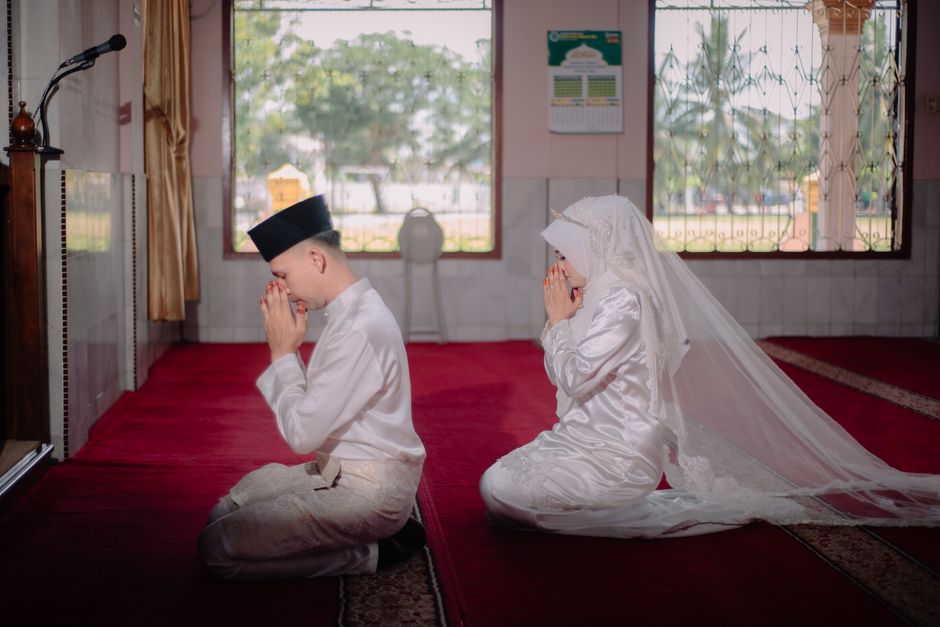
The limits of male-female relationships outside marriage
Relationships between men and women outside marriage are strictly regulated in Islam. All physical or emotional intimacy outside marriage is forbidden, and modesty and respect for boundaries are essential.
These rules serve to protect everyone’s dignity and to prevent risky situations or social tensions. Islam emphasizes purity of heart and intentions, avoiding ambiguous situations or those conducive to temptation. Interactions between men and women should therefore be limited to what is necessary, within a respectful and transparent setting. This discipline fosters an atmosphere of trust and serenity in the community, while protecting everyone’s honor.
What is permitted and forbidden
Outside marriage, Islam sets very clear rules:
Permitted:
- Greeting respectfully, without physical contact.
- Talking for professional or necessary reasons, with modesty.
- Meeting someone in the presence of a third party (mahram) in order to consider marriage.
Forbidden:
- Any intimate or sexual relationship outside marriage.
- Flirting, ambiguous gestures or words.
- Being alone together (khalwa) for an unmarried man and woman.
- Physical contact (handshake, hug, etc.).
These rules protect dignity, chastity and social peace.
For greater clarity, here is a summary table:
| Situation | Permitted | Forbidden |
|---|---|---|
| Respectful greeting | ✔ | |
| Professional conversation | ✔ | |
| Meeting with a third party (mahram) | ✔ | |
| Being alone together (khalwa) | ✘ | |
| Physical contact | ✘ | |
| Flirting or ambiguous gestures | ✘ |
The purpose of these rules is not to needlessly restrict social relationships, but to ensure a respectful framework for everyone. They prevent misunderstandings and protect everyone’s reputation.
Flirting, modesty and social interactions
Flirting and ambiguous behavior are clearly prohibited in Islam. Modesty (haya) is a fundamental value, which applies to attitudes, words and gaze alike. Interactions between men and women should remain professional, respectful and limited to the essentials. You don’t need to be an expert: modesty is common sense and respect.
Lingering looks, inappropriate compliments or overly intimate conversations should be avoided. Islam encourages lowering the gaze and preserving purity of heart.
Modesty is also reflected in the way we dress, behave and communicate. It creates a protective distance that helps avoid temptations and awkward situations. Exchanges should remain clear, transparent and free of ambiguity. This attitude helps maintain healthy relationships and avoid conflicts or misunderstandings. In short, modesty is not a constraint but a protection that simplifies life in society and strengthens trust between people.
Meeting and getting to know each other before marriage
Meeting with a view to marriage is possible, but under certain conditions:
- Always in the presence of a third party (a mahram or a trusted person).
- Conversations focused on the marriage project, conducted respectfully.
- No seclusion and no physical intimacy.
The idea is to allow future spouses to get to know each other without crossing religious boundaries. Social media or dating apps can be used, but always with respect for modesty and transparency.
This framework protects both parties against any abuse, pressure or misunderstanding. The presence of a third party is reassuring and ensures safety, while also making it easier to exchange important information about the shared life project. Discussions remain focused on values, expectations and marriage goals, in order to lay a solid foundation. Modern communication tools are not forbidden, as long as discretion and sincerity are respected. In short, Islam sets a balanced framework: getting to know each other, yes, but while preserving everyone’s integrity and dignity.
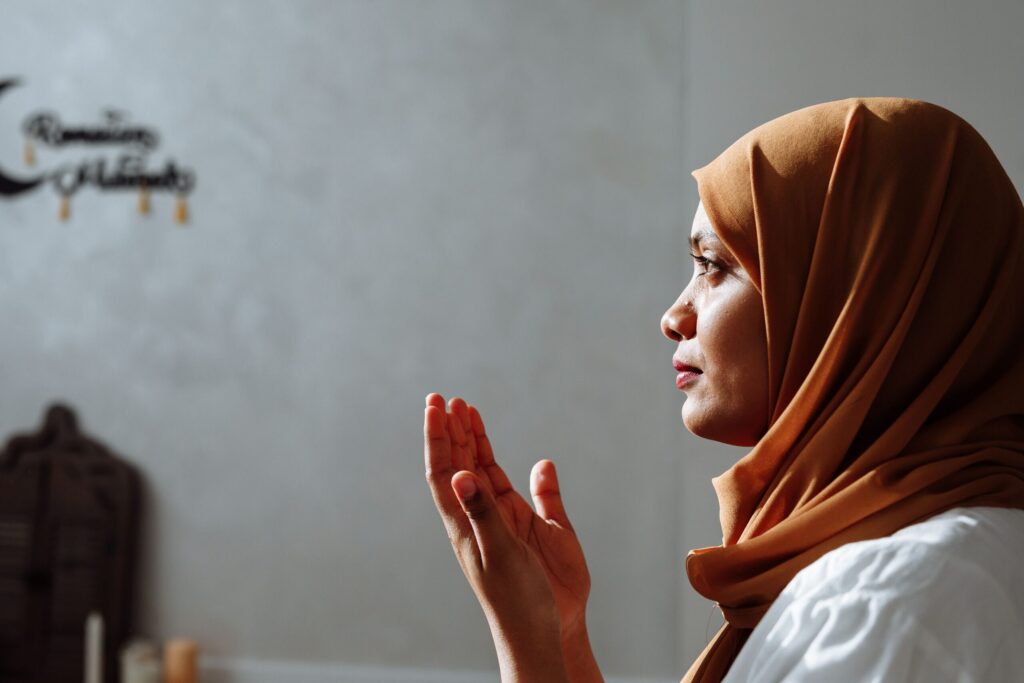
Love, respect and sexuality in the Muslim couple
In the Muslim couple, love, respect and sexuality are encouraged within the framework of marriage. Tenderness, listening and mutual satisfaction are key values.
In Islam, marriage is not just a contract: it is a living union, nourished by affection, understanding and closeness. Spouses are encouraged to express their feelings, support one another and cultivate tenderness in everyday life. Sexuality is not a taboo subject: it is a right and a shared duty, as long as it remains respectful and discreet. Communication and listening are essential to maintain the couple’s harmony and fulfillment. In summary, Islam encourages a balanced married life, with love and respect as its pillars.
The place of love and tenderness (quotes, hadiths)
Love and tenderness hold a central place in the Muslim couple:
- The Quran mentions affection and mercy as the foundations of marriage (Quran, 30:21).
- The Prophet Muhammad set the example through his gentleness and attentiveness toward his wives.
- Hadith: “The believer with the most perfect faith is the one with the best character, and the best among you are those who are best to their wives.”
Love is not just a feeling: it is also a commitment to caring for the other, to talking things through and to sharing tenderness every day.
Tenderness shows itself through simple gestures: a kind word, attentive listening, support during difficult times. Mutual respect and kindness strengthen the couple and help them get through hardships. Religious texts encourage expressing love, forgiving and appreciating the other’s qualities. This approach creates a peaceful atmosphere in which everyone feels valued. In short, love in Islam is what unites, soothes and uplifts the couple. And frankly, a well-placed compliment is always appreciated!
Sexuality and intimacy (rights, duties, limits)
Sexuality has its full place in the Muslim couple, provided it is lived with respect, consent and discretion. Both spouses have the right to fulfill their needs, and the duty to respond to each other’s expectations, within the limits of respect and health.
Forbidden practices are those that harm dignity or health, or that go against religious principles. Dialogue and kindness are essential for a fulfilling intimate life.
Far from being taboo, sexuality is approached with seriousness and delicacy in the Islamic tradition. It strengthens the bond between spouses and helps maintain the balance of the couple. Respect for mutual consent is fundamental: no coercion is tolerated. Discretion is just as important, in order to protect the couple’s intimacy. Spouses are encouraged to speak openly about their expectations and needs, in an atmosphere of trust. In this way, sexuality becomes a space of shared fulfillment, where each person’s satisfaction contributes to family harmony.
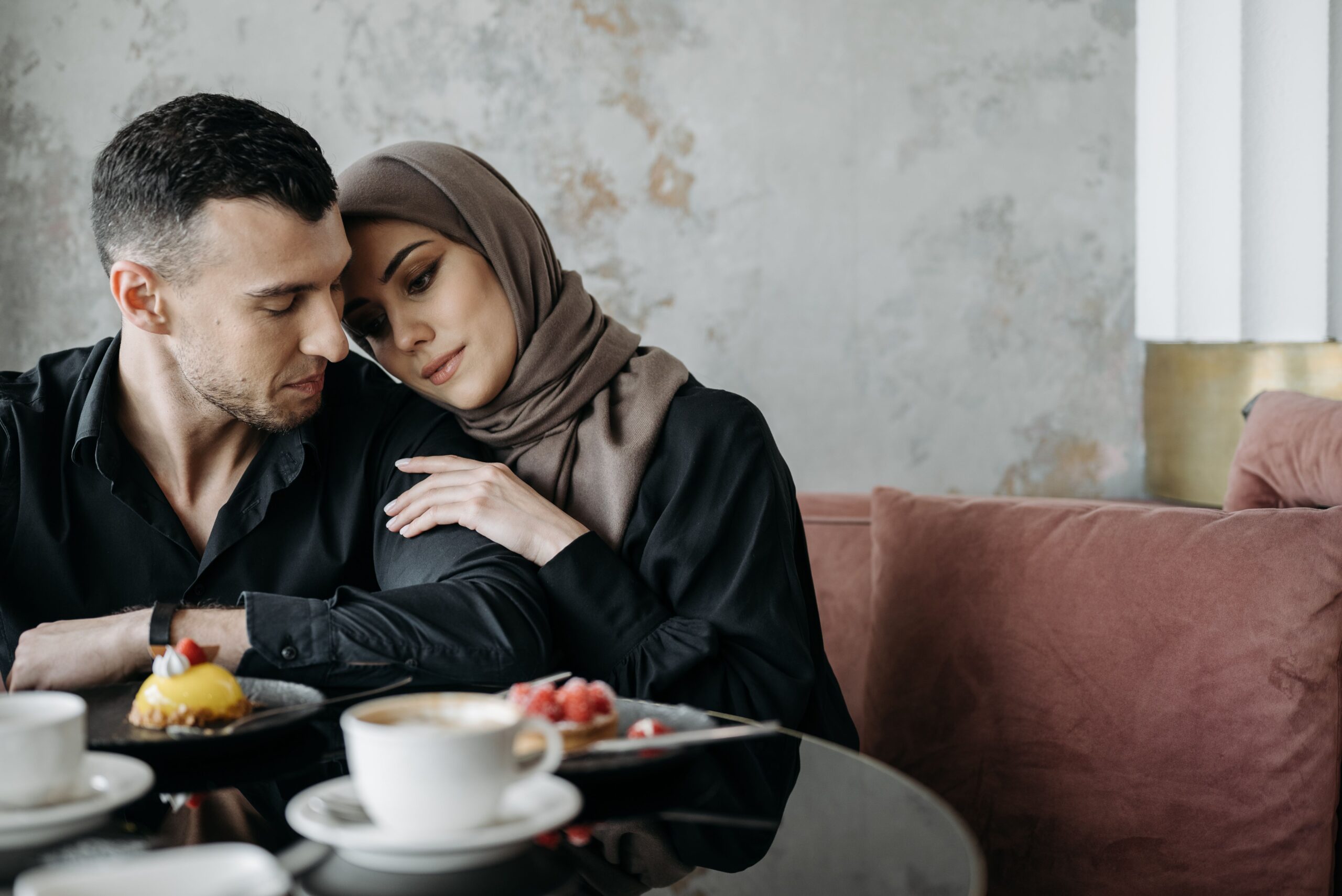
Conclusion
The relationship between men and women in Islam rests on solid foundations: respect, balance, complementarity and shared responsibility. Marriage is the only legitimate framework for love, sexuality and building a family. Outside of marriage, modesty and boundaries are essential to preserve everyone’s dignity. Understanding and applying these rules means living your faith with serenity and creating lasting harmony within the Muslim couple.
FAQ
In Islam, there is no set duration, but it is recommended that spouses meet each other’s needs in order to preserve the harmony of the couple. Dialogue and mutual respect are essential.
Every couple has its own rhythm and its own realities. Communicating openly about this subject helps avoid frustration and misunderstandings, and strengthens the bond between spouses. If difficulties persist, consulting a specialist or a trusted person can help find suitable solutions.
Islam recognizes a spiritual equality between men and women, but sometimes provides for different roles and rights depending on the area. Both are complementary and accountable before God.
This complementarity is not an inequality, but a distribution of responsibilities according to the abilities and needs of each person. What matters most is respecting the dignity and rights of the other, while working together for the fulfillment of the couple and the family. Each person is judged on their actions and intentions, without distinction of gender.
A man has rights, such as respect and fidelity, but he also has duties toward his wife, including protection, kindness and financial support. These rights are balanced by those of the woman.
A man’s rights are never absolute: they always go hand in hand with duties toward his wife and family. This balance allows for a harmonious relationship based on justice, dialogue and solidarity. Mutual respect is the key to a strong marriage.
Marital relations in Islam are based on respect, love and tenderness. Intimacy is encouraged within marriage, with respect for consent and shared pleasure.
In daily life, this means listening, being attentive to one another and resolving conflicts peacefully. Spouses are encouraged to express their affection, to share happy moments as well as hardships, and to build their life together. Kindness and patience are valuable for facing challenges.
Intimate relations, flirting or any physical intimacy outside of marriage are forbidden in Islam. Interactions must remain respectful and in keeping with the required modesty.
These prohibitions protect everyone’s dignity and reputation, and help preserve social stability. Respecting these limits means avoiding ambiguous situations and conflicts. Modesty and these rules foster healthy relationships that are balanced between men and women in society.
Leave a Reply