


Traveling to Palestine is possible, but it can’t be improvised. Here, every trip needs to be prepared carefully: security conditions change quickly, entry procedures vary depending on the access point, and each stage alternates between heritage, spirituality and encounters. This guide gives you clear, up-to-date and very practical information to organize your trip to Palestine with peace of mind.
In brief
- Palestine remains accessible, but you should always check the security situation before booking.
- Entry is mainly through Israel or Jordan, with formalities specific to each route.
- Spring and fall are the ideal seasons to visit.
- The must-sees: East Jerusalem, Bethlehem, Hebron, Jericho, Nablus.
- Traveling in Palestine also means meeting the local culture and enjoying community-minded experiences.
Palestine travel guide: context, access and security
Palestine is accessible to travelers, but it is essential to check the security situation before you leave. Entry formalities vary depending on the access point, mainly via Israel or Jordan. Caution remains necessary, especially in certain areas.
Palestine attracts visitors as much for its history as for its spiritual and human dimension. But before leaving, you really need to follow security news and access conditions closely, as they can change quickly. Entry is most often made via Israel (Tel Aviv airport) or via Jordan (Allenby/King Hussein Bridge). Border procedures depend on your nationality and the crossing point you choose. Be especially vigilant in sensitive areas: caution is part of the journey here.
Before departure, check the official websites for the latest security information. Local situations can change overnight and some crossings may close temporarily. Always plan a backup or an alternative route just in case. Checkpoints and inspections are part of everyday life locally, so adopt a patient and respectful attitude: it makes everything easier.
Finally, despite a sometimes tense context, Palestine welcomes open-minded and well-informed travelers. Those who take the time to listen and follow local guidelines often come home with powerful memories and genuine encounters.
Current situation and security tips
Security in Palestine changes quickly. Before leaving and during your stay, check official recommendations (Ministry of Foreign Affairs, embassies). Some areas, notably around Gaza or in certain parts of the West Bank, may be advised against or temporarily closed. Once there, adopt these habits:
- Follow the local news.
- Avoid gatherings and demonstrations.
- Strictly follow the instructions of the authorities.
- Preferably travel during the day.
Register on the Ariane platform (or the equivalent in your country) to report your presence. Always keep the local emergency numbers and those of your embassy within reach.
In large cities such as East Jerusalem or Bethlehem, life goes on, but stay alert to any official announcement or local advice. Public transportation may be disrupted during special events. Be discreet, avoid photographing sensitive installations and favor busy public places. A little caution lets you fully enjoy the region and its human riches.
How to get to Palestine (access, borders, transportation)
To reach Palestine, there are two main options:
- Via Israel: most travelers arrive at Ben Gurion Airport (Tel Aviv), then reach East Jerusalem or Bethlehem by taxi, bus or shuttle. Checks are systematic when entering the West Bank.
- Via Jordan: the Allenby/King Hussein Bridge connects Amman to Jericho. Watch out for schedules, formalities and possible restrictions.
There are no direct flights to Palestine. Once there, travel is by shared taxi, local bus or with a private driver. Plan your trips in advance and stay flexible.
A few points to remember:
- Check the opening hours of the borders, which may change.
- Expect waiting at checkpoints, especially during religious holidays or tense periods.
- Shared taxis (“service”) are practical and economical.
- Local buses serve the major cities, but schedules are sometimes unpredictable.
- With a group or for more comfort, a private driver is a simple option.
- The main roads are in good condition, but signage may be lacking.
- Always keep your ID documents on you, as checks are routine.
Entry formalities and visa for Palestine
For a short stay, there is no specific Palestinian visa. It all depends on the country of entry:
- Via Israel: Israeli regulations apply. At the border, you will receive a stamp or an entry card.
- Via Jordan: a Jordanian visa is mandatory, plus specific procedures at the Allenby Bridge.
Checks are possible upon entry and exit. Keep your ID documents and travel documents on you.
Practical tips:
- Make copies (paper and digital) of your important documents: passport, insurance, reservations.
- Checks can be more thorough, especially if you are carrying camera equipment or items considered sensitive.
- Certain stamps in your passport may raise questions on the Israeli side: stay calm and answer simply.
- The length of your stay depends on the visa issued by Israel or Jordan.
- For a long stay or a specific project (volunteering, studies…), find out about the procedures well in advance.
- Rules change quickly: check just before departure.
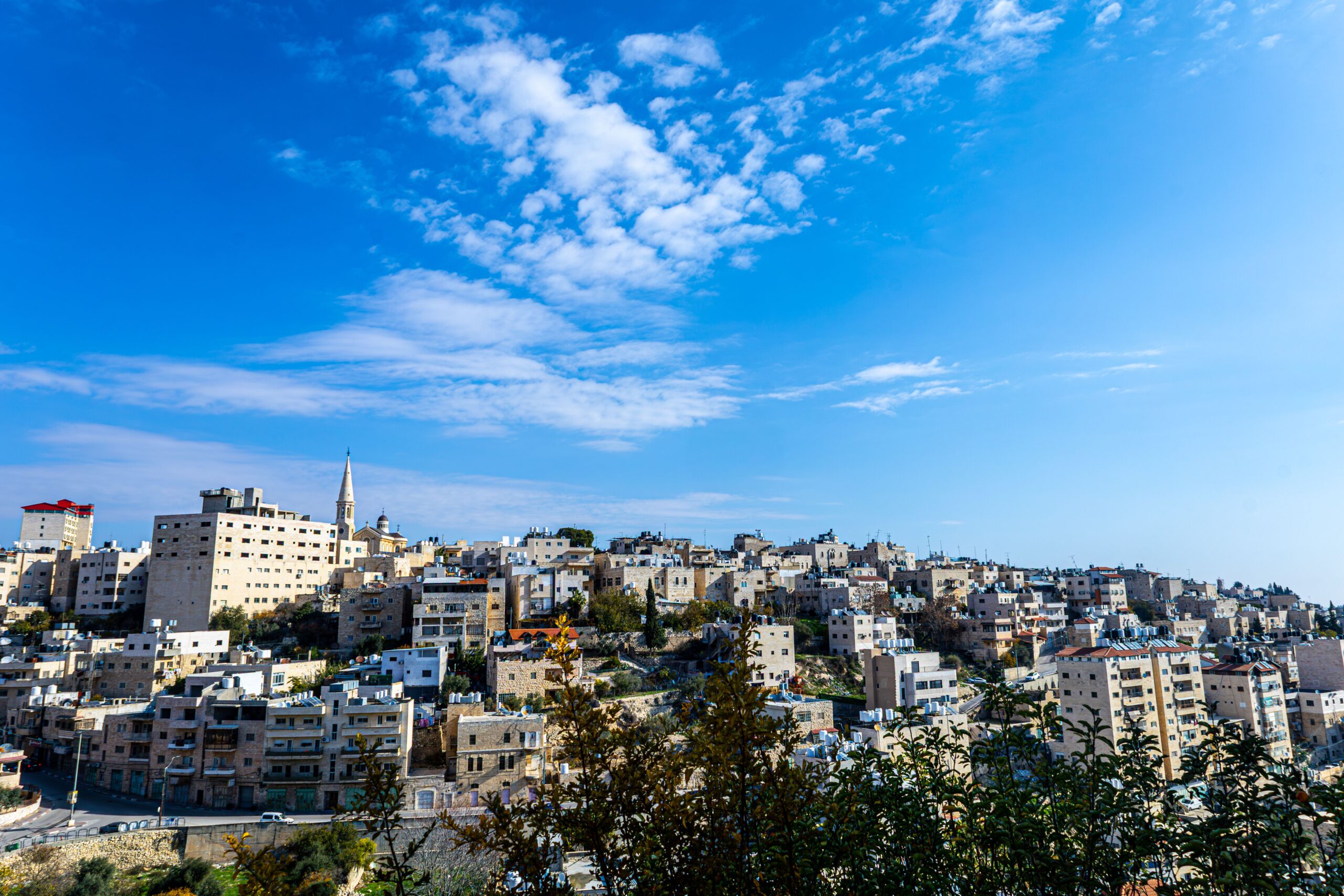
When to go to Palestine? Climate and best times
The best time to travel to Palestine runs from spring to fall, with pleasant temperatures and little rain. Summers can be very hot, especially inland.
Palestine has a Mediterranean climate: mild winters and hot summers. Spring (April-June) and autumn (September-November) are truly the ideal seasons, with perfect temperatures for exploring the sites and enjoying the landscapes. In summer, it can get very hot, especially inland, while winter stays mild, even if some rain is possible.
To make the most of your trip, choose the times when the weather is mildest. Spring brings an explosion of flowers and colors, the temperatures are pleasant and the days grow longer. Autumn, with its temperate climate, invites you to stroll and visit outdoor sites. Summer is lively, but the heat can take you by surprise in the Jordan Valley or in Jericho: remember to slow down and stay well hydrated.
In winter, there are fewer tourists, the atmosphere becomes more intimate and prices are often lower. Be aware: some roads or sites may close temporarily in bad weather. If you are aiming for a period of major religious holidays, book very early and be prepared for crowds!
Seasonal comparison table
| Season | Average temperatures | Rainfall | Main advantages |
|---|---|---|---|
| Spring | 18-25°C | Low | Flowers, mild weather, religious holidays |
| Summer | 25-35°C (or even higher) | Very low | Long days, festivals |
| Autumn | 18-28°C | Moderate | Colors, pleasant climate |
| Winter | 10-18°C | Higher | Fewer tourists, low prices |
This table sums it up: spring is the season of flowers and religious holidays. In summer, expect long days and a festival atmosphere, but it is often very hot. Autumn charms with its mild weather and colors. In winter, you can enjoy the calm and lower prices, as long as you pack a jacket for the rain.
Tip: adapt your schedule to the season. In summer, plan your visits for the morning or late afternoon. In winter, plan indoor activities if needed. An umbrella or a light jacket can always come in handy, even though snow remains rare here.
Religious holidays and events to know about
In Palestine, the calendar is marked by many religious holidays and cultural events:
- Easter (Christian and Orthodox): processions in East Jerusalem and Bethlehem.
- Ramadan: a unique atmosphere in Muslim cities, with adjusted opening hours.
- Christmas: major celebrations in Bethlehem.
- Jewish holidays (Rosh Hashanah, Yom Kippur, Hanukkah): impact on access, especially in Jerusalem.
Always check the dates before planning: some sites are very crowded or temporarily closed.
Taking part in a local celebration means immersing yourself in the atmosphere and religious diversity of the country. During Ramadan, the days are quiet, but the evenings become festive and lively. At Christmas, Bethlehem attracts pilgrims from all over the world. The Easter processions in East Jerusalem are impressive, but you sometimes need to be patient with the crowds.
Jewish holidays can also affect access to certain neighborhoods, especially in Jerusalem. To avoid unpleasant surprises, find out the exact dates and plan alternatives if needed. Don’t hesitate to ask for advice on the spot: locals always know what to see… or what to avoid to keep things peaceful!
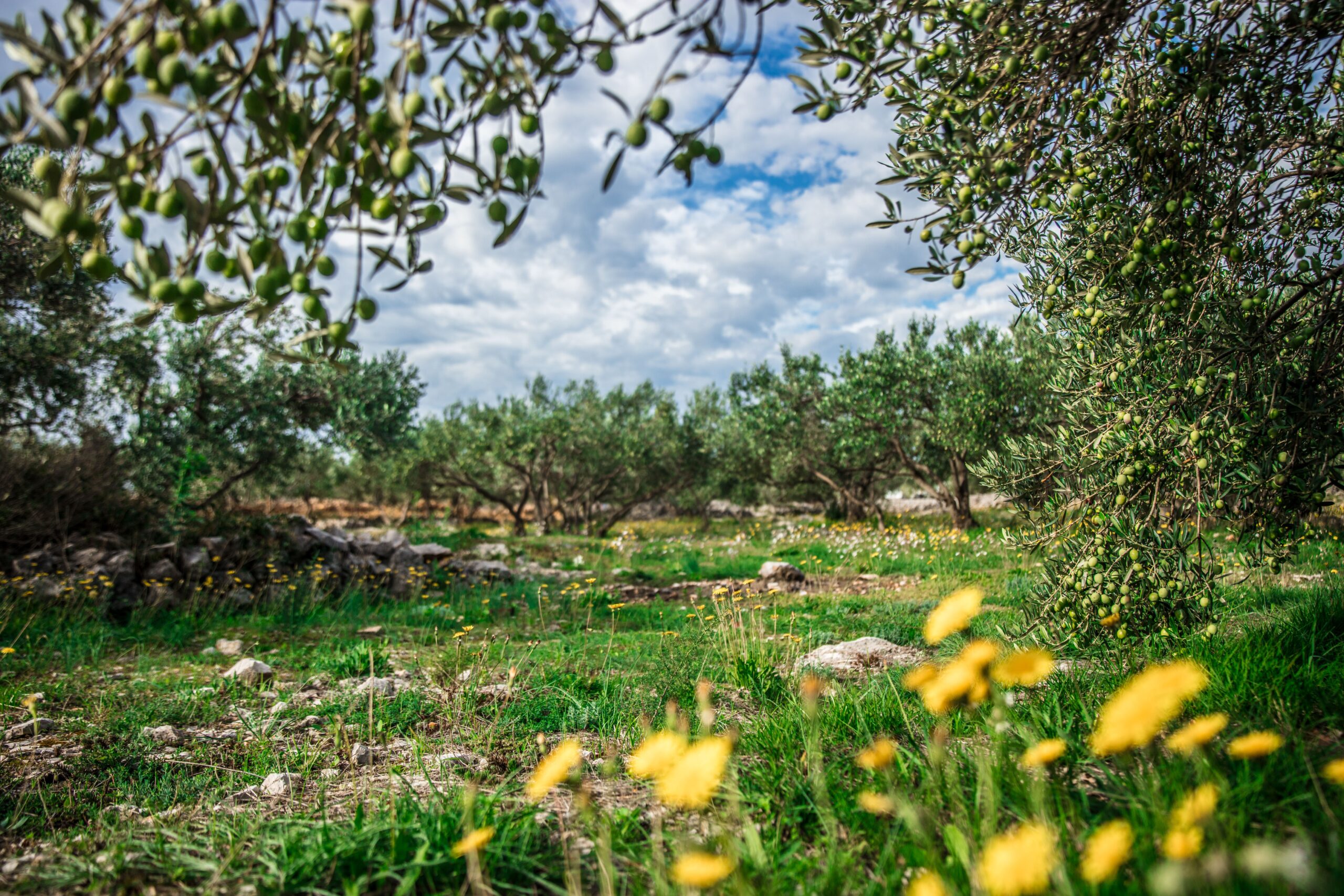
What to see and do in Palestine? Places, itineraries, experiences
> Palestine offers many historical, religious and cultural sites, from East Jerusalem to Bethlehem, Hebron or Jericho. Travelers can also enjoy local and community-supporting experiences.
Palestine is a concentration of heritage, history and encounters. Each city has its own atmosphere: lively markets, archaeological sites, moments of sharing with the locals.
But don’t limit yourself to the major sites! Wander through the narrow streets, taste the local cuisine, and let the atmosphere of the markets carry you along. The landscapes vary between hills, fertile plains, and unexpected oases. A passion for history? Ancient remains are everywhere. Curious about culture? Between museums, performances, and workshops, there is plenty to do.
The diversity of experiences allows everyone to create their own tailor-made journey, whether for spirituality, discovery, or human connection. Spontaneous encounters give a stay a whole different dimension. Get off the beaten path to explore villages or discover local initiatives.
The must-visit places
- East Jerusalem: Old City, Temple Mount esplanade, Western Wall, Via Dolorosa.
- Bethlehem: Church of the Nativity, old center, street art.
- Hebron: Tomb of the Patriarchs, Old City, craft workshops.
- Jericho: archaeological site, Mount of Temptation, oasis.
- Nablus: Old City, souks, artisanal soap factories.
- Ramallah: cultural center, museums, nightlife.
- Qalqilya, Tulkarm: markets, farms, rural life.
Each place has its own style. In East Jerusalem, religious diversity can be discovered at every street corner. Bethlehem offers a blend of spirituality and modernity, with street art murals and lively cafes. Hebron invites you to discover its crafts, especially glassware and ceramics.
Jericho, one of the oldest cities in the world, surprises with its oasis and its remains. Nablus is the capital of traditional soap and sweet pastries. Ramallah, more modern, charms with its cultural scene and its restaurants. Finally, Qalqilya and Tulkarm immerse you in agricultural life and village traditions.
At every stop, chat with the locals, stroll through the markets, and try the specialties. Local guides often share anecdotes and fresh perspectives.
Itinerary ideas based on the length of your stay
| Length of stay | Suggested itinerary |
|---|---|
| 2-3 days | East Jerusalem – Bethlehem – day trip to Hebron or Jericho |
| 5-7 days | East Jerusalem – Bethlehem – Hebron – Jericho – Nablus – Ramallah |
| 10 days and more | Full circuit: major cities + villages, immersion in the Jordan Valley |
Each itinerary adapts to the current security situation and to your own interests.
For a short stay, focus on East Jerusalem and Bethlehem, with a side trip to Hebron or Jericho. For a week, add Nablus and Ramallah for a broader view.
With more time, immerse yourself in the villages, the Jordan Valley or rural areas to discover other ways of life and take part in farming or craft activities. Always stay flexible: schedules and access can change. And don’t hesitate to ask the locals, they know the best tips of the moment!
Local experiences and encounters
Traveling in Palestine also means:
- Sharing a meal at a local’s home or with an association.
- Discovering the local cuisine: hummus, maqluba, pastries…
- Trying a craft workshop: Nablus soap, ceramics, embroidery.
- Visiting farms, cooperatives or community projects.
- Learning the dabke, the traditional dance, at a local celebration.
Conversations with the locals are often the best memory of the trip.
For an even richer experience, favor moments of sharing: a family meal, a cooking workshop or a visit to a craftsperson. Markets are ideal for chatting, tasting and observing local life. Community projects help you understand the issues facing the country and support concrete initiatives.
The dabke, a traditional dance, brings celebrations to life in a friendly atmosphere. Even if you’re not a dancer, give it a try: here, it’s the spirit that counts! And when it comes to treats, leave a little room in your suitcase for some sweets or handmade souvenirs.
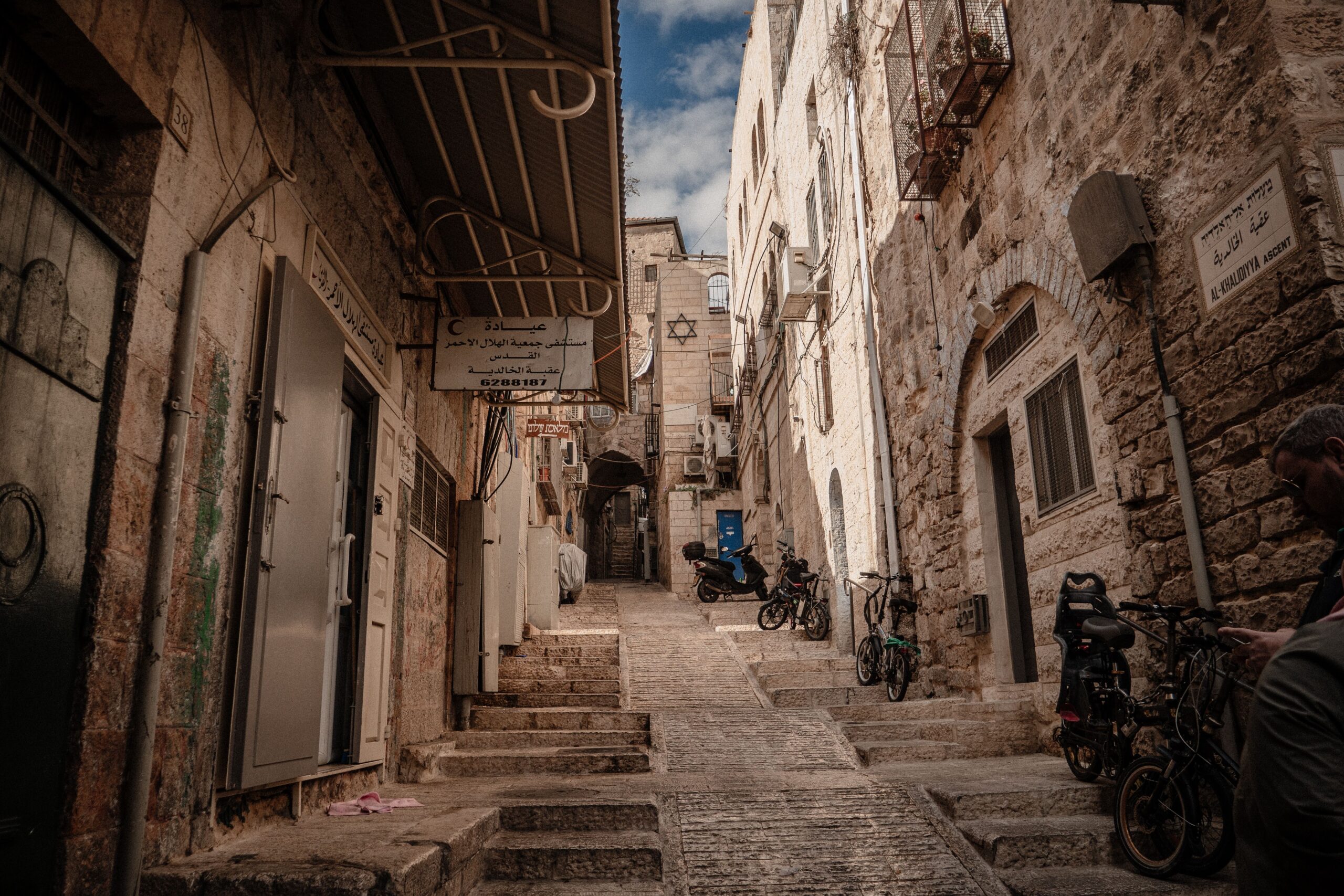
Practical tips for traveling in Palestine
Preparing a trip to Palestine means finding out about health, currency, transportation and local customs. A few precautions make the stay and your interactions on site easier.
A trip to Palestine takes preparation. A few well-targeted tips help you avoid surprises and make the most of your stay.
Before you leave, learn about customs and local etiquette. Opt for respectful attire, especially in religious places: it makes contact easier and shows that you respect the culture. A first-aid kit and a few basic medications are always useful, as some pharmacies don’t have everything in stock.
Remember to plan your cash needs: bank cards aren’t accepted everywhere. Check the schedules of shared taxis or buses, which sometimes vary. Finally, patience is your best ally: here, the unexpected is part of the journey.
Health, insurance and precautions
- Check that your insurance covers you in Palestine and the Palestinian territories.
- Slip a first-aid kit into your luggage.
- Tap water is not always drinkable: prefer bottled water.
- Follow hygiene rules, especially at the market or in restaurants.
- See a doctor before leaving for the recommended vaccinations.
Also remember to bring medication for digestive issues, bandages and disinfectant. Pharmacies are found in cities, less so in villages. If you are on a treatment, bring a reserve supply and keep your prescription.
The local cuisine is varied and delicious, but choose well-cooked foods and always wash fruits and vegetables. If you have an allergy or a special diet, learn a few words to make yourself understood. If you have a health problem, contact your insurance promptly to find out which facilities are recommended.
Currency, budget, cost of living
- The main currency is the Israeli shekel (ILS), but the Jordanian dinar and the US dollar may sometimes be accepted.
- Always carry cash, especially outside the big cities.
- ATMs are common in cities.
- Bank cards are accepted in some hotels and restaurants, but not everywhere.
To manage your budget, alternate between cash and bank card. ATMs are reliable in cities, but rare in the countryside. Withdraw enough before leaving a big city.
Prices vary by region and season, but living remains affordable. Markets are the perfect place to buy at a good price, and small restaurants or meals at a local’s home are inexpensive. Always ask the price before buying or getting into a taxi!
Keep a small reserve of dollars or euros, but favor the local currency to avoid complications.
Getting around and accommodation
- Shared taxis (“service”) and local buses are the most commonly used means of transportation.
- Hiring a private driver is possible for more comfort.
- The range of accommodation goes from hostels to family-run hotels, including guesthouses and community lodgings.
- Remember to book in advance during holidays or events.
- Stay flexible: schedules and itineraries can change quickly.
To get around, ask your accommodation or the tourist office for schedules and departure points. Shared taxis leave when they are full, so be patient! Buses serve the big cities, but connections are not guaranteed.
As for accommodation, there is something for every taste: friendly hostels, family-run hotels, guesthouses, community lodgings. During holiday periods, book early: crowds can be heavy. Some accommodations offer meals or activities, perfect for immersion.
Flexibility is key: changing schedules, modified itineraries… but every unexpected event is an opportunity to discover something new.
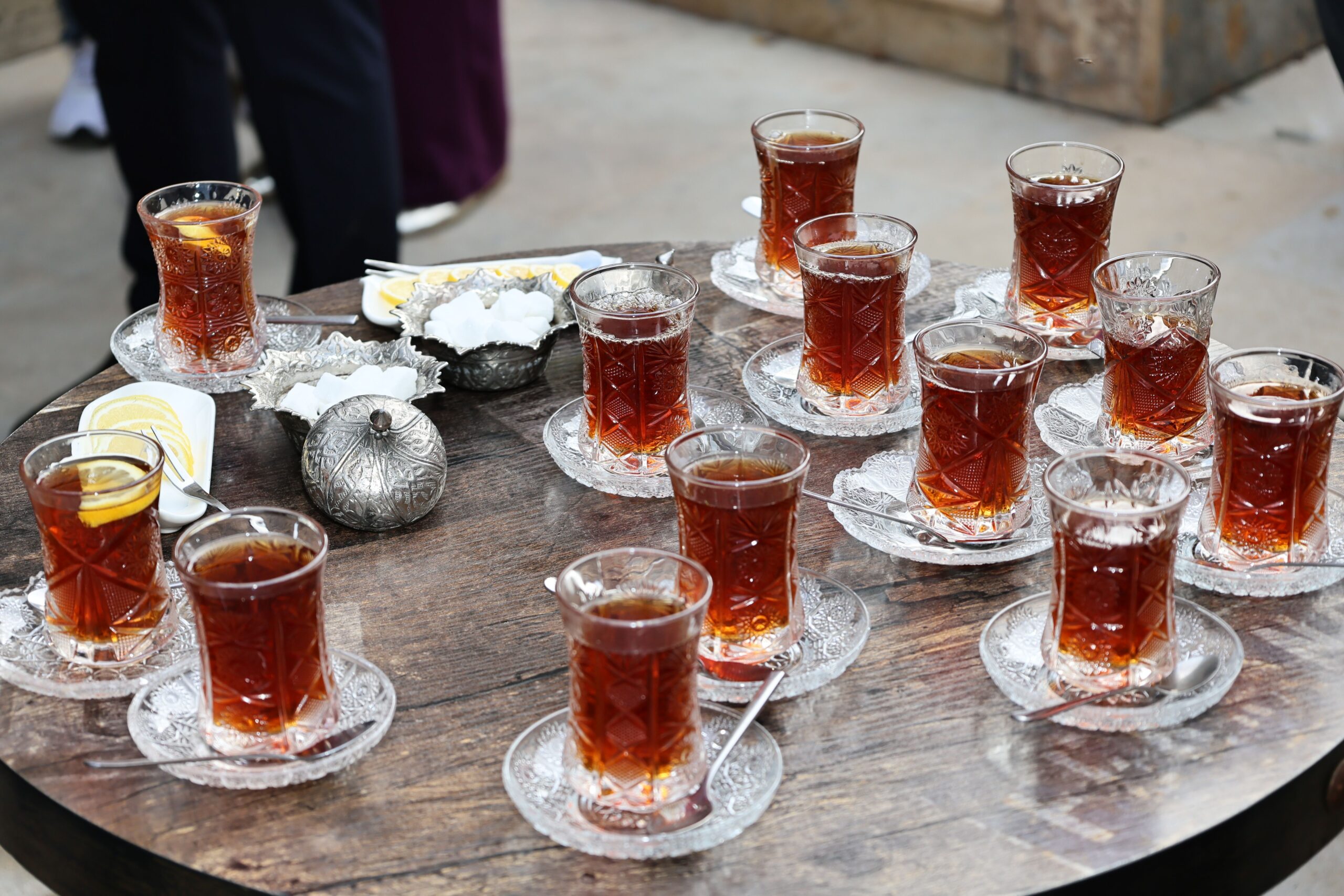
Traveling differently: community-based tours and testimonials
There are community-based and immersive trips in Palestine, allowing you to meet the people and better understand local realities. Traveler testimonials provide concrete insight into the lived experience.
Want to step away from classic tourism? Palestine offers community-based tours, association-led or immersive. Here, the focus is on encounters, exchange and understanding local realities.
A solidarity trip is a chance to get involved, support local projects and experience everyday Palestinian life, far from stereotypes. These stays let you discover the area firsthand, talk with committed local people and contribute, in your own way, to the local economy.
Immersive stays offer workshops, farm visits and participation in educational or environmental projects. You come away with a more nuanced view and a real understanding of local issues. And quite often, you build lasting connections… and a few memorable moments!
Solidarity and community-based tours
- Several associations and agencies offer solidarity trips, focused on meeting local people, discovering local projects or getting involved on the ground.
- These tours often include visits to cooperatives, craft workshops, shared meals and meetings with local people.
- The goal: travel responsibly, support the local economy, see Palestine differently.
Before choosing, find out about the values and local partners. Programs vary: some focus on agriculture, others on culture or education. Groups are small, which encourages conversation.
Taking part in an embroidery workshop, visiting a soap factory, sharing a meal at a farm: all of these are ways to understand daily life and local challenges. These experiences also help to concretely support local initiatives.
Traveling with a purpose means being willing to step out of your comfort zone, keep your eyes wide open… and sometimes laugh at the unexpected!
Recent traveler testimonials
Travelers emphasize:
- The warm welcome and generosity of the people.
- The richness of the exchanges, even in a sometimes complicated context.
- The emotion of the religious and historical sites.
- The importance of staying flexible when things don’t go as planned.
- The need to stay informed in real time about the local situation.
These accounts show that a trip to Palestine remains a powerful and authentic experience.
Many mention their surprise at feeling safe in the big cities, far from preconceived ideas. Spontaneous encounters, invitations to share a coffee or a meal, and mutual curiosity leave a lasting impression. Listening and respecting cultural differences are essential to getting the most out of the trip.
The unexpected is part of the experience: a change of plans, a closed site, modified schedules… but these twists often lead to unique moments, far off the beaten path. Finally, everyone stresses the same thing: stay informed regularly, adapt your plans, keep an open mind. A smile and a positive attitude open many doors, even in the rain!
Conclusion
Traveling in Palestine is possible, and above all it is a one-of-a-kind experience: history, spirituality and encounters all intertwine here. For a successful stay: find out about safety, prepare your documents, stay flexible and open to surprises. Palestine awaits you with its major sites, its living culture and the welcome of its people. A journey that leaves no one indifferent.
FAQ
Yes, traveling to Palestine is possible, provided you check the security situation before departure. Access is mainly via Israel or Jordan, with border checks.
For a short stay, no specific Palestinian visa is required. Entry is through Israel or Jordan, each with its own visa and checkpoint rules.
The must-sees are East Jerusalem, Bethlehem, Hebron, Jericho and Nablus. Each city offers a rich history, religious sites and memorable cultural experiences.
Spring (April-June) and fall (September-November) are the most pleasant times, with mild temperatures and little rain.
People mostly get around by shared taxi, local bus or with a private driver. It’s best to plan your trips in advance and stay flexible depending on the situation on the ground.
Leave a Reply