


Caring for a mastour set is mostly about simple habits: washing at 30°C, gentle detergent, air drying, light ironing. These habits protect the color, shape and quality of your outfit. We explain everything, step by step, to keep your mastour set looking perfect, with no hassle.
In brief
- Always check the care label before washing your mastour set.
- Wash at 30°C maximum with a gentle detergent, separating colors.
- Prefer air drying and iron at a low temperature if needed.
- Avoid washing too often and avoid the dryer to preserve the quality of the fabric.
Checking the care instructions for your mastour set
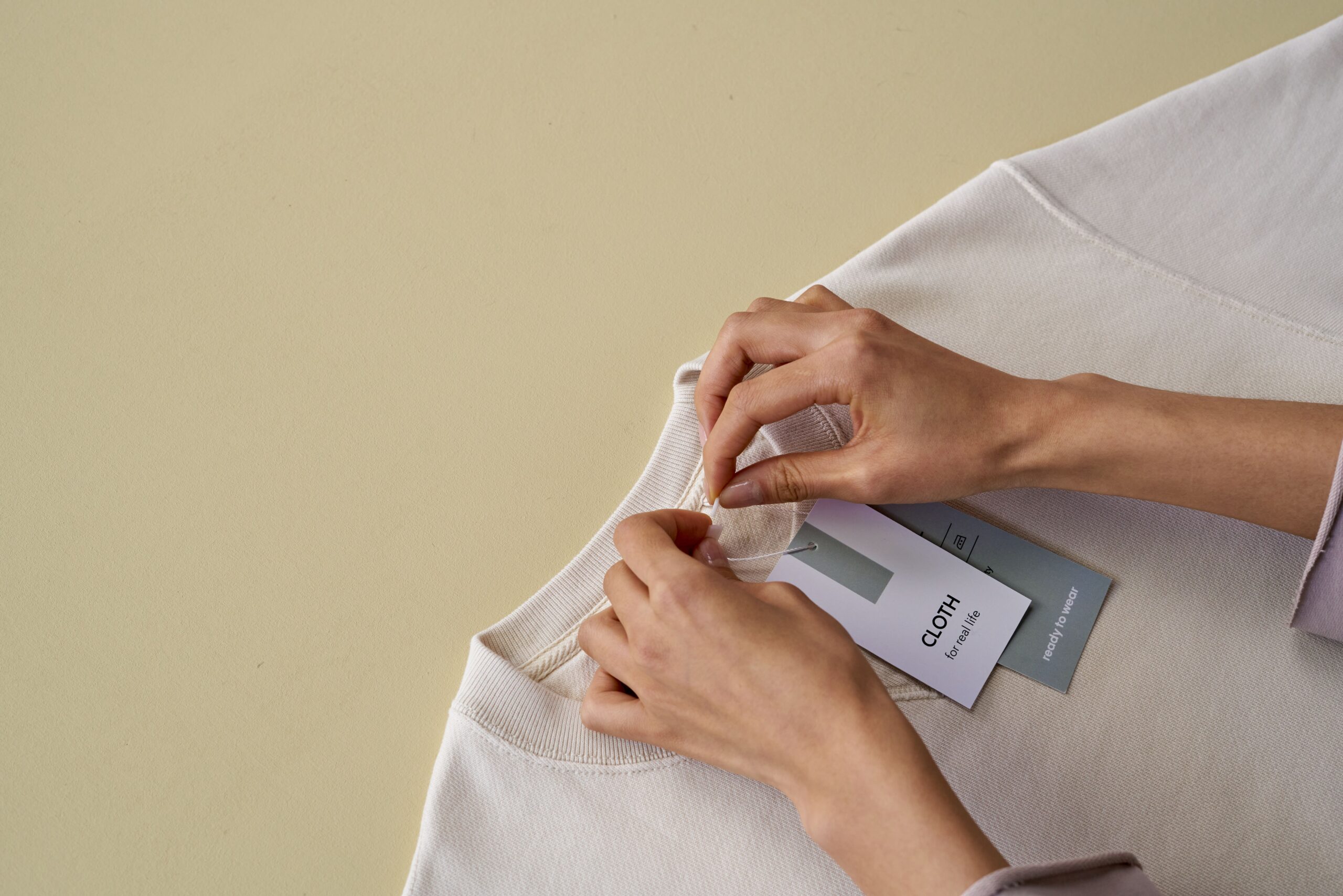
Before each wash, take a look at the label of your mastour set: it gives you all the manufacturer’s recommendations, from washing to ironing, including drying.
Taking the time to read the instructions helps you avoid mistakes that damage or misshape a mastour set. The label specifies the washing temperature, the type of detergent, and drying and ironing advice depending on the fabric (polyester, cotton, viscose, etc.). One quick glance, and you can immediately adapt your care routine to the material.
For each fabric, the right method really makes a difference. A blend with elastane calls for a gentle spin, while viscose sometimes prefers hand washing or a mesh bag to avoid snags. If the label is illegible or has been removed, stick to the basics: delicate cycle, low temperature, gentle products. And if in doubt, look up the symbols online or ask the dry cleaner for advice. Better safe than sorry with a shrunken or faded set. The instructions are there for a reason: following these little reminders means investing in longevity.
Where to find the instructions on the label?
The care instructions are sewn inside the garment, often on the side seam or near the collar. No need to search for long: look for the universal symbols (wash tub, iron, drying square).
If the label isn’t where you expected, also check the sleeves or the hem of the garment. Some models hide the label in discreet spots for extra comfort. Take the time to read each symbol, especially if there are several layers or linings. If the label is faded or cut out, keep it aside or take a photo: it makes life easier at the next wash.
What do the common symbols mean?
- Wash tub with a number: maximum washing temperature (e.g., 30°C)
- Crossed-out triangle: no bleaching agent
- Square with crossed-out circle: no tumble dryer
- Iron with one dot: iron at a low temperature
A quick look at the symbols, and you avoid unpleasant surprises.
Other pictograms can help you: a circle means dry cleaning is possible, a crossed-out circle prohibits it. Three vertical lines in a square = dry flat, perfect for sensitive fabrics. Crossed-out iron? No ironing at all. These symbols are universal, so even if the label is in English or Chinese, you can still make sense of it. And if any doubt remains, always choose the gentlest setting.
How to wash a mastour set without damaging it
Wash your mastour set at 30°C maximum, with a gentle detergent, and separate the colors. A delicate cycle protects the fibers and prevents misshaping.
Washing remains the most delicate step in keeping a mastour set in good shape. Too hot or too harsh, and the fabric dulls, shrinks or loses its shape. That’s why it pays to sort colors, choose a delicate program and limit the spin.
Turn your set inside out before putting it in the machine; it protects the patterns and details. For fragile or embellished pieces, a laundry mesh bag is your best ally. Don’t overdo the spin: too fast, and it stretches the fibers. Don’t overload the machine; leave room for a gentle wash.
If your set has embroidery, beads or lace, hand washing in lukewarm water with a gentle detergent remains the best option. Rinse well afterward, and gently press the fabric without wringing it.
At what temperature should you wash a mastour set?
30°C is the ideal temperature for washing a mastour set. It protects the fibers and prevents fading and shrinking, especially for delicate or synthetic fabrics.
Washing at a low temperature is good for the planet and for your clothes. If a stain resists, treat it directly before washing rather than raising the temperature. Modern fabrics are made for cold or lukewarm water: you don’t need more for a clean result without damaging your outfit.
Which products and detergents should you use?
Opt for a gentle detergent, without bleaching agents or harsh additives. Detergents for delicates or colors are ideal. If the fabric is fragile, avoid fabric softener.
Liquid detergents are preferable: they dissolve better at low temperatures and leave fewer residues. For natural materials, try a detergent made for wool or silk. For synthetic fabrics, a detergent for colors is more than enough. Avoid strong stain removers or bleach, which are too harsh. If you like lightly scented laundry, choose a natural softener or wash balls, but use them sparingly.
Should you separate colors?
Yes, always separate light and dark colors to prevent color transfer. Wash dark mastour sets together, and light or pastel shades separately.
Separating colors keeps the fabrics vibrant and helps you avoid mishaps (nobody wants a white set that turns pink!). During the first washes, highly colored pieces may bleed: it’s best to wash them on their own. Color-catcher sheets are handy if you’re short on time, but they remain only a temporary solution. Also remember to empty the pockets before washing, to avoid tissues sticking to your clothes.
Temperatures and products suited to each fabric
| Main fabric | Recommended temperature | Type of detergent | Additional tip |
|---|---|---|---|
| Polyester | 30°C | Gentle/color detergent | Delicate cycle, gentle spin |
| Cotton | 30°C | Gentle detergent | Turn the garment inside out |
| Viscose | 30°C | Special detergent | Wash in a mesh bag if possible |
This table serves as a simple memo to adapt your routine to the fabric. Handy to keep near the machine!
-
Bestseller-25 %

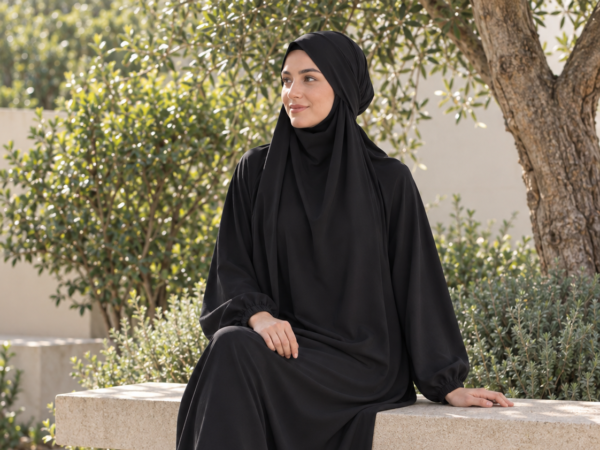
Jilbab with hood and long skirt
Original price was: 48,00 €.36,00 €Current price is: 36,00 €.Select options This product has multiple variants. The options may be chosen on the product page -
Bestseller-11 %

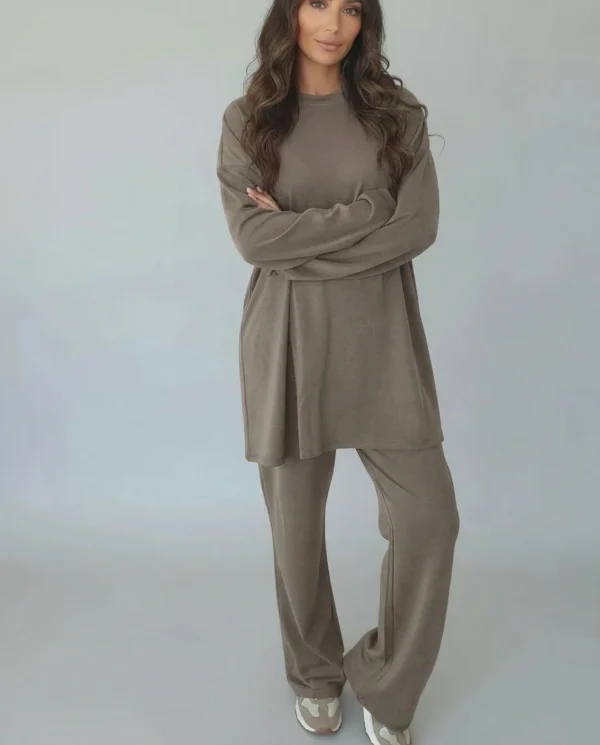
Tenue de sport Femme Voilée – Haut Ample et Pantalon Fluide – Couleur Taupe
Original price was: 32,40 €.28,80 €Current price is: 28,80 €.Select options This product has multiple variants. The options may be chosen on the product page -
Our pick-11 %

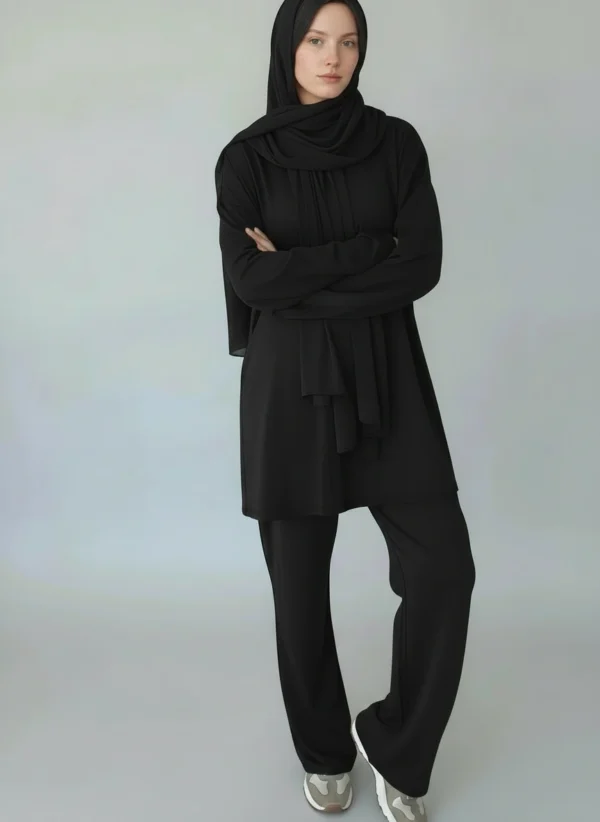
Tenue de sport Femme Voilée – Haut Ample et Pantalon Fluide – Couleur noire
Original price was: 32,40 €.28,80 €Current price is: 28,80 €.Select options This product has multiple variants. The options may be chosen on the product page

Drying and ironing your mastour set: the right steps
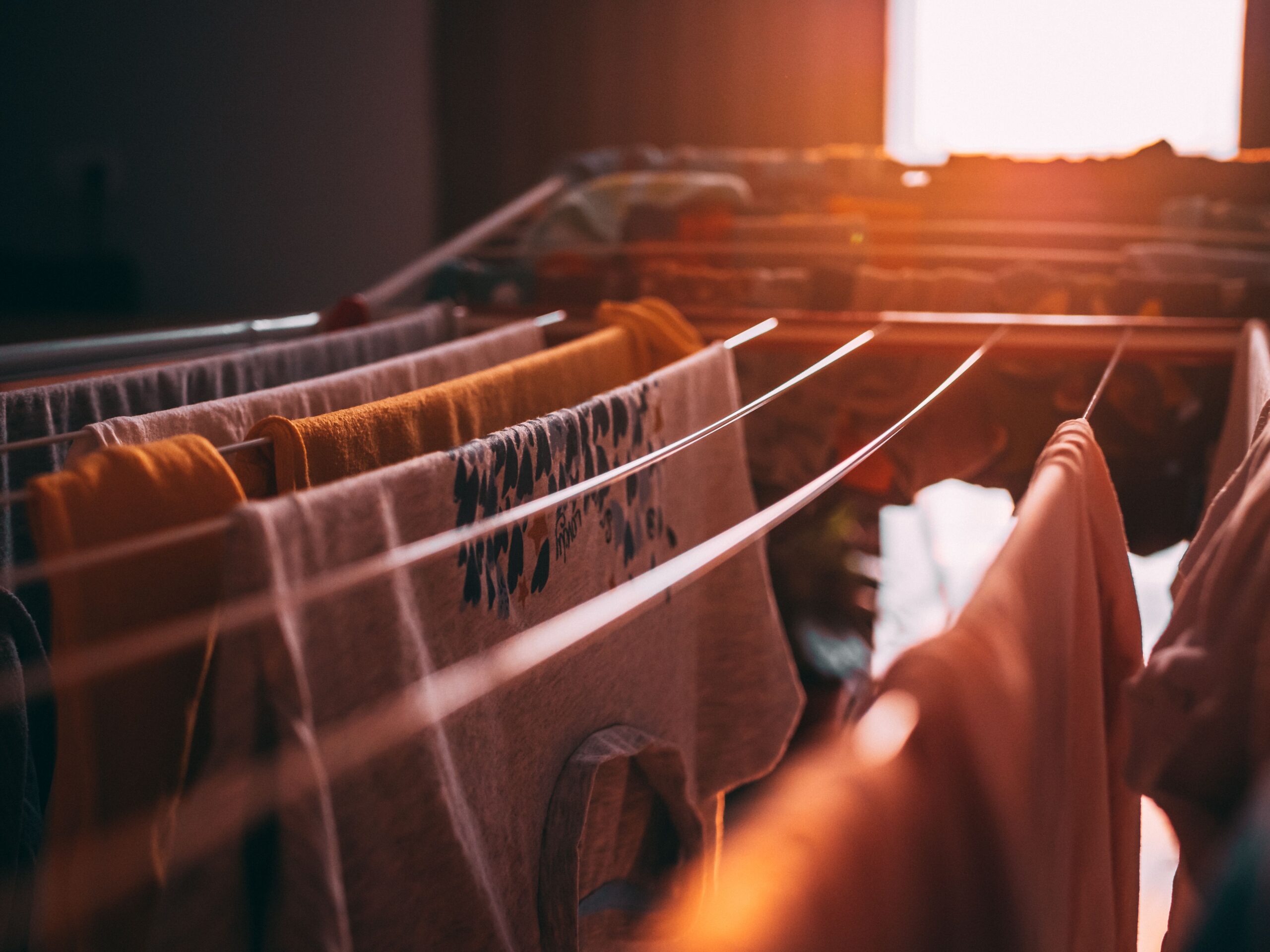
Dry your mastour set in the open air, away from direct sunlight, to prevent shrinkage. If needed, iron at a low temperature following the care label.
Drying and ironing are two steps where damage can happen quickly if you’re not careful. Air drying is the ideal option: a tumble dryer can warp or shrink the set. When ironing, avoid high temperatures, which leave marks or scorch the fabric.
After washing, gently shake out your set to restore its shape. Don’t hang heavy pieces by the shoulders, as this warps them. For delicate or stretchy fabrics, flat drying is great. If you’re short on space, a wide hanger will do, as long as it doesn’t mark the fabric. For ironing, wait until everything is completely dry and, if needed, lightly dampen the fabric to make smoothing out wrinkles easier.
Air drying or machine drying?
Air drying is the best choice. Lay the set on a hanger or flat, away from direct sunlight to prevent fading. The tumble dryer is a no: it promotes shrinkage and wears down the fibers.
Air drying keeps the fabric soft and supple. If you need to dry several sets, space them out so air can circulate. If it’s raining, dry indoors near an open window, never on a radiator. The result: no odors, no warped garments, and fibers that last longer.
Tips to prevent shrinkage
- Never wring the garment to remove water.
- Dry flat or on a hanger, never bunched up.
- Avoid any direct heat source (radiator, strong sun).
A little extra: smooth the fabric with your hands before drying to limit creases and make ironing easier. For fabrics that lose their shape, flat drying on a clean towel is best. If your set is knit, avoid hanging it while wet: it could stretch out.
Ironing: temperature and precautions
Iron at a low temperature, on the “delicate” setting. If the fabric is fragile, place a clean cloth between the iron and the garment. Always check the care label before ironing.
For synthetic or blended fabrics, steam is your friend for removing wrinkles without direct contact. If your iron has an “anti-shine” function, turn it on to avoid marks on dark fabrics. For lace or embroidery, iron on the reverse side or skip the iron altogether. And above all, never leave the iron resting on the fabric, even for a second: it’s unforgiving.
Tips for keeping your mastour set in good condition for a long time
Wash your mastour set only when necessary, limit the number of washes, and store it away from light. A few simple steps are enough to keep the color, shape and fabric quality intact.
A few good habits are enough to extend the life of your mastour set: limit machine washes, avoid harsh products, and store the garment properly. Gentle care keeps the cut and color looking like new.
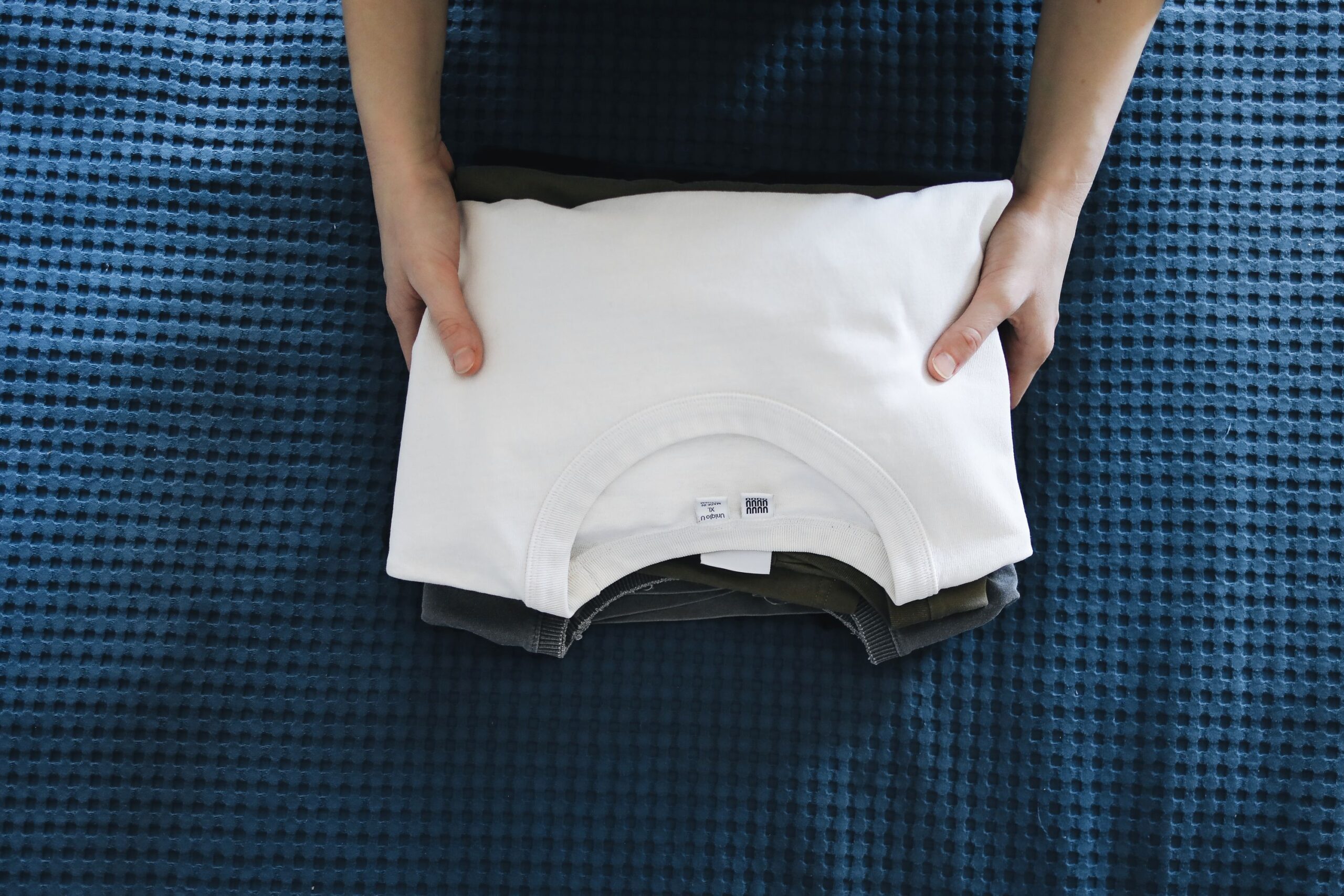
After each wear, inspect your set. Sometimes a simple dry brushing or a pass with the steamer is enough to freshen it up. Store it on a hanger in a ventilated closet to prevent creases and warping. If you fold it, slip tissue paper between the layers to keep its shape. Breathable fabric garment bags are preferable to plastic covers, which encourage moisture.
For sets worn only occasionally, air them out from time to time to keep the fibers from sagging. Watch for small snags or pulled threads, and repair them quickly before they get worse. Preventive care is the key to keeping your mastour set impeccable, season after season.
How often should you wash your mastour set?
Wash your mastour set only when it is really dirty. Washing after every wear isn’t necessary, except in case of a stain or perspiration.
If your mastour set is reserved for special occasions or worn indoors, a simple steam refresh or airing out is usually enough. Breathable fabrics let you space out washes without worrying about odors. If in doubt, check the sensitive areas (collar, cuffs) and treat them locally. This method preserves the color and the fabric’s hold for longer.
Tips for preserving colors and shape
- Turn the garment inside out before washing.
- Use a laundry bag for delicate fabrics.
- Store the whole set on a hanger to avoid noticeable creases.
- Protect it from prolonged exposure to light.
Another tip: avoid hangers that are too thin, as they leave marks on the shoulders; choose wide or padded hangers instead. If you store your set folded, change its position from time to time to avoid stubborn creases. And to protect the colors, never leave your mastour set to dry or rest in direct sunlight, even behind a window.
Recap of mistakes to avoid
- Washing at more than 30°C.
- Mixing light and dark colors.
- Using a harsh detergent or bleach.
- Drying in the dryer.
- Ironing at too high a temperature.
- Washing too frequently when it isn’t necessary.
Keep this list in mind to avoid the classic pitfalls. With a few good habits, your mastour set will stay in top shape, wash after wash.
Conclusion
Caring for a mastour set is above all about being gentle: washing at 30°C, suitable products, air drying, light ironing. By following these simple steps and the care instructions, your mastour sets stay beautiful and comfortable for longer, with no unpleasant surprises.
FAQ
Most mastour sets can be washed at 30°C to preserve the fibers and colors. Remember to check the label before each wash.
It’s best to air-dry a mastour set to prevent it from shrinking or losing its shape.
Choose a gentle detergent without bleaching agents so you don’t damage the fabric or dull the colors.
Wash your mastour set only when it is dirty, and avoid washing it too frequently to preserve the quality of the fabric.
Wash it at a low temperature, dry it flat or on a hanger, and avoid the dryer to keep its original cut.
Leave a Reply