


The fajr prayer is a bit like the starting signal of the day for millions of Muslims. It is the very first of the five obligatory prayers, and it truly has a place of its own: early in the morning, discreet, yet central to spirituality. Here we lay out the basics so you can approach it calmly, without stress and without getting lost in the details.
What is the fajr prayer?
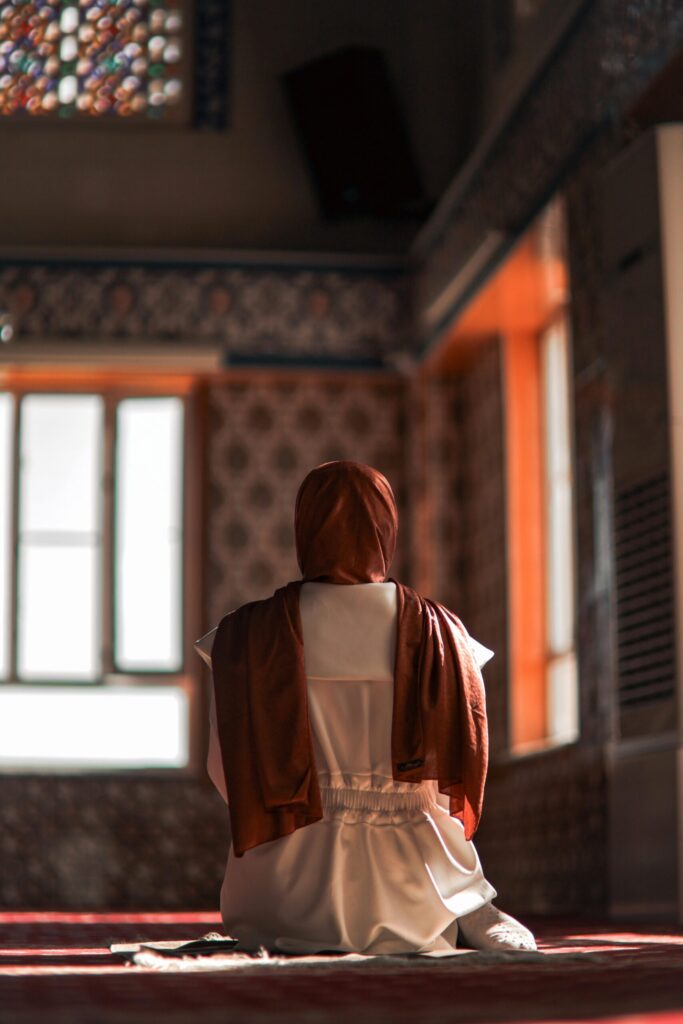
The fajr is the first prayer of the day in Islam. It is performed at dawn, before the sun rises. It is often a quiet moment, away from the noise, that marks a true beginning under the sign of spirituality.
This early-morning appointment has a unique place: it invites you to get up before everything gets busy, in a peaceful atmosphere. Between night and day, there is an atmosphere conducive to meditation and concentration. Dawn is also a symbol of a fresh start, a chance to renew your intentions and place your day in God’s hands.
Performing the fajr also means joining a tradition shared all over the world. Even though the prayer is short, it takes real discipline: getting out of bed, purifying yourself, facing Mecca and focusing. This small ritual gives structure to the day and is a reminder of the importance of consistency in faith.
Fajr and Sobh: what is the difference?
In practice, “fajr” and “sobh” refer to exactly the same prayer. “Fajr” refers to dawn, that light appearing on the horizon, while “sobh” simply means “morning.” Depending on the country or habits, one or the other is used, but there is no difference in the way of praying.
Whether you see “fajr” or “sobh” on a calendar or an app, it is the same prayer. This double vocabulary simply reflects the diversity of cultures and languages within the Muslim community. Nothing more, nothing less.
Why is the fajr prayer important?
The fajr is truly the prayer that sets the tone. It requires a particular effort: getting up early, sometimes when everyone else is still asleep. Many hadiths highlight its merits. It symbolizes discipline, connection with God from the moment you wake up, and it protects against spiritual complacency.
Performing the fajr means choosing to put spirituality first, before starting the day. This moment invites reflection, gratitude and humility. There are specific spiritual rewards mentioned in the texts. But beyond that, the fajr reminds us every morning of the importance of constancy and regularity in practice.
Fajr prayer times: start, end, examples
The fajr times are tailor-made: they depend on sunrise, which changes every day and from city to city. That is why it is important to check regularly.
The fajr has a very precise window:
- Start: first light on the horizon, “true dawn”
- End: sunrise
Depending on the season and the city, the times shift. An up-to-date prayer calendar or a reliable app is ideal to avoid mistakes.
Today, there are plenty of handy tools (apps, notifications) so you don’t miss the window, especially when times change quickly (hello, spring and fall). Be sure to check especially if you travel or change time zones.
What time does the fajr start?
The fajr begins at the very first white glow crossing the horizon, before the sun appears. This is what is called “true dawn.” Prayer calendars list this moment as “fajr” or “dawn.”
A small technical point: do not confuse it with the “false” dawn, a vertical glow that can appear a little earlier. True dawn, on the other hand, spreads out horizontally. If it is hard to spot where you live, the times from local mosques or specialized apps remain the best reference.
Until what time can you pray the fajr?
The limit is simple: sunrise. As soon as the sun’s disk appears, the fajr time is over. It is therefore advisable to pray as soon as possible after dawn, to avoid any last-minute stress.
Putting it off until the last minutes is not ideal: the risk of forgetting or missing the time increases. If in doubt, it is better to pray a little earlier. Tip: an alarm a few minutes before sunrise can save the day.
Examples of times by city
Here are a few examples for guidance (to be adapted according to the date):
| City | Fajr start | Sunrise |
|---|---|---|
| Paris | 06h12 | 08h24 |
| Lyon | 06h05 | 08h15 |
| Marseille | 05h58 | 08h05 |
| Lille | 06h18 | 08h28 |
The times change every day! Be sure to check an up-to-date calendar or app.
To avoid surprises, check the times the day before. Mosques often display the times for the day, and some apps even offer alerts. When traveling, adapt to local time. And always keep an eye on the sunrise time: it is the limit not to be crossed.
How to perform the fajr prayer step by step
The fajr prayer is a sequence of movements and recitations. Here is how to do it, step by step.
Each step has its meaning. Following the order and form of the movements helps you experience this moment with serenity and focus. Let’s go through it together:
The ablutions (woudou)
Before the prayer, you must be in a state of purity. The ablutions involve washing certain parts of the body in a specific order.
- Wash your hands up to the wrists (3 times)
- Rinse your mouth (3 times)
- Clean your nose (3 times)
- Wash your face (3 times)
- Wash your forearms up to the elbows (3 times)
- Pass your wet hands over your head (1 time)
- Clean your ears (1 time)
- Wash your feet up to the ankles (3 times)
Following this order helps you focus and prepare for prayer.
The intention (niyyah)
Before you begin, set the intention in your heart to pray fajr. There is no need to say it out loud. What matters is being aware of what you are about to do.
The niyyah is an inner reminder of the prayer you are about to perform. It gives meaning to every movement and helps you stay focused.
The movements and words (takbir, recitations, prostrations)
1. Standing (qiyam): Face the qibla.
2. Takbir: Say “Allahu Akbar” while raising your hands.
3. Recitation: Recite the Fatiha, then another surah or a few verses of the Quran.
4. Bowing (ruku’): Bend forward with your hands on your knees, saying “Subhana Rabbiyal Azim”.
5. Rising: Stand back up and say “Sami’ Allahu liman hamidah”.
6. Prostration (sujud): Touch the ground with your forehead and say “Subhana Rabbiyal A’la”.
7. Sitting: Sit briefly, then prostrate again.
8. Second unit (rak’a): Start again from the beginning for the second rak’a.
9. Tashahhud and final salutation: After the second prostration, stay seated, recite the tashahhud, then finish with the salutation (“Assalamu alaykum wa rahmatullah” to the right and to the left).
Each movement has a meaning, both spiritual and physical. Taking the time to perform them properly helps you stay focused and serene.
Tips for not missing fajr
- Set your alarm the night before.
- Avoid staying up too late.
- Place your alarm far from your bed (it forces you to move).
- If the alarm rings louder than the muezzin, that’s normal, it’s for a good cause.
- Pray as soon as you wake up, before any other activity.
With these tips, you give yourself every chance to pray fajr on time, even if your bed is holding you back.
Number of rak’ahs and特 characteristics of the fajr prayer
The two obligatory rak’ahs
The fajr consists of two obligatory rak’ahs (fard). It’s short, but it counts for a lot.
These two units are a true pillar of daily life. The movements and recitations are the same as for the other prayers, but the early-morning timing gives them a special value. Even though it’s quick, performing it every day is highly recommended: it’s a true sign of discipline and faithfulness in one’s faith.
The sunnah of fajr (before or after?)
Before the two obligatory rak’ahs, it is recommended to perform two sunnah rak’ahs (voluntary). This sunnah is performed just before the main prayer. According to tradition, the Prophet (peace be upon him) never neglected them, even while traveling.
Simple organization:
- 2 sunnah rak’ahs (before the obligatory prayer)
- 2 fard rak’ahs (afterward)
This sunnah is highly valued: it prepares you mentally and spiritually for the obligatory prayer. Even though it is not obligatory, it is strongly recommended for starting the day well.
Which surahs should be recited during the fajr prayer?
Surahs recommended according to tradition
After the Fatiha, it is recommended to recite surahs such as:
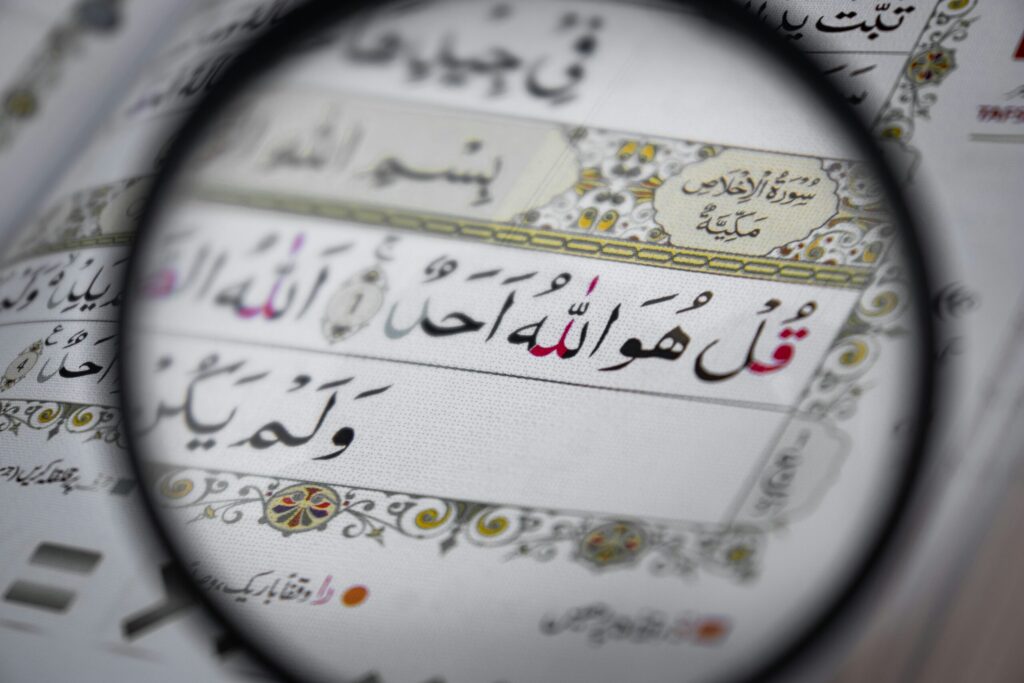
- Al-Ikhlas (Pure Monotheism)
- Al-Falaq (The Daybreak)
- An-Nas (Mankind)
- Al-Kafiroun (The Disbelievers)
- Al-Insan or As-Sajda (for Friday morning, according to the sunna)
These surahs are short and easy to remember. Varying the surahs also enriches your prayer. For Friday morning, longer surahs such as As-Sajda or Al-Insan are recommended, following tradition.
Examples of short surahs to recite
For beginners, there is no pressure: the short surahs you already know are more than enough. The main thing is concentration and sincerity.
A few examples suited to fajr:
- Al-Ikhlas (Surah 112)
- Al-Falaq (Surah 113)
- An-Nas (Surah 114)
- Al-Kawthar (Surah 108)
- Al-Asr (Surah 103)
You can repeat the same surahs if it helps you stay focused. What matters is praying with attention, even if the recitation is simple.
Benefits and merits of the fajr prayer
Hadiths about fajr
Many hadiths emphasize the value of fajr. For example:
“The two units of the fajr prayer are better than the world and everything in it.” (Muslim)
This kind of text shows how precious this prayer is. Many others speak of the protection and light reserved for those who keep to it. Fajr brings an immense reward, far beyond the material.
Spiritual and everyday benefits
- Start the day in calm and peace.
- Feel aligned, at ease, and ready to face the day.
- Strengthen discipline and willpower.
- Receive spiritual protection.
- Enjoy a different kind of energy, unique to this moment.
The fajr prayer is a real spiritual “boost.” It gives structure to the day, improves concentration and helps you manage stress better. It also encourages a healthier lifestyle, with an early wake-up and productive hours from the morning. A little bonus: the silence of the morning is perfect for meditating or refocusing.
Conclusion
The fajr prayer is a true pillar of daily life. It takes effort, but it brings a unique serenity. By understanding the times, the steps and the benefits, you can perform it peacefully every morning. Taking this time at dawn is already opening the door to a calmer day.
FAQ
The fajr is prayed at dawn, from the first light on the horizon until sunrise. Exact times vary depending on the date and the city.
The fajr consists of two obligatory rak’ats, preceded by two voluntary rak’ats (sunna). The movements and recitations are the same as for the other prayers, with special attention to intention and concentration.
After the Fatiha, you can recite any short surah from the Quran. The most common ones: Al-Ikhlas, Al-Falaq, An-Nas or Al-Kafiroun.
The fajr prayer must be performed before sunrise. After that, it needs to be made up as soon as possible.
Yes, fajr and subh refer to the same prayer, the dawn prayer. Both terms are used depending on the tradition or region.
If the alarm goes off after sunrise, it is recommended to make up the fajr as soon as possible (qada). But it is best to avoid letting this become a habit.
The make-up prayer should be done right after waking up, without delay. But organizing your sleep and setting your alarm properly is the best way to avoid accumulating prayers to make up.
No, the fajr is performed the same way for women and men. The only difference is that women recite quietly, even when praying alone.
The movements, recitations and number of rak’ats remain exactly the same. This rule helps maintain discretion and focus, especially in a family or group setting.
If you’re unsure about a surah or a movement, don’t panic. If the mistake involves an obligatory part of the prayer, it is often enough to perform two prostrations of forgetfulness (sujud as-sahw) at the end of the prayer.
Our advice: always choose the safest option (for example, repeat a movement if you’re not certain). The important thing is not to stress and to keep confidence in the validity of your prayer.