


You may often wonder, “which musical instruments are permitted in Islam?” and you are not alone. The answer is fairly clear: most are forbidden, except the duff (a frame drum), which is permitted on certain occasions such as weddings. Opinions vary depending on the schools of thought and the circumstances, but the general rule remains fairly strict.
In brief:
- The duff (frame drum) is the only instrument generally accepted, especially at weddings or religious celebrations.
- String and wind instruments (guitar, flute, etc.) are largely forbidden according to the majority of scholars.
- The occasions when they are permitted are limited (weddings, Eid, mainly for women).
- A few minority opinions tolerate other instruments, but only in exceptional cases.
Definition of musical instruments in Islam
In Islam, a musical instrument refers to any object made to produce melodic or rhythmic sounds, mainly for entertainment. Religious texts sort instruments according to their form, their use and their influence on spirituality.
Scholars go beyond the simple definition: they take into account the intention behind the use of the instrument. For example, accompanying a religious or educational song is not seen as playing music just for pleasure. Intention (niyya) really matters in Islamic analysis. A distinction is also made between natural sounds (such as birdsong) and sounds artificially created just to entertain.
The schools of jurisprudence draw on the Quran, the Sunna (prophetic tradition) and the opinions of early scholars to establish clear criteria. An instrument may therefore be accepted in a specific case, but forbidden in another. This approach aims to maintain a balance between permitted joy and the preservation of spirituality. Finally, even if perceptions vary across Muslim cultures, the religious ruling remains based on the texts and the opinion of scholars.
Difference between music and singing in the Islamic tradition
Singing, without instruments, is generally tolerated in Islam, especially if it conveys a positive or spiritual message. Instrumental music, on the other hand, is problematic because it can distract from the remembrance of God. The distinction between the two is central in the tradition.
Singing even sometimes holds a privileged place, notably for teaching or celebrating. Nasheeds (religious chants) are thus appreciated as long as the content remains respectful. On the other hand, adding instruments changes the atmosphere and the intention, which explains the caution of scholars. This difference aims to preserve the simplicity of the message and avoid the excesses linked to instrumental music.
Categories of instruments according to scholars
Scholars classify instruments into three main families:
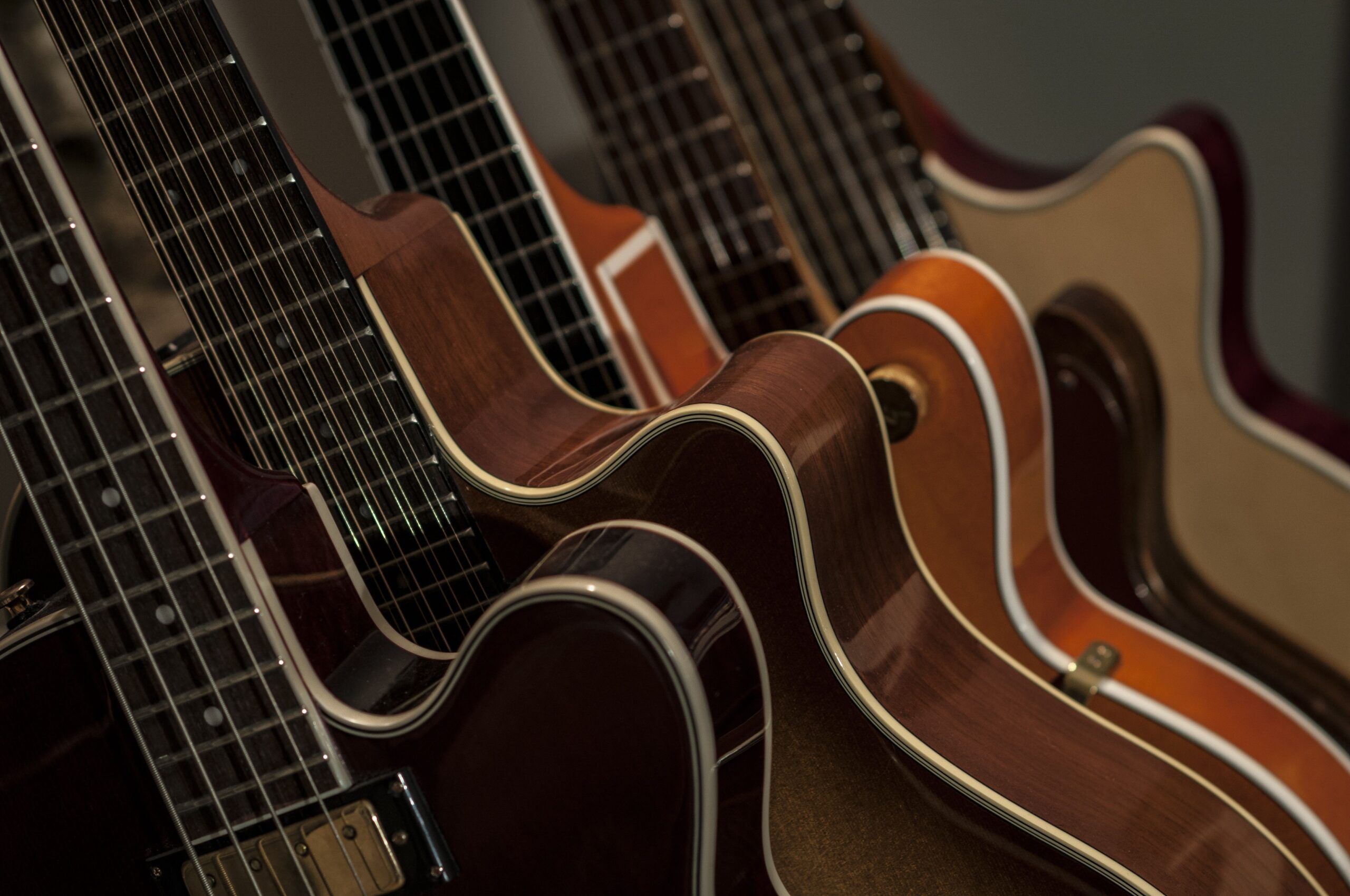
- String instruments (oud, guitar, violin)
- Wind instruments (flute, clarinet, saxophone)
- Percussion instruments (drum, duff, drum kit)
In this list, only the duff (a type of frame drum) is clearly permitted in certain contexts. The other instruments are generally forbidden.
This classification helps give precise answers. String and wind instruments are often associated with forms of entertainment considered excessive or foreign in origin. Percussion is treated differently: the duff is explicitly permitted on certain occasions, while the rest remains forbidden. This breakdown makes things clearer to guide everyday choices.
Which musical instruments are forbidden in Islam?
For the majority of scholars, string and wind instruments and most percussion other than the duff are forbidden in Islam. They are seen as sources of distraction that take people away from the remembrance of God.
The prohibition is based on religious texts and the opinion of many scholars. Strings (guitar, violin) and winds (flute, clarinet) are particularly targeted. Even some percussion, apart from the duff, is concerned. This position aims to protect spirituality and limit whatever could distract from the main goal.
What is the purpose of this prohibition? To protect the believer’s heart from influences considered harmful. Scholars point out that instrumental music, listened to too often, can quickly become a habit that draws people away from religious practices. It is sometimes linked to atmospheres or behaviors that do not fit with Islamic ethics. The schools of jurisprudence therefore recommend caution and favoring permissible forms of entertainment. There are debates about a few traditional instruments or those used for educational purposes, but caution remains the rule.
List of forbidden instruments (comparison table)
| Type of instrument | Common examples | Majority ruling |
|---|---|---|
| Strings | Guitar, violin, oud | Forbidden |
| Winds | Flute, clarinet, saxophone | Forbidden |
| Percussion (except the duff) | Drum kit, classical drum | Forbidden |
| Keyboards | Piano, synthesizer | Forbidden |
This table gives a quick view of which instruments are concerned. Even if some are present in culture or education, the religious ruling takes precedence. Minority opinions exist, but they are very much in the minority.
Reasons for the prohibition according to religious texts
Instruments are forbidden because they are seen as distractions, liable to divert people from the remembrance of God. The texts stress the risk of heedlessness, debauchery and imitation of practices foreign to Islam. Scholars highlight the possible negative influence on behavior and spirituality.
The main arguments: the fear that music becomes a passion that takes up too much space, to the detriment of acts of worship. The texts also warn against imitating cultures that place music at the center of leisure. Sometimes, music conveys messages or emotions that do not align with Islamic values. Hence the need to limit its use.
Excerpts from hadiths and scholars’ opinions
Several hadiths report that the Prophet Muhammad (peace be upon him) warned against instrumental music. Scholars such as Ibn al-Qayyim or Imam Malik confirm the prohibition, except for the duff in specific cases. These opinions are widely followed in the classical schools.
Among the references are words of the Prophet mentioning “people who will make lawful silk, wine and musical instruments,” which is seen as a warning. The great imams insist on limiting the use of instruments, even if the duff is tolerated in certain cases. This near-unanimity explains the strictness of the majority rule and the caution recommended.
Which musical instruments are permitted in Islam?
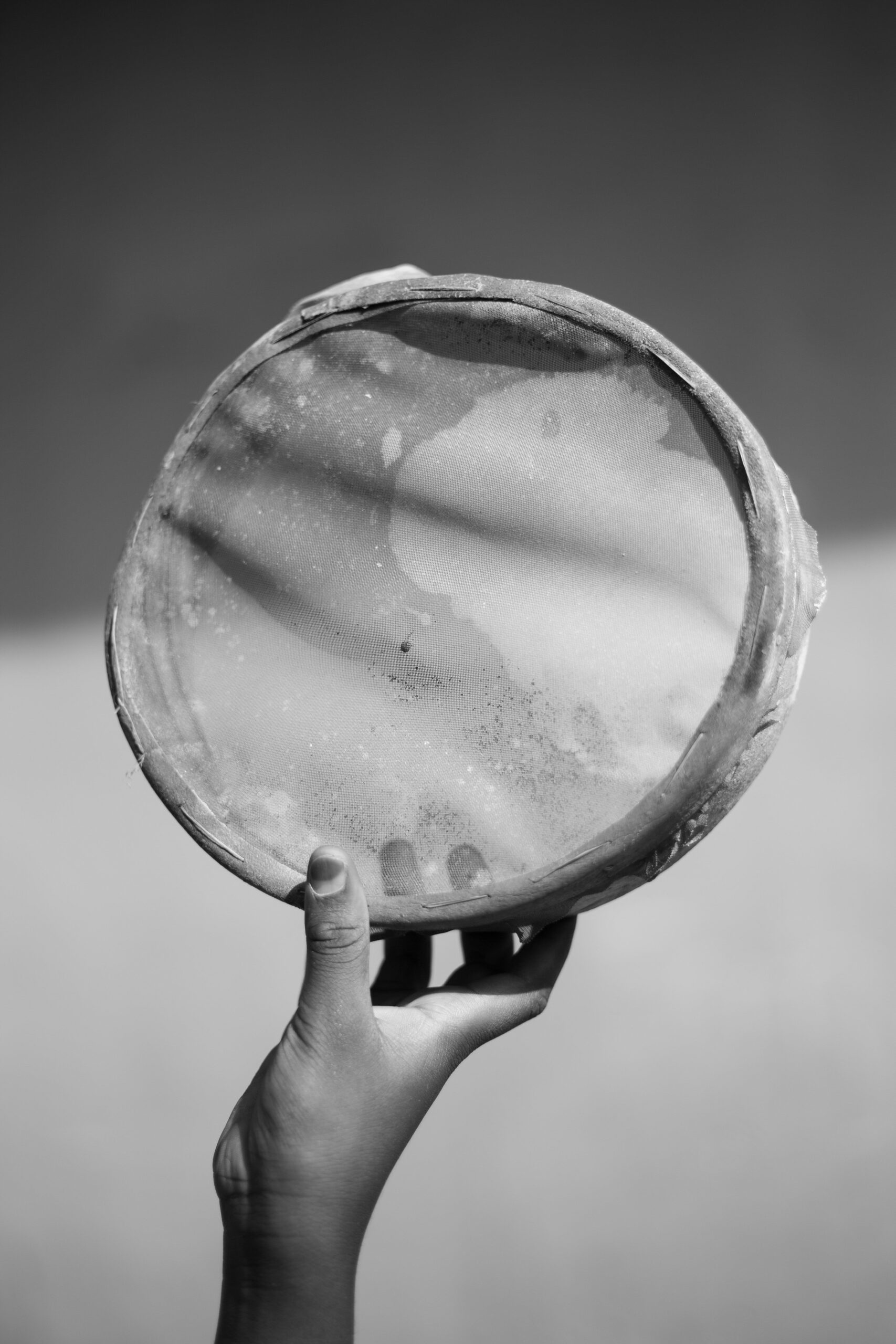
The duff (frame drum) is the instrument most commonly accepted in Islam, especially at weddings or religious celebrations, and mainly for women. Other instruments remain prohibited, apart from very rare exceptions.
This permission for the duff is based on clear hadiths, in which the Prophet allowed its use during celebrations. Other instruments do not benefit from this leniency, except in minority opinions or very particular contexts.
In practice, the duff accompanies songs during moments of joy, provided the content remains respectful. This exception makes it possible to share joy collectively while keeping an ethical framework. Other instruments, even those present in certain cultures, are not explicitly permitted. It is therefore advisable to stick to what is clearly allowed.
The duff/frame drum: context of permission
The duff is permitted at weddings, at religious celebrations such as Eid, or at family events. This permission mainly applies to women, following the practice at the time of the Prophet. For men, the use of the duff is more limited, and even discouraged according to some opinions.
The use of the duff should remain an accompaniment to the celebration, without excess. The songs that go with it must be free of inappropriate lyrics. This practice allows important moments to be celebrated while respecting religious limits. Scholars remind us that intention and respect for the framework are essential.
Special cases and differences between schools
Some minority scholars tolerate other instruments in exceptional cases, such as for children’s education or motivation at work. But the majority remain strict and limit the permission to the duff. The differences mainly concern the interpretation of the texts and the context of use.
For example, some consider that a simple instrument, used to set the rhythm of educational songs at school, could be tolerated if it does not lead to neglecting religion. Others insist that music must not become a habit or a source of distraction. These minority opinions are very tightly framed and do not change the general rule. When in doubt, it is better to consult a recognized scholar.
Summary table of permitted/prohibited instruments
| Instrument | General status | Contexts of permission |
|---|---|---|
| Duff (frame drum) | Permitted | Weddings, celebrations, women |
| Other percussion | Prohibited | Rarely tolerated |
| Strings | Prohibited | Not permitted |
| Wind instruments | Prohibited | Not permitted |
| Keyboards | Prohibited | Not permitted |
This table summarizes the majority positions and shows the limits set by Islamic tradition. It also reminds us that respecting the contexts of permission is essential to avoid any excess.
In which contexts are certain instruments permitted?
The duff is permitted on certain occasions such as weddings or Eid, especially for women. Other instruments remain prohibited, except in minority opinions or exceptional cases.
The permission for the duff is limited to well-defined moments in the texts and tradition. Its use aims to celebrate joy at family or religious events, but always within a precise framework. Other instruments do not have this status, except in very rare cases.
The limits that have been set must be respected to avoid any confusion. The occasions on which the duff is permitted are well known and should not be extended without a solid religious reason. Scholars remind us that the goal is to preserve the dignity of celebrations and avoid any excess.
Weddings, religious celebrations, family events
The duff is permitted at weddings, at Eid or at other family celebrations. This practice allows joy to be expressed, but always with moderation and respect. The songs accompanying the duff must remain within the limits of Islamic ethics.
In these contexts, the duff sets the rhythm of the songs and creates a festive atmosphere, without the music becoming the center of the event. Scholars insist on moderation: the celebration must remain dignified, without excess or reprehensible behavior, such as excessive mixing of men and women or neglecting prayer.
Differences between men and women in the use of instruments
In general, the use of the duff is reserved for women at celebrations and weddings. For men, the prohibition is stricter, even in these contexts. This difference comes from the practices at the time of the Prophet.
Scholars explain that this distinction aims to preserve modesty and avoid any ambiguity at gatherings. Women use the duff to express their joy in a private setting, while men are encouraged to choose other ways of celebrating. This rule helps maintain a balance between tradition and celebration.
Why are certain instruments prohibited in Islam?
Instruments are prohibited in Islam because they are considered capable of distracting from the remembrance of God, encouraging frivolity or heedlessness, and influencing behavior, according to the texts and the opinion of scholars.
The aim of the prohibition is to protect spirituality and avoid influences deemed harmful. Scholars emphasize that instrumental music can make people forget their religious obligations, encourage frivolity and open the door to problematic behavior.
This position is based on the principle that the human heart is sensitive to sounds and rhythms, which can easily distract from what is essential. Scholars also point out that music is often associated with settings where Islamic values are not respected. Finally, there is a concern that music may become a dominant passion, taking the place of acts of worship and reflection.
Religious and spiritual arguments
The religious texts stress the protection of the heart and mind. Musical instruments are seen as distractions that draw people away from the remembrance of God and from religious practice. Scholars emphasize the importance of staying focused on what is essential and avoiding frivolous pleasures.
The believer’s goal is to seek closeness to God, and anything that may distract from this goal should be limited. The arguments also include the fear that music stirs up uncontrolled emotions or encourages behavior contrary to ethics. In short, the aim is to keep the heart pure and oriented toward what is essential, without being swept up by fleeting pleasures.
Impact on behavior and faith
According to classical opinions, instrumental music can influence behavior, encourage heedlessness and weaken faith. It is associated with wasting time, neglecting religious duties and imitating practices foreign to Islam.
Scholars point out that the habit of listening to music can make the heart less receptive to religious reminders and more prone to distraction. It can also lead to neglecting prayer or other obligations. Finally, music is sometimes seen as a vehicle for behaviors or values that do not match the Islamic ideal, which is why it is important to remain vigilant.
Differing opinions and nuances among the schools
There are differences between the legal schools and scholars on the prohibition or tolerance of certain instruments, but the majority remains strict. A few minority opinions permit music under certain conditions.
The Hanafi, Maliki, Shafi’i and Hanbali schools take a generally restrictive position, but some modern scholars offer more nuanced readings. These differences take into account the context, the intention and the effect of the music on spirituality.
Some contemporary scholars, while acknowledging the majority rule, call for taking particular situations into account, such as the use of instruments in education or therapy. Others stress the need not to prohibit too broadly, especially if the music has a positive effect and respects religious limits. These nuances show that the debate remains alive, even if caution dominates.
Overview of the main opinions (summary table)
| School/scholar | Position on instruments | Possible exceptions |
|---|---|---|
| Hanafi | Strict prohibition | Duff for women, weddings |
| Maliki | Strict prohibition | Duff, rare exceptions |
| Shafi’i | Strict prohibition | Duff, specific contexts |
| Hanbali | Strict prohibition | Duff, religious celebrations |
| Minority opinions | Conditional tolerance | Education, motivation, etc. |
This table summarizes the main trends and places the minority opinions in relation to the dominant rule. It highlights the diversity of approaches, while recalling the general rule.
Examples of tolerated or debated situations
Some scholars tolerate the use of instruments for educating children or encouraging positive actions, provided that it does not lead to neglecting religion. Others consider that music without problematic lyrics could be tolerated in very specific contexts.
For example, a teacher may use a simple instrument to set the rhythm of a lesson or help with memorization, provided it is exceptional. Likewise, music for therapeutic purposes or to accompany difficult work is a subject of discussion. These examples show that the rule is not applied automatically, but takes into account the context and the intention.
Practical summary: what to remember for compliant use?
To respect the majority rule, all instruments should be avoided except the duff on specific occasions. If in doubt, turn to a recognized scholar or to the opinion of your school.
Bullet list of practical recommendations
- Favor the duff at weddings or religious celebrations, particularly for women.
- Avoid string instruments, wind instruments and percussion other than the duff.
- Respect the contexts of permission (family events, Eid, etc.).
- If in doubt, consult a scholar or follow the opinion of your school.
- Always keep the spiritual goal in mind: preserving faith and avoiding distractions.
This advice helps you find your way among the different opinions and stay in line with the majority of scholars. The essential thing is to keep a sincere intention and to prioritize the preservation of faith.
Conclusion
In summary, to answer the question “which musical instruments are permitted in Islam?“: only the duff (frame drum) is generally permitted, and only in specific contexts such as weddings or religious celebrations, especially for women. The other instruments remain prohibited according to the majority of scholars. Even though a few minority opinions exist, caution remains the best choice for practicing one’s faith with peace of mind.
FAQ
The duff (frame drum) is the only instrument generally considered halal in Islam, especially at weddings or religious celebrations. Most other instruments are prohibited according to scholars.
Instruments are prohibited because they are seen as potentially drawing people away from spirituality, encouraging distraction and negatively influencing behavior, according to religious texts.
In general, the duff is permitted for women on certain occasions, whereas for men, the prohibition is stricter. The other instruments remain prohibited for everyone.
Yes, the duff is permitted in specific contexts such as weddings or Eid. A few minority scholars tolerate other instruments in exceptional situations.
Leave a Reply