


The women’s burqa is a full-body veil that covers a woman from head to toe, face included, with just a small mesh grille over the eyes so she can see without being seen. It is clearly distinct from the niqab or the hijab, both in its cut and in its function, especially in certain Muslim countries. In France, wearing it is strictly regulated. We go over its particularities and its differences, and give you the keys to choosing well.
In short:
- The women’s burqa fully covers the body and face, except for a grille for the eyes.
- It does not have the same shape or purpose as the niqab or the hijab.
- Wearing it depends heavily on traditions and the law, especially in France where it is banned in public spaces.
- To choose your burqa: look at the fabric, the size, the comfort, and consider religious or legal criteria.
What is a burqa for women?
The burqa for women is a traditional garment that wraps the entire body and face, except for a grille placed in front of the eyes. Worn mainly in certain Muslim countries, it embodies a form of modesty and religious respect depending on the culture.
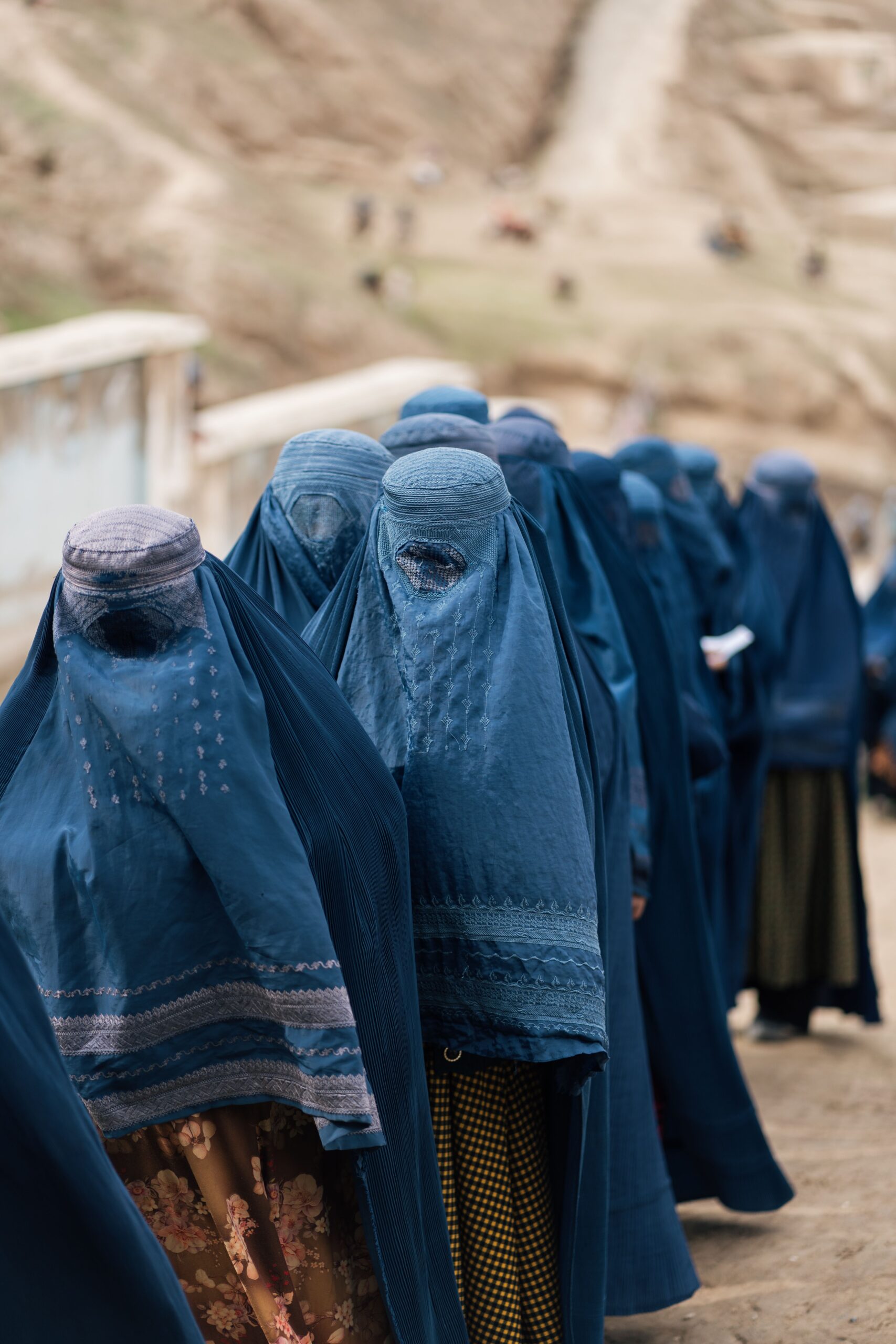
The burqa remains mostly associated with Afghanistan, where it is part of women’s traditional dress. It is recognized by its loose cut, its often blue or beige color, and its embroidered grille that hides the gaze while still allowing sight. Unlike other Islamic veils, the burqa leaves no part of the body visible, not even the eyes.
This garment carries strong symbolic weight, blending religion, culture and society. Sometimes imposed by tradition, family or even law, it can also be a personal choice. Many people confuse it with the niqab or the hijab, even though the differences are clear.
Origin and history of the burqa
The burqa comes from the ancient tribal societies of Central Asia, long before the arrival of Islam. It took root in several regions, especially in Afghanistan, under the influence of local customs and religion. Its use grew stronger over the centuries, notably under the Taliban.
Over time, the burqa has followed political and social developments. It was imposed during very conservative periods, then worn more freely during more open phases. In some places, the burqa also indicates belonging to a group or social class. Today, it remains a strong symbol, at the heart of debates about the place of women and tradition.
Religious and cultural meaning
In some Muslim societies, the burqa symbolizes modesty and respect for religious rules. But it is not required everywhere, nor seen the same way within Islam. For some, it is an identity marker; for others, a social pressure.
Depending on the family or region, wearing the burqa can mean conforming to collective morality or tradition. For other women, it is a personal choice, a way to express their faith or their discretion. There are many debates, even within Muslim societies: some see it as an obligation, others as a simple traditional custom. Sometimes, the burqa also meets practical needs: protection from dust or sun.
Differences from the niqab and the hijab
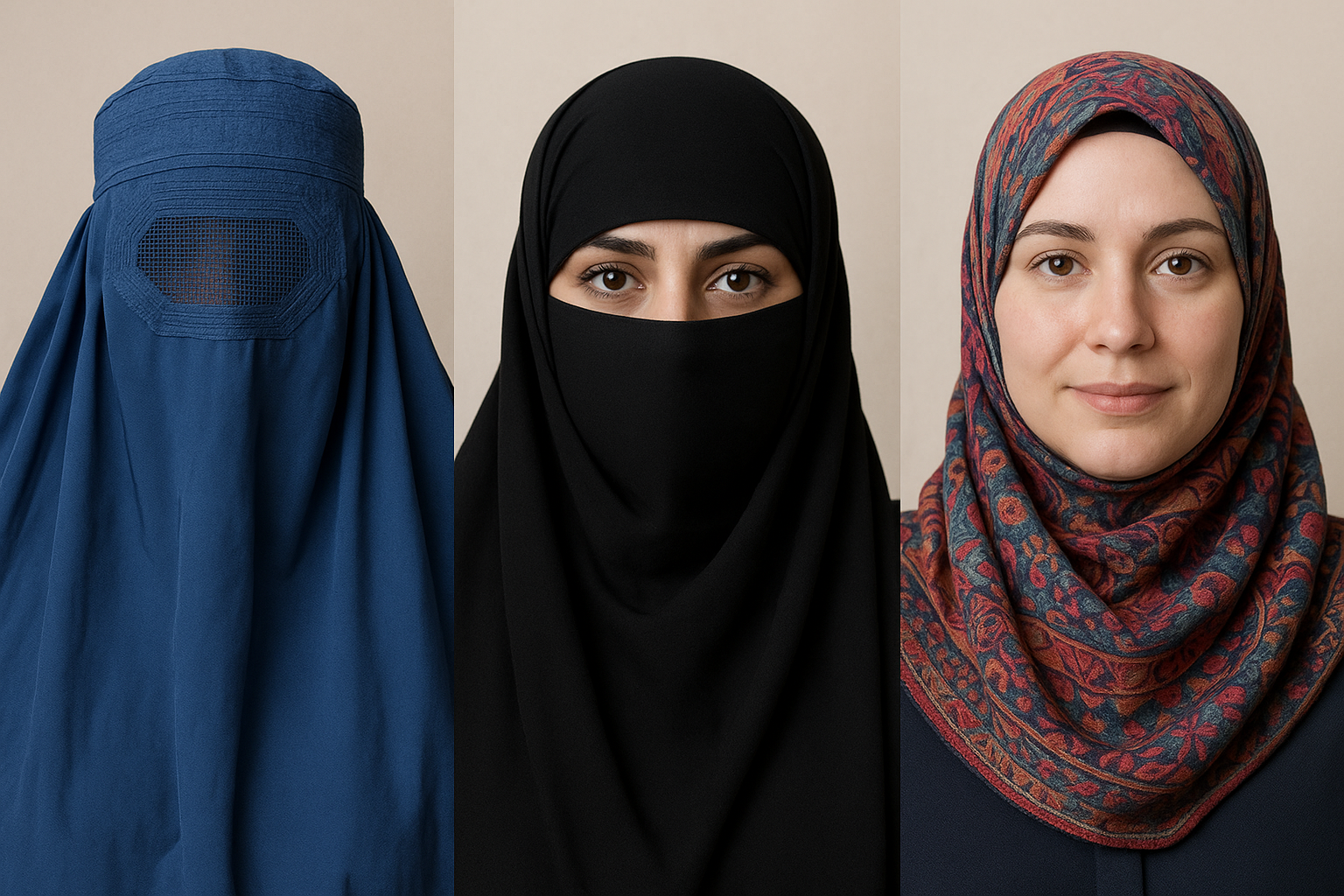
It can be confusing at times, but the difference is plain to see… almost! Here is a comparison table to make things clearer:
| Type of veil | Part of the body covered | Main feature | Main geographic use |
|---|---|---|---|
| Burqa | Body + face + eyes | Embroidered grille in front of the eyes | Afghanistan, Pakistan |
| Niqab | Body + face | Slit leaving the eyes uncovered | Middle East, Maghreb |
| Hijab | Hair, neck, sometimes shoulders | Leaves the face fully visible | Muslim world, Europe, the West |
This table sums it all up: the hijab covers only the hair, the niqab covers the face but leaves the eyes visible, and the burqa wraps everything, even the eyes thanks to a grille. Understanding these differences helps you better grasp Muslim dress practices and the discussions surrounding them.
Where and how is the burqa worn?
The burqa is worn mainly in Afghanistan, Pakistan, and a few regions of the Middle East. Wearing it depends on traditions, religious beliefs and sometimes the laws in place.
In these regions, the burqa is part of daily life, especially in rural or conservative areas. Women wear it for religious, cultural and social reasons, sometimes by choice, sometimes under pressure. Elsewhere, it is rarer and often restricted by law.
Outside these countries, the burqa may be worn for special occasions or during stays in regions where it is the norm. In Western countries, it is a source of debate around secularism, integration and security. Women who wear the burqa outside their country of origin may face various reactions: curiosity, incomprehension, even stigmatization. It is therefore essential to know the local rules and customs well before considering wearing a burqa elsewhere.
Countries where the burqa is common
- Afghanistan: Traditional dress, very widespread.
- Pakistan: Worn in certain regions, especially in rural areas.
- Certain Gulf countries and Central Asia: More occasional use.
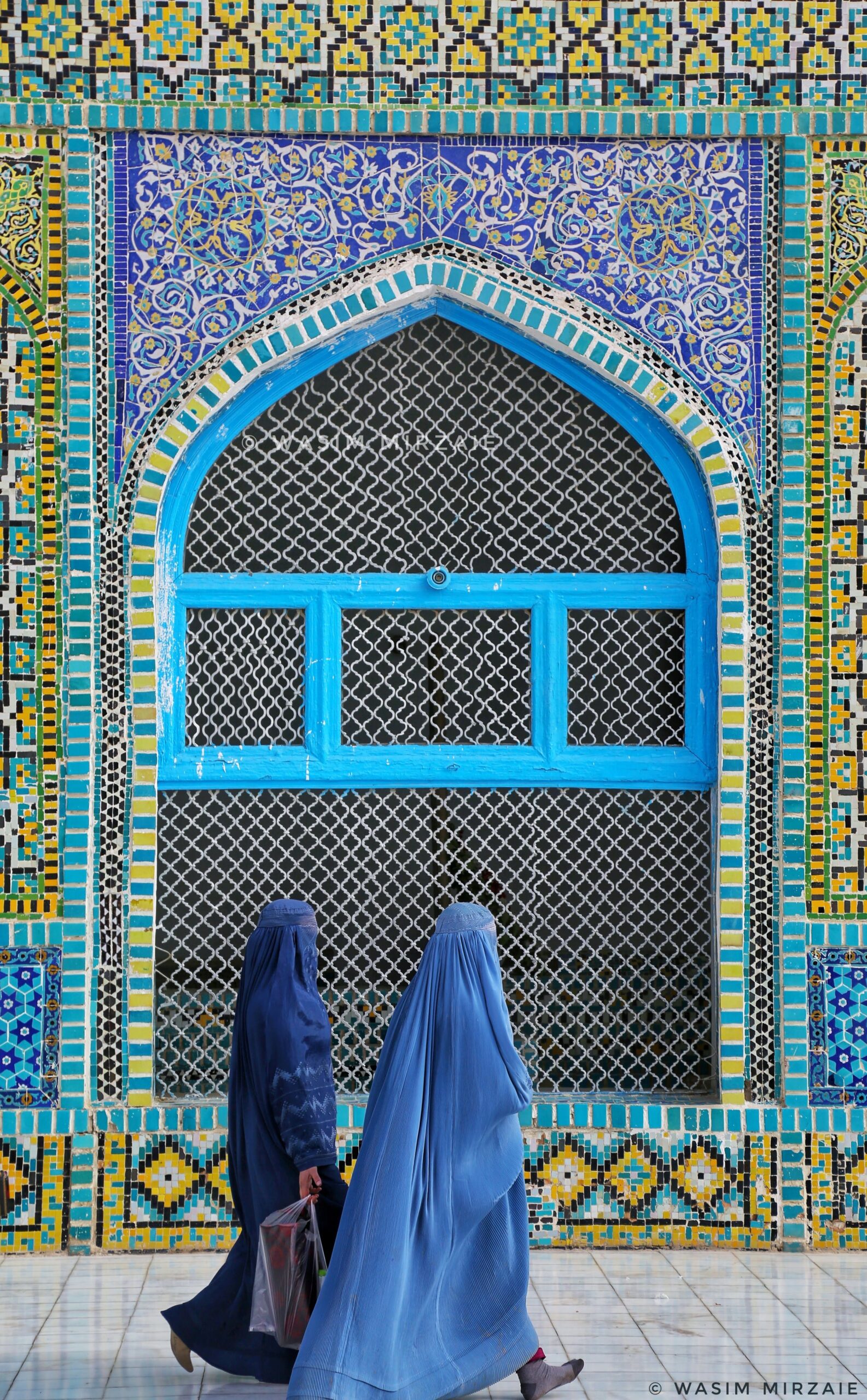
In these countries, the burqa is a marker of cultural identity. In Afghanistan, it may be imposed by law or custom, especially in rural areas. In Pakistan, wearing it varies by region and social background. In other countries, the burqa is less common but may be worn at ceremonies or by minorities. There are also regional variations: colors, patterns, or shapes may differ.
Rules and customs around wearing the burqa
Wearing the burqa follows specific codes, which vary by country and family. It may be imposed by tradition, encouraged by religion, or freely chosen. Sometimes it marks membership in a group or respect for social norms.
- In some families, the burqa is worn from adolescence.
- Elsewhere, it is only worn for certain events (weddings, mourning, religious holidays).
- The color, fabric, and patterns can indicate the region or social status.
- There is much discussion about freedom of choice and social pressure, especially among young people.
In short, the burqa is never worn “by chance”: every detail can carry meaning.
Legislation in France and Europe
In France, the burqa has been banned in public spaces since 2011. Other European countries have taken similar measures, while some allow it under certain conditions. A quick overview:
| Country | Legislation on the burqa in public spaces |
|---|---|
| France | Banned |
| Belgium | Banned |
| Netherlands | Banned in certain public places |
| Germany | Restrictions vary by state |
| United Kingdom | Allowed, with some local exceptions |
| Italy | Restrictions in certain cities |
In France and Belgium, the ban is total in public spaces. In the Netherlands or Italy, it applies to certain places such as schools or government offices. In Germany, each state decides, so the rules change from one region to another. In the United Kingdom, the burqa remains allowed with some exceptions. These laws mainly aim at security and the identification of individuals. Before considering wearing a burqa in Europe, be sure to look into the legislation.
How to choose a burqa for women?
To choose a burqa well, consider the fabric, the size, the comfort, and compliance with religious or local rules. The quality of the fabric and compliance with the law are essential.
Your choice will depend on several factors: daily or occasional use, season, family tradition, and the country’s regulations. Prioritize comfort, especially if you need to wear it for long periods.
Once you have defined your needs, compare the models. Some are very lightweight (ideal for summer), others thicker (perfect for winter). The cut also varies: some burqas are very loose, others more structured. Check the strength of the seams and the mesh panel, which should let you see without difficulty. And above all, if the legislation is strict where you live, make sure the model is compliant.
Selection criteria (fabric, size, cut)
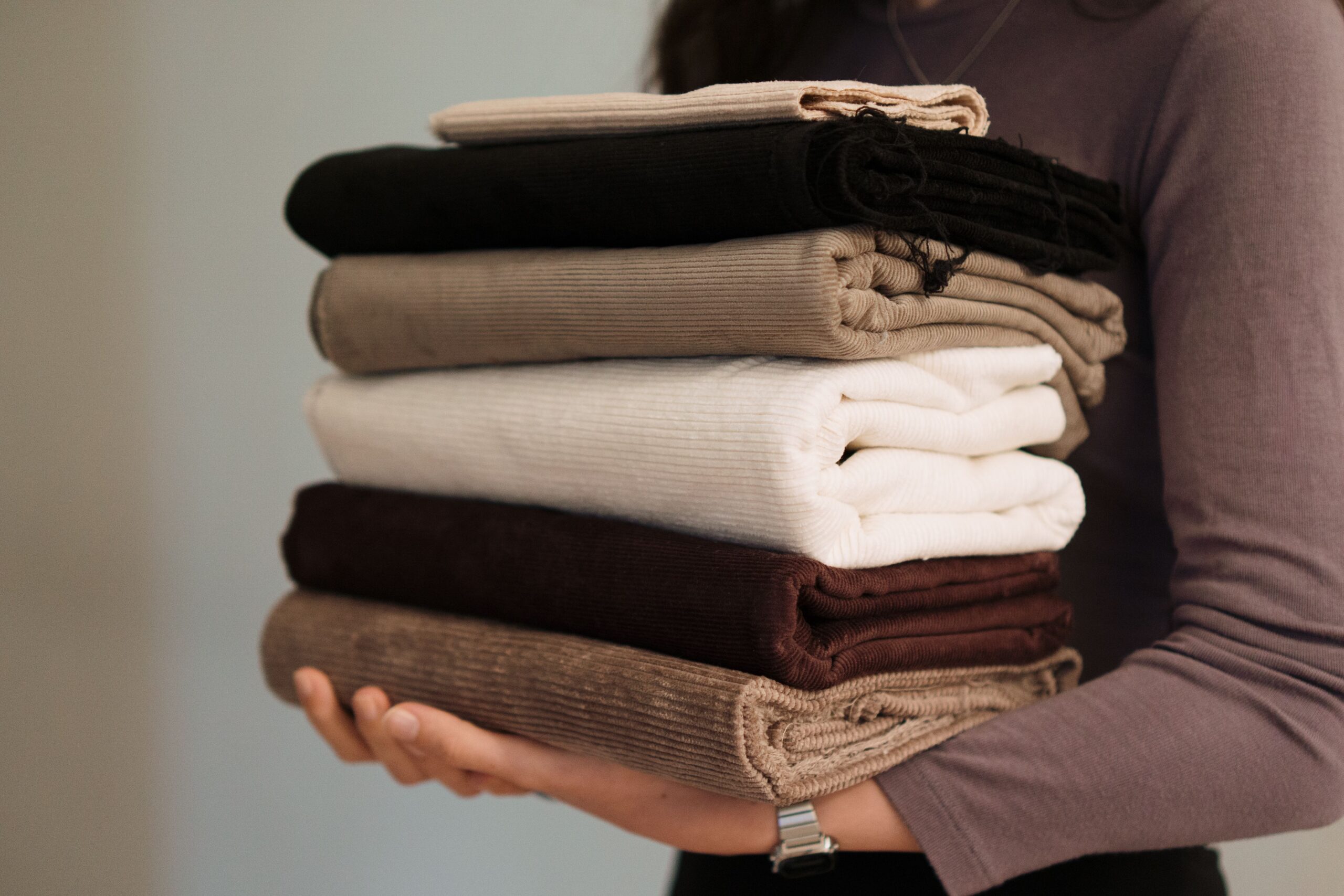
- Fabric: Choose a lightweight, breathable fabric for summer, thicker or lined for winter.
- Size: Make sure the length and fullness provide complete coverage without restricting movement.
- Cut: Depending on your preferences, choose a very loose burqa or a more fitted one.
- Finishing: Prefer strong seams and a well-attached mesh panel for durability.
- Compliance with religious standards: Check that the model matches your beliefs.
- Legal compliance: Find out about local regulations.
A little extra tip: choose a fabric that is easy to wash and dry, it makes everyday life so much easier. Some models are decorated with embroidery or patterns, to be selected according to your tastes and customs. If possible, always try on the burqa before buying to test the comfort and freedom of movement.
Where to buy a burqa for women?
You will find burqas in specialty stores selling Islamic clothing, on dedicated websites, or in some local markets abroad. Before buying, check the seller’s reputation, the quality, and the return policy.
- Online: Read the descriptions carefully, check customer reviews, and verify the measurements.
- In store: Advantage: you can try it on, feel the fabric, and ask for advice.
- At traditional markets (abroad): Sometimes you will find handcrafted or personalized models.
Always compare models, fabrics, and prices. Be careful, if you buy abroad, find out about any customs restrictions when bringing it into your country.
Care and practical tips
To care for a burqa, wash it by hand or in the machine at a low temperature, following the manufacturer’s advice. Air dry it to keep its shape and colors. Store it flat or on a hanger to avoid creases.
A few tips to keep it in good condition:
- Choose a gentle wash, without harsh detergent.
- Avoid the dryer: it can warp or dull the fabric.
- Iron at a low temperature, without touching the mesh panel.
- For embroidered models, turn the burqa inside out before washing to preserve the patterns.
- Store it away from direct light to prevent fading.
Regular care keeps your burqa clean and pleasant to wear. If you are in doubt, always follow the manufacturer’s instructions or ask a textile professional for advice.
Conclusion
The women’s burqa is a traditional garment, both religious and cultural, that covers the entire body and face. It is clearly distinct from the niqab and the hijab in its shape and use. How it is worn varies greatly depending on the country, traditions and, above all, the legislation, particularly in France, where it is banned in public spaces. If you would like to wear one, prioritize quality and comfort, and always find out about the local regulations.
Leave a Reply