


Planning a trip to Malaysia means treating yourself to a mix of dream beaches, lush green jungles, vibrant cities and cultures that meet everywhere you go. Between March and October, the climate is at its best on the peninsula. As for your budget, plan on €35 to €60 per day. The formalities are simple, and there is something here for everyone.
In brief:
- Best time to go: March to October, with drier weather on the peninsula.
- Must-sees: Kuala Lumpur, the Perhentian Islands, Borneo, the Cameron Highlands, Malacca.
- Average budget: €35 to €60 per day depending on comfort.
- Formalities: no visa for tourist stays of less than 90 days, no mandatory vaccines.
Malaysia is a mix of incredible landscapes, beaches and jungle, but also cities full of energy. To organize your trip well, aim for the March to October period, plan on an average budget of €35 to €60 per day, and adjust your route to suit your interests. The entry formalities are simple and accessible to everyone.
When to go to Malaysia?
The ideal time to visit Malaysia is from March to October, when the weather is drier on the peninsula. Between November and February, rain is more frequent, especially on the east coast. The climate varies from one region to another, so it’s best to adapt your itinerary to the season.
The Malaysian climate means heat and humidity all year round, but each region has its own weather. Two major monsoons shape the year: the winter monsoon (November to February), which mostly brings rain to the east coast, and the summer monsoon (May to September), which affects the west coast more. As a result, some areas are better to visit depending on the time of year. For example, during the winter monsoon, the islands on the east coast are often inaccessible, while Penang and Langkawi remain pleasant. Borneo has its own rainy season, mainly from November to March, but can be visited the rest of the time. It’s up to you to juggle beaches, hikes, cities and jungle depending on the regional weather. A little tip: check the local weather before booking your accommodation or transport, especially if you’re changing regions. And if you like rain, the Malaysian jungle is even more spectacular under the downpours!
Table: Climate by month and region
| Month | West Peninsula (Kuala Lumpur, Penang) | East Peninsula (Perhentian, Redang) | Borneo (Sabah, Sarawak) |
|---|---|---|---|
| January | Dry/moderate | Heavy monsoon | Rainy |
| February | Dry/moderate | Heavy monsoon | Rainy |
| March | Start of dry season | End of monsoon | Moderate rain |
| April | Dry season | Dry season | Moderate rain |
| May | Dry season | Dry season | Dry season |
| June | Dry season | Dry season | Dry season |
| July | Dry season | Dry season | Dry season |
| August | Dry season | Dry season | Dry season |
| September | Dry season | Dry season | Dry season |
| October | End of dry season | Start of monsoon | Moderate rain |
| November | Start of monsoon | Heavy monsoon | Rainy |
| December | Monsoon | Heavy monsoon | Rainy |
Climate by region
The west peninsula (Kuala Lumpur, Penang, Langkawi) enjoys a fairly stable climate, with rain spread throughout the year but rarely heavy. On the east coast (Perhentian, Redang), the monsoon from November to February can make access impossible. Borneo (Sabah, Sarawak) gets more rain, especially from November to March, but remains welcoming the rest of the time.
Every corner of Malaysia has its own weather. On the west coast, showers mostly fall in the late afternoon, leaving your mornings free to explore. Temperatures stay between 25 and 32°C, and humidity is always present. The east coast can see flooding and road closures during the monsoon, so it’s best avoided during that period. Borneo has a very tropical climate: dense forest, wildlife everywhere and sometimes impressive downpours. But even in the wet season, it doesn’t rain all day: often it’s intense, then it stops. For hiking or wildlife watching, the dry season is the best choice. In the rainy season, the jungle is even greener, but bring good shoes!
Seasons to avoid and weather tips
Avoid the east coast during the monsoon (November to February): hotels closed, ferries not running. Always bring rain gear and adapt your plans to the weather. For the jungle or Mount Kinabalu, the dry season is preferable.
The weather can change quickly, especially in the mountains or the forest. A light raincoat and suitable shoes are your best friends. Tropical rain is refreshing, but makes some paths slippery. For diving or snorkeling, go in the dry season to enjoy clear water and safe crossings. If you’re traveling with family, check that the accommodations are open during your chosen period. And remember: heat and humidity can be tiring, so stay hydrated and take breaks. If it rains, take the opportunity to explore a covered market or have a tea in the Cameron Highlands!
What to do and see in Malaysia?
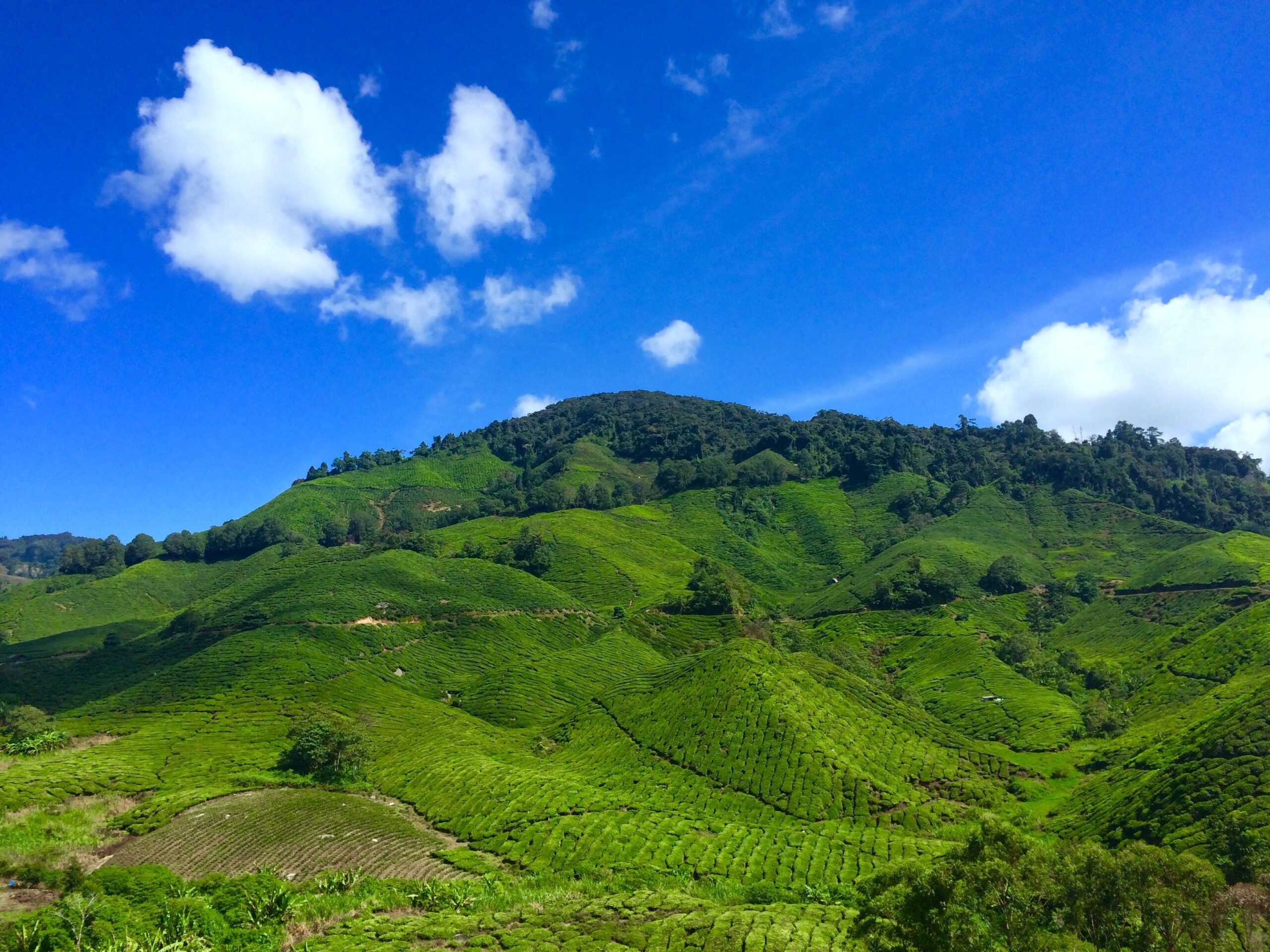
Malaysia is a giant playground: Kuala Lumpur and its towers, dream beaches on the Perhentian Islands or Langkawi, the jungle of Borneo, the tea plantations of the Cameron Highlands, and historic cities like Malacca. Every corner of the country has its own atmosphere, blending nature, culture and relaxation.
It’s impossible to get bored here: Kuala Lumpur mixes skyscrapers and markets, the islands are perfect for diving or soaking up the sun, Borneo brings you face to face with orangutans, and Malacca and Georgetown reveal a rich heritage. The cuisine, a flavorful blend of influences, is also part of the journey.
Beyond the big classics, Malaysia is ideal for every type of traveler. Nature fans can explore national parks, rare animals or jungle trails. On the culture side, temples, mosques, museums and old neighborhoods await you. The beaches and turquoise waters are made for relaxing or trying out water sports. The night markets are a real spectacle, perfect for tasting local street food. And the country’s ethnic diversity can be felt in its festivals, cuisine and architecture. Let yourself be surprised by the little unexpected moments of everyday life, like a street food stall or a stroll through a typical village.
10 major sites and experiences not to miss
- Kuala Lumpur: Petronas Towers, markets, street food.
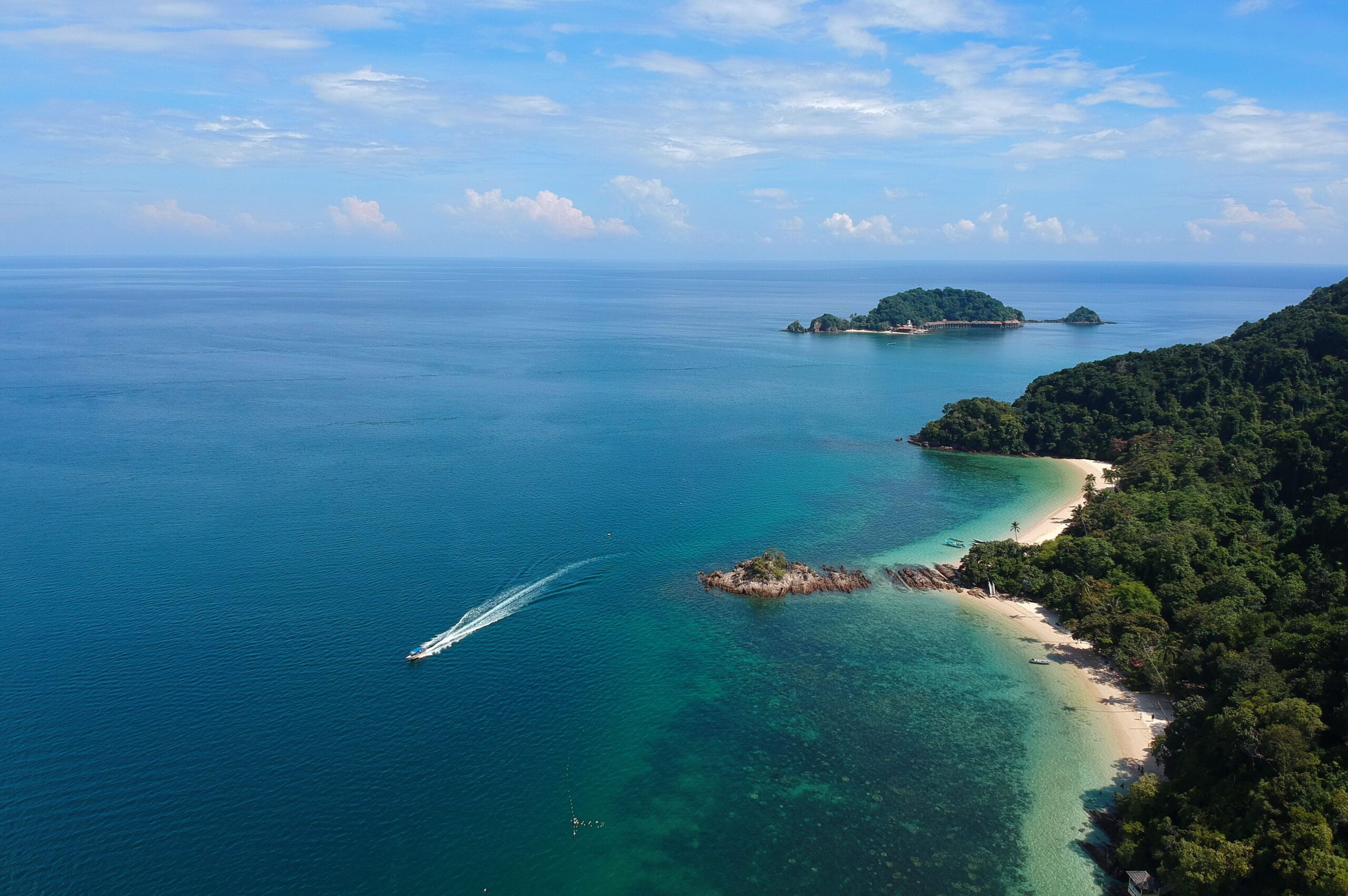
- Perhentian Islands: beaches, snorkeling, relaxed atmosphere.
- Langkawi: beaches, mangroves, panoramic cable car.
- Borneo (Sabah): jungle, orangutans, Mount Kinabalu.
- Cameron Highlands: tea plantations, hikes.
- Malacca: UNESCO-listed historic center, colonial architecture.
- Penang (Georgetown): street art, temples, local cuisine.
- Taman Negara National Park: jungle, suspension bridges, wildlife.
- Batu Caves: Hindu shrine, colorful stairs.
- Bako National Park (Sarawak): proboscis monkeys, wild beaches.
Each site has its own style: modernity in Kuala Lumpur, raw nature in Borneo, colonial atmosphere in Malacca, or island relaxation. For thrill seekers, try climbing Mount Kinabalu or walking across the suspension bridges of Taman Negara. The Batu Caves, with their statues and colorful stairs, are worth a visit just minutes from the capital. Street art and food fans will be delighted in Penang, and sea lovers will find their happiness on the islands. Mix these experiences for a well-balanced trip!
Top 5 natural sites
- Perhentian Islands: clear waters, coral, turtles.
- Borneo (Sabah): primary forest, orangutan watching.
- Cameron Highlands: green hills, tea plantations.
- Taman Negara National Park: ancient jungle, hikes.
- Bako National Park: unique wildlife, deserted beaches.
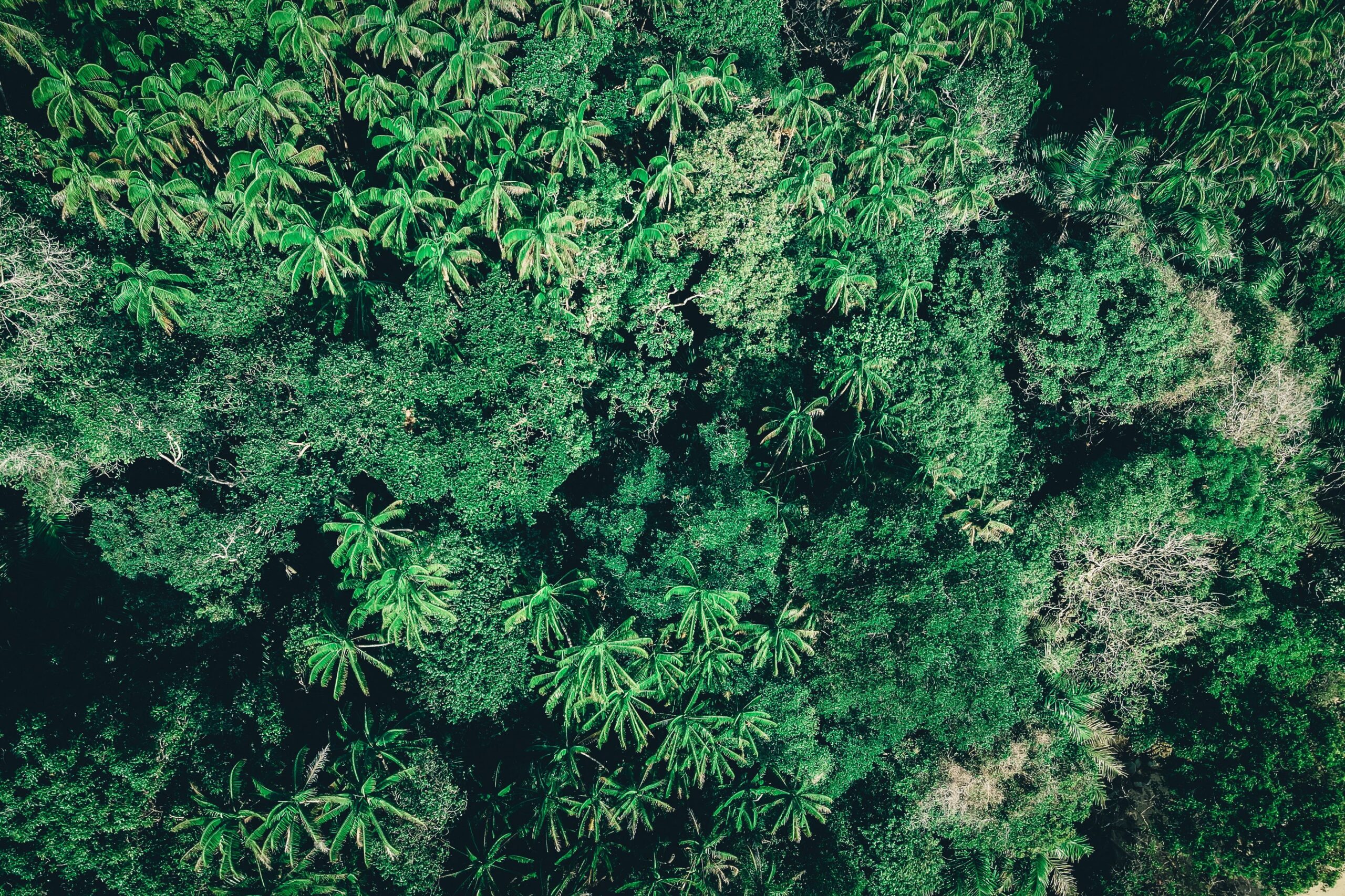
For nature lovers, Malaysia is a dream destination. The Perhentian Islands offer pristine beaches and underwater landscapes, perfect for diving. Borneo is pure jungle, with its orangutans and proboscis monkeys. The Cameron Highlands charm visitors with their cool climate and endless landscapes of tea plantations. Taman Negara, one of the oldest jungles in the world, invites you on an adventure with its trails and suspension bridges. Bako National Park, in Sarawak, is known for its biodiversity and wild beaches. To make the most of your trip, pack good shoes, insect repellent and a fully charged camera!
Top 5 cities and cultural experiences
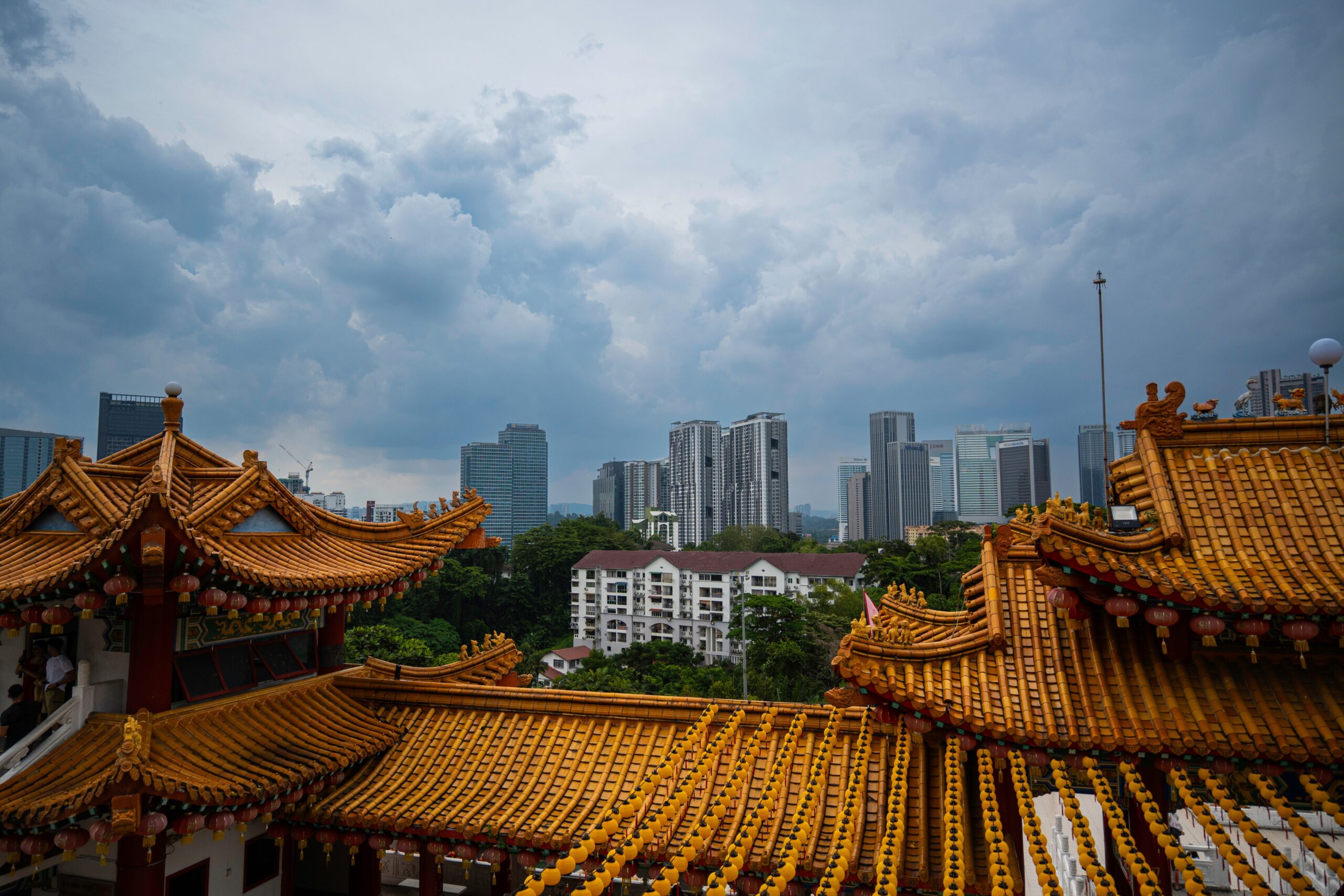
- Kuala Lumpur: modernity and traditions side by side.
- Malacca: colonial history, colorful alleys.
- Penang (Georgetown): street art, Chinese and Indian heritage.
- Kota Kinabalu (Borneo): markets, access to Mount Kinabalu.
- Ipoh: colonial architecture, trendy cafés.
When it comes to culture, Malaysia surprises with its many influences. Kuala Lumpur is the symbol of the country’s dynamism, with modern buildings and ancient temples side by side. Malacca, a UNESCO World Heritage site, tells its colonial history through its architecture. Penang, especially Georgetown, is an open-air museum of street art and temples. Kota Kinabalu, on Borneo, is the starting point for exploring the region and tasting local markets. Ipoh, more low-key, charms with its retro atmosphere and trendy cafés. To immerse yourself in the local culture, there’s nothing like a night market or a festival: that’s where Malaysia shows its true face.
Travel itineraries in Malaysia
A classic itinerary in Malaysia combines Kuala Lumpur, Malacca, the Cameron Highlands, Penang and the islands. For two weeks, focus on the peninsula; with three weeks, add Borneo or other islands. Adjust according to your preference for nature, culture or relaxation.
The length of your stay will guide your choices. In two weeks, focus on the peninsula to enjoy the cities, nature and beaches. Three weeks let you explore Borneo, its national parks and its incredible wildlife. The itineraries are flexible: adapt them to your interest in diving, hiking or culture.
Building your tour of Malaysia is mostly a matter of priorities. More into beaches and diving? Head to the islands of the east coast or Langkawi. Need cooler air and hiking? The Cameron Highlands are made for you. History buff? Malacca and Penang are must-sees. Borneo will appeal to wild nature enthusiasts. Transportation is efficient, so there’s no need to rush: group your stops by region to save time, and remember to book flights or ferries in advance, especially in high season. And leave yourself a day or two to improvise, it’s part of the fun of travel!
Comparison table: 2-week vs 3-week itinerary
| Duration | Main stops | Pace | Type of traveler |
|---|---|---|---|
| 2 weeks | Kuala Lumpur, Malacca, Cameron Highlands, Penang, islands | Fast-paced | Discovery, first-timers |
| 3 weeks | + Borneo (Kota Kinabalu, Sepilok, Bako), + extra islands | More relaxed | Nature, adventure, family |
This table sums up the differences between a two-week and a three-week stay. Two weeks are enough to discover the essentials of the peninsula, but the pace is fairly fast. Three weeks mean more time for Borneo, nature or relaxing on the islands. This format is ideal for families, adventurers or those who like to take their time. Adjust the length of each stop to your wishes, and keep some free time to catch your breath or explore at your own pace.
2-week itinerary (stops in detail)
- D1-2: Kuala Lumpur (sightseeing, markets)
- D3: Malacca (historic center)
- D4-5: Cameron Highlands (hikes, plantations)
- D6-8: Penang (Georgetown, street food)
- D9-13: Perhentian Islands or Langkawi (beaches, snorkeling)
- D14: Return to Kuala Lumpur
This itinerary covers the essentials of the Malaysian peninsula. Two days in Kuala Lumpur to discover the city, its towers and its lively neighborhoods. Malacca, reachable by bus, immerses you in history. The Cameron Highlands are perfect for hiking and enjoying a milder climate. Penang charms with its heritage and its cuisine. Finally, the islands offer relaxation and water activities. The route is packed but balanced, ideal for a first introduction. Favor buses or trains for getting around, and book your accommodations in advance, especially for the islands in high season.
3-week itinerary (stage details)
- D1-2: Kuala Lumpur
- D3: Malacca
- D4-5: Cameron Highlands
- D6-8: Penang
- D9-12: Perhentian Islands or Langkawi
- D13-15: Flight to Borneo (Kota Kinabalu, Mount Kinabalu)
- D16-18: Sepilok (orangutan rehabilitation center)
- D19-20: Bako National Park (wildlife, beaches)
- D21: Return to Kuala Lumpur
In three weeks, you have time to explore without rushing. After the peninsula, fly off to Borneo: Kota Kinabalu kicks off the adventure with Mount Kinabalu or the local markets, Sepilok lets you get close to the orangutans, and Bako park offers wildlife and wild beaches. This route is perfect for the curious, for families, or for anyone who wants to mix adventure and relaxation. Check domestic flights and book some accommodations in advance, especially in the national parks.
Malaysia travel budget
The average budget for traveling in Malaysia ranges from €35 to €60 per day per person, depending on the level of comfort you want. The main expenses are accommodation, food, transportation and activities. Prices are reasonable compared with other Asian countries.
Malaysia is accessible to all budgets, whether you travel backpacker-style or are looking for comfort. Accommodation, street food and local transportation are affordable. Activities such as diving or excursions can raise the budget, but remain reasonable. Allow a small margin for unexpected costs or last-minute whims.
To manage your budget well, separate fixed expenses (accommodation, meals, transportation) from extras (excursions, souvenirs, special activities). Hostels and guesthouses are very inexpensive, and street food lets you eat a variety of dishes for a few euros. Buses and trains are cheap, while domestic flights or private transfers cost more. Activities such as diving or guided tours are a nice extra, but plenty of things are free: hikes, markets, beaches. For families, plan a slightly higher budget for comfort and children’s activities. And keep a reserve for favorites you discover along the way. Small bonus: in the markets, haggling is often possible!
Table: budget by category (per day per person)
| Category | Backpacker | Comfort | Family |
|---|---|---|---|
| Accommodation | Hostel, guesthouse | 2-3* hotel | Family room, hotel |
| Meals | Street food, small restaurants | Varied restaurants | Local meals, snacks |
| Transportation | Bus, train, ferry | Domestic flights, taxis | Car rental, transfers |
| Activities | Hikes, free activities | Excursions, diving | Parks, family activities |
This table gives a clear idea of the differences in budget depending on how you travel. Backpackers opt for the most economical solutions, while those who want comfort choose mid-range hotels and varied restaurants. Families look for spacious accommodations and children’s activities. Transportation and activities make the budget vary, so compare and book in advance if possible.
Sample budgets by traveler profile
- Backpacker: hostels, street food, buses, free activities.
- Comfort: mid-range hotels, restaurants, paid excursions.
- Family: suitable accommodations, varied meals, children’s activities, private transfers if needed.
Adapting your budget to your profile means traveling without stress. Backpackers can stay a long time for little money by relying on local transportation and street food. Those looking for comfort enjoy well-located hotels, good restaurants and organized excursions. Families aim for safety, comfort and convenience, sometimes with private transfers or targeted activities. In every case, Malaysia offers excellent value for money.
Tips for saving money
- Eat local at the markets and street food stalls.
- Book transportation and accommodations in advance for better rates.
- Consider night buses for long distances.
- Take advantage of free activities (hikes, beaches, markets).
- Negotiate prices at the markets or for some accommodations.
A few simple tips let you travel smart. Street food is affordable and delicious. Early bookings, especially in high season, bring prices down. Night buses let you save on a hotel night and gain time. Many activities are free: walks, markets, beaches. Finally, haggling is still common, so give it a try… with a smile!
Transportation and getting around in Malaysia
Malaysia has an efficient transportation network: buses, trains, domestic flights, ferries, taxis. Trips between cities are easy to organize. For Borneo or the islands, favor the plane or the boat. Renting a car is possible but not essential on the peninsula.
Express buses connect all the major cities at low prices. Trains are comfortable but a little slower. Domestic flights are handy for Borneo or remote islands. Taxis and ride-hailing (Grab) apps are very useful in cities. For the countryside or the Cameron Highlands, car rental gives you more freedom, but driving on the left can be surprising.
Getting around Malaysia is easy and affordable. The long-distance bus network is extensive, the bus stations are well organized, and tickets are easy to buy on site or online. Trains are a good alternative for some routes, such as Kuala Lumpur, Ipoh or Penang. Domestic flights are fast, especially for Borneo or the islands. In the city, Grab lets you book a taxi in just a few clicks, at a fixed price. To explore the countryside or the mountains, renting a car gives you flexibility, but it requires an international license and some adjustment to local driving. Ferries are essential for the islands — watch the schedules depending on the season. One tip: travel light, as some journeys involve walking or changing transport several times!
Means of transport: pros and cons
- Long-distance bus: low price, extensive network, variable comfort.
- Train: relaxed, beautiful scenery, but slower.
- Domestic flights: fast, very convenient for Borneo or Langkawi.
- Ferry: access to the islands, schedules to watch depending on the weather.
- Taxi/ride-hailing (Grab): perfect in the city, fixed prices via the app.
- Car rental: total freedom, useful outside the big cities.
Each mode of transport has its strengths and limits. Buses are unbeatable for price and frequency, but comfort depends on the company. Trains offer beautiful scenery and a relaxing ride, but don’t go everywhere. Domestic flights are efficient for long distances. Ferries are essential for the islands, but depend on the weather. Taxis and ride-hailing are convenient in the city, especially for short trips or in the evening. Car rental is ideal for getting off the beaten track, but be careful with driving on the left and with road signs. For a stress-free trip, combine modes of transport according to your needs.
Getting around the peninsula
On the peninsula, buses and trains are enough to connect the main stops. Taxis or ride-hailing fill in for short trips. Renting a car is mostly useful for the Cameron Highlands or remote areas.
Travel between Kuala Lumpur, Malacca, Penang or the Cameron Highlands is easy by bus or train. Stations and terminals are well located and accessible by city transport. For short trips or transfers, Grab is very convenient and saves you from haggling. Renting a car is worthwhile for exploring less well-served areas, but it isn’t essential for a classic itinerary. If you drive, be careful with driving on the left and with mountain roads. For short distances or excursions, local taxis remain a simple and affordable option.
Getting to the islands and Borneo
For the islands (Perhentian, Langkawi), the ferry is a must. Schedules change with the season, so check ahead. For Borneo, the plane is the simplest and fastest option. Once there, local buses, taxis and minibuses serve the national parks and major sites.
Access to the islands depends greatly on the weather and the seasons. In high season, ferries are frequent, but it’s best to book ahead, especially for the Perhentian Islands or Langkawi. In the off-season, some services stop. For Borneo, several airlines connect the peninsula to the main cities (Kota Kinabalu, Kuching). Once there, buses and minibuses make it easy to reach parks, rehabilitation centers or villages. Taxis and ride-hailing are common in the city, but rarer in the countryside. For trips to the parks, it is often possible to book a transfer through your hotel or an agency. One tip: leave some margin in your schedule, as times can be… flexible, local style!
Entry requirements, health and safety in Malaysia
For French citizens, no visa is needed for a tourist stay of less than 90 days. There are no mandatory vaccines, but a few precautions are advised. The country is generally safe, as long as you follow the basic rules for health and safety.
Entering Malaysia is easy: a valid passport is enough. For health, watch out above all for mosquitoes (dengue, malaria in some areas). Tap water is not drinkable. As for safety, the country is welcoming, but keep an eye on your belongings in tourist areas.
Before leaving, check that your passport is valid and keep a digital copy of your important documents. For health, keep your vaccines up to date and consult a doctor for tailored advice. Mosquitoes can transmit dengue, and sometimes malaria in rural areas: bring repellent, long clothing, and a mosquito net if needed. Don’t drink tap water; use bottled or filtered water. Malaysia is known to be safe and relaxed, but it’s best to stay alert with your personal belongings, especially in big cities or markets. Respect local customs, especially in religious places. Finally, the tourist police are present in busy areas, and hospitals are of a good standard in the big cities.
Entry requirements, health and safety: key points
- Passport valid for 6 months after entry.
- No visa for tourist stays of less than 90 days.
- No mandatory vaccines, but standard routine vaccines are recommended.
- Protect yourself from mosquitoes (repellent, long clothing).
- Drink bottled water.
- Respect local customs (dress, behavior).
- Safe country, watch out for pickpockets in big cities.
Keep these points in mind to leave with peace of mind. Remember to check for any regulation changes or health advice before departing. For long stays or in rural areas, personalized medical advice is useful. If you run into trouble, the French embassy or consulate can help you. And above all, a respectful attitude toward local customs will open many doors for you.
Visa and required documents
For French citizens, a valid passport is enough for a tourist stay of up to 90 days. No visa needs to be requested before departure. For a longer stay or other purposes, contact the embassy.
Check the validity of your passport carefully (at least 6 months after entry). On arrival, a stamp allows you to stay 90 days. No visa is required for short stays, but for a business trip, an internship or an extended stay, you need to inquire with the embassy. Keep a copy of your documents, on a USB drive or online. For minors traveling alone or with only one parent, additional documents may need to be provided.
Health, vaccines and precautions
No mandatory vaccines, but be up to date on your routine vaccines (DTP-polio, hepatitis B). Hepatitis A and typhoid are recommended for long stays or in rural areas. Protect yourself well from mosquitoes and avoid tap water.
To reduce the risks, follow a few simple precautions: insect repellent, long clothing in the evening, and a mosquito net if you sleep in the forest or the countryside. Wash your hands before eating, and prefer bottled water. For trips off the beaten track, consult a doctor to update your vaccinations. Hospitals are good in cities, but rarer in the countryside. Pack a first-aid kit with the essentials. If in doubt, ask your hotel or a local pharmacist for advice.
Risks and safety tips
Malaysia is safe for travelers. The main risks come from traffic, mosquitoes and petty theft in tourist areas. Follow local recommendations, avoid walking alone at night in isolated neighborhoods, and keep your valuables safe.
Safety is good, but stay alert in big cities or very crowded places. Pickpockets sometimes target markets, public transportation or tourist sites. Keep your valuables in a safe place, use a closed bag and do not show large sums of money. Traffic can be chaotic, especially in cities or in the mountains: be careful if you are driving or crossing the street. Follow the instructions of the authorities in case of bad weather or special events. A smile and a little respect for local customs, and everything goes smoothly, even if something goes wrong!
Practical tips for a trip to Malaysia
For a successful trip to Malaysia, plan your itinerary, adapt your suitcase to the climate, bring an international bank card and download the useful apps. Respect local customs and find out about public holidays and religious festivals.
Traveling in Malaysia is easy, but a few tips make life simpler once you are there. Think about the weather, the cultural diversity and digital tools to stay connected. Pack a suitcase suited to the heat and humidity, and always keep a plan B in case of rain.
To make the most of your trip, plan ahead for the essentials: check the weather, travel light with clothing suited to the tropical climate, and slip a raincoat into your bag. An international bank card with no fees saves you from unpleasant surprises when paying or withdrawing cash. Mobile apps make it easy to book transportation, navigate and convert currencies. Buy a local SIM card to stay connected, which is super handy for ordering a taxi, finding a restaurant or checking ferry schedules. Respect dress codes, especially in religious places, and find out about local festivals (Ramadan, Chinese New Year) to avoid unpleasant surprises. Finally, keep a digital copy of your documents and check transportation schedules before each leg of your trip. A little organization and everything runs smoothly!
10 practical tips for traveling in Malaysia
- Pack lightweight clothing and a raincoat.
- Use an international bank card with no fees.
- Download transportation apps (Grab, Moovit).
- Buy a local SIM card for Internet access.
- Respect dress codes in religious places.
- Try the street food, but avoid tap water.
- Bring a plug adapter (type G).
- Check public holidays and religious festivals (Ramadan, Chinese New Year).
- Keep a copy of your important documents.
- Find out about ferry and domestic flight schedules.
These tips will spare you many small hassles. Lightweight clothing that breathes is essential in the tropical climate, but a raincoat will save you during sudden downpours. Mobile apps make it easier to get around or book accommodation. A local SIM card guarantees a reliable connection at a low price. Respecting dress codes is essential in temples and mosques, and shows your respect for the local culture. Finally, planning around public holidays and keeping a copy of your papers is the guarantee of a stress-free trip.
Useful apps and tools
- Grab: ride-hailing, taxis, food delivery.
- Moovit: public transportation info.
- Google Maps: navigation, schedules.
- XE Currency: currency conversion.
- WhatsApp: communication on site.
- Agoda/Booking: accommodation booking.
These apps are real allies on the ground. Grab makes getting around the city easier, and even lets you order food during a heavy rain. Moovit and Google Maps are perfect for planning your trips, by public transportation or on foot. XE Currency helps you track your spending and convert prices in a flash. WhatsApp is widely used to communicate with hotels or agencies. Finally, Agoda and Booking offer a wide choice of accommodation, with reviews and instant booking. Remember to download everything before you leave and to activate a local SIM card to stay connected everywhere.
Customs and etiquette to know
- Take off your shoes before entering homes, and some temples or mosques.
- Dress modestly in religious places: shoulders and knees covered, sometimes a scarf for women.
- Public displays of affection are frowned upon.
- Use your right hand to give or receive something.
- Do not touch the head of an adult (a gesture reserved for children in Buddhist culture).
- Be on time for appointments, even if the notion of time can be more flexible than in Europe.
- A smile always makes communication easier, even in case of a misunderstanding!
FAQ
The ideal period is from March to October, when the climate is drier on the peninsula. Avoid the east coast between November and February because of the monsoon.
Plan on 35 to 60 € per day depending on your comfort level: accommodation, meals, transportation and activities included.
No, for French citizens, no visa is required for a tourist stay of less than 90 days. A passport valid for 6 months is enough.
There are no mandatory vaccines, but make sure your routine vaccinations are up to date. Hepatitis A and typhoid are recommended for long or rural stays.
Buses, trains, domestic flights, ferries and taxis cover the whole country. Grab is very convenient in cities. For Borneo and the islands, it’s best to travel by plane or ferry.
Yes, the country is safe for travelers. Stay alert in very crowded places and protect yourself from mosquitoes.
Leave a Reply