


Caring for your modest sportswear is a habit that makes all the difference over time. With the right care, you preserve the quality of the fabrics, avoid lingering odors and extend the life of your favorite outfits. This guide walks through each step, from sorting to drying, so your clothes stay high-performing, comfortable and always ready to keep up with you, workout after workout.
In brief:
- Sort clothes by color and fabric before washing to prevent color transfer and protect the fibers.
- Wash at a low temperature (max 30°C), with a gentle detergent, no fabric softener, and choose a low spin speed.
- Dry in the open air, away from direct sunlight, to preserve shape and elasticity.
- Use natural tips (vinegar, baking soda) against odors and treat stains quickly.
Why care for your modest sportswear?
Regular care of modest sportswear keeps fabrics in good condition, limits bad odors and extends the lifespan of your outfits. It also protects the technical qualities that are essential for comfort and performance during exercise.
Modest sportswear is made from technical fabrics such as polyester or elastane, designed to breathe, wick away sweat and keep their shape. But these fibers remain fragile when faced with wear and intensive washing. Good care maintains the softness, color and moisture-wicking efficiency of the fabrics. It also helps prevent the buildup of bacteria responsible for odors, a real plus when wearing covering clothing for intense activities. And taking care of your clothes also means avoiding waste: each piece keeps its qualities longer, which is both economical and eco-friendly. In short, a few simple steps are enough to keep your technical clothing effective, pleasant and ready for action.
Risks of poor care (odors, wear, loss of elasticity)
Poor care risks odors that cling, fabrics that wear out quickly and clothes that lose their hold and softness. The result: less comfort, less performance, and sometimes pieces that can no longer be worn.
Neglecting care means exposing yourself to stains that set in and odors that won’t go away, even after several washes. Synthetic fibers, in particular, hold on to sweat and bacteria if they are not properly cared for. A spin cycle that is too strong or a temperature that is too high can break down the elastic fibers, making clothes less fitted and less comfortable. The seams and technical details, which are heavily stressed, also wear out faster. Finally, drying in the sun or in a dryer can warp or shrink the fabrics. In short: with neglected care, your technical clothing quickly becomes ordinary garments of no real interest.
Specifics of modest clothing (layers, fabrics, requirements)
Modest sportswear is designed to cover, layer multiple pieces and use specific technical fabrics. It therefore requires gentle care to preserve its modesty, shape and all the qualities of the materials.
Often, these garments combine several layers: one to wick away sweat, one to insulate, and sometimes another to protect. Each layer reacts differently to detergent, temperature or friction. Microfibers and synthetic blends are chosen for their lightness and quick drying, but they don’t like harsh products. Details such as zippers, Velcro or reinforced seams also need attention so they don’t wear out too quickly. Finally, if the cut stretches out or loses its shape, modesty and coverage are no longer there. Careful maintenance is therefore the secret to keeping comfort, look and performance.
-
Bestseller
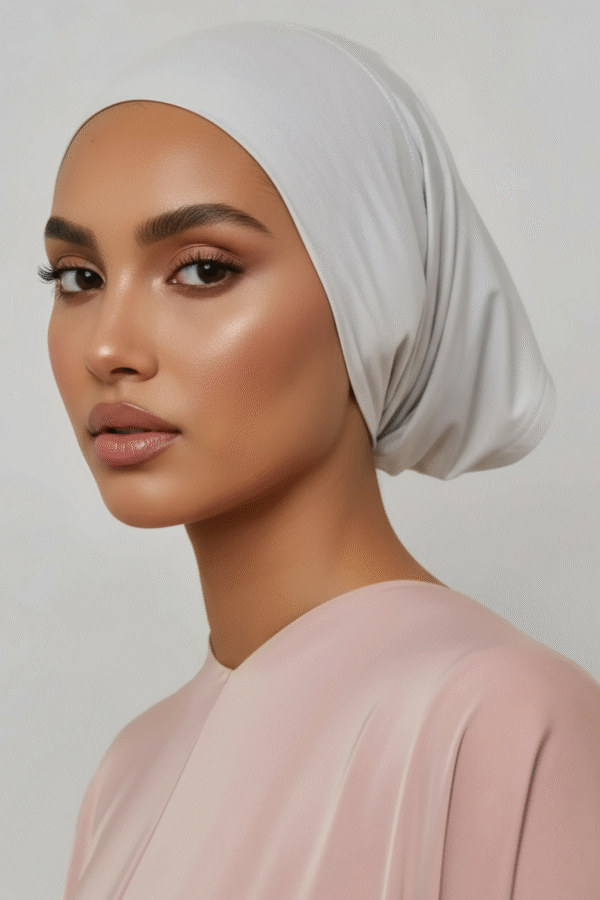
Soft Cotton Hijab Underscarf
£6.24Select options This product has multiple variants. The options may be chosen on the product page -
Bestseller-21 %
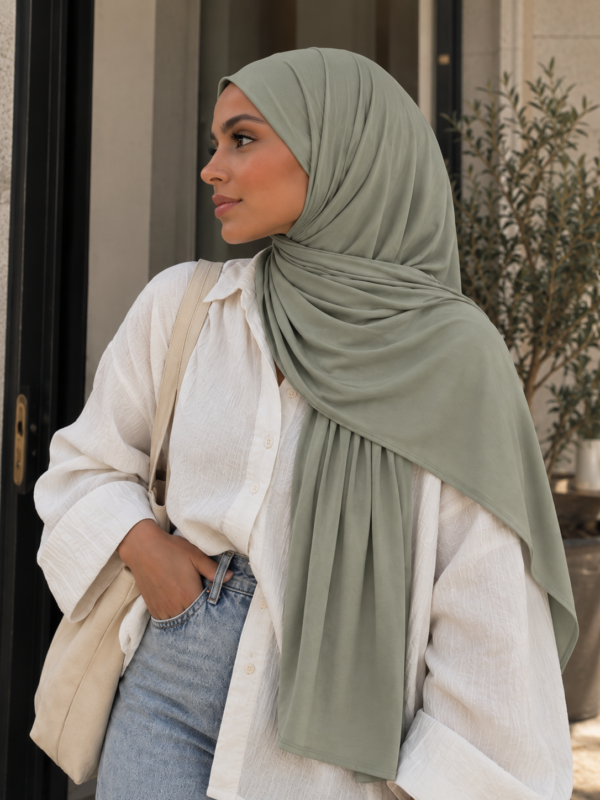
Hijab Premium High-End Bamboo Jersey – Lightweight, Crease-Resistant!
Original price was: £16.32.£12.84Current price is: £12.84.Select options This product has multiple variants. The options may be chosen on the product page -
Sold out
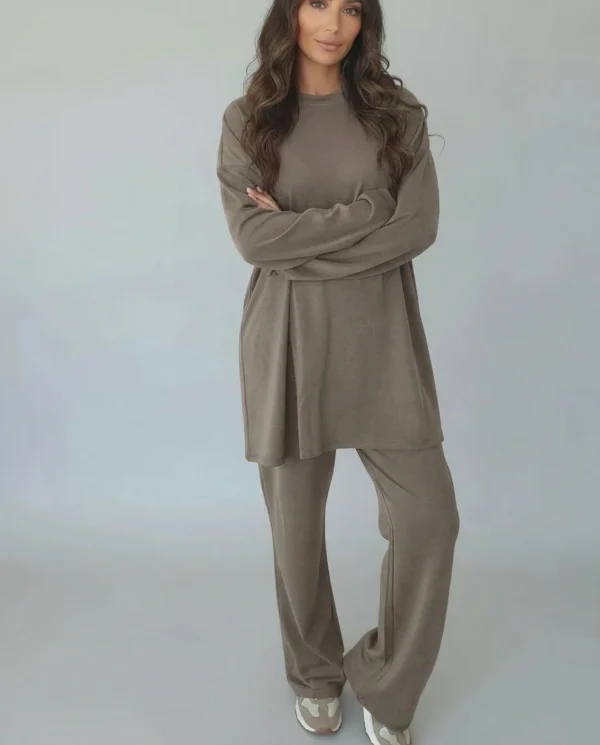
Hijab-Friendly Sportswear - Loose Top and Flowing Trousers - Taupe
Original price was: £27.96.£24.84Current price is: £24.84.Select options This product has multiple variants. The options may be chosen on the product page

Sort and prepare your clothes before washing
Before starting the machine, sorting your modest sportswear by color and fabric, turning it inside out and closing zippers and Velcro remains the basics. This preparation protects the fabrics, limits friction and improves cleaning.
A well-done sort prevents color transfer and protects delicate fabrics. Turning clothes inside out protects prints and seams, and closing zippers and Velcro prevents snagging and wear, especially on multi-layer pieces or those with technical details.
Taking this time helps you avoid plenty of surprises when you take your clothes out of the machine. A laundry bag protects delicate items or those with details. Always empty the pockets: a forgotten tissue can ruin a load of laundry, and hard objects damage both clothes and the machine. For highly technical garments, a separate wash is sometimes recommended. This preparation is also the right time to spot and treat stains, so you get spotless results.
Sorting by color and fabric
- Separate light-colored clothes, dark ones and brightly colored ones.
- Keep technical fabrics (synthetics, microfibers) apart from cottons or other materials.
- Wash garments with similar properties together to avoid misshaping.
Effective sorting means less risk of color transfer, especially during the first washes. Technical garments, which are often sensitive, benefit from being washed together to limit abrasion. Cotton, wool and synthetic fabrics don’t have the same needs: separating them optimizes cleaning and limits wear. For new garments or very brightly colored ones, a separate wash is recommended. When in doubt, the care label remains your best ally.
Preparation: turn inside out, close zippers/Velcro, empty pockets
- Turn each garment inside out.
- Close all zippers, Velcro and buttons.
- Empty the pockets (tissues, keys…).
- Place delicate pieces in a laundry bag if needed.
This step protects prints and logos, which are often sensitive to friction. Closed zippers and Velcro prevent snagging other fabrics or wearing out too quickly. The laundry bag is great for base layers, thin pieces or those with details. And checking the pockets saves you plenty of trouble and keeps the quality of your clothes for longer.
Machine washing modest sportswear
Machine washing is possible, as long as you choose a low temperature (max 30°C), a gentle detergent and a delicate cycle. No fabric softener, low spin speed: your technical fibers will thank you.
A gentle wash preserves the fabrics, maintains their breathability and prevents bad odors. Fabric softener clogs the fibers and reduces their effectiveness: avoid it. An overly strong spin misshapes full-coverage or multi-layered garments.
For a truly effective wash, don’t overload the machine: the water and detergent need to circulate well. The “sport” or “delicate” cycles respect the structure of the fibers and limit abrasion. To boost the odor-fighting action, a pre-soak with white vinegar or baking soda works well. Take the clothes out as soon as the cycle ends to avoid lingering moisture, the favorite playground of bacteria.
Suitable temperature, detergent and cycle
- Temperature: 30°C maximum.
- Detergent: liquid, gentle, with no bleaching agents or fabric softener.
- Cycle: delicate or “sport”, low spin speed (max 800 rpm).
Following these settings preserves the technical fibers and maintains their breathable performance. Liquid detergents dissolve better at low temperatures and leave fewer residues. The “sport” cycles are designed to clean without being harsh. A gentle spin prevents misshaping, especially for long pieces or multi-layered garments.
Recommended washing frequency
Wash your modest sportswear after every session to prevent bacteria and odors, especially for full-coverage pieces or those worn directly against the skin.
Regular washing keeps your outfits fresh and hygienic. For base layers or garments worn during intense exertion, washing every time is a must. For jackets or outer layers that are less exposed to perspiration, less frequent washing is enough, as long as you air them out well. Adjust the frequency according to the intensity of the activity and the season.
Odor-fighting tips (vinegar, baking soda, pre-soaking)
- Soak the clothes in cold water with a little white vinegar or baking soda before washing.
- Add a tablespoon of baking soda to the drum to boost the odor-fighting effect.
- Dry quickly to prevent bacteria from multiplying.
These natural solutions are effective and gentle on the fibers. White vinegar neutralizes odors, while baking soda absorbs moisture and helps lift stains. A 30-minute pre-soak refreshes the most heavily used garments. Use in moderation so as not to damage the fabrics over the long term.
#### Machine washing steps
- Sort and prepare the clothes (turn inside out, close, empty).
- Place them in the machine, ideally in a laundry bag.
- Add one dose of mild detergent (no fabric softener).
- Select the delicate program at 30°C with a low spin speed.
- Start the cycle and take the clothes out promptly when it ends.
Following these steps keeps your clothes clean, technical and comfortable, wash after wash.
Hand washing: when and how?
Hand washing is recommended for the most fragile or technical modest sportswear. Use cold water and a mild detergent, and avoid scrubbing too hard so you don’t damage the fibers.
This method is ideal for delicate pieces, layered items or those with sensitive details. It lets you target the areas that need cleaning while limiting wear and deformation of the fabrics.
Hand washing is the solution for embellished garments, those with heat-transfer prints or very thin fabrics. You can treat the most exposed areas, such as the underarms or cuffs, without putting the whole garment at risk. For multi-layer pieces, washing by hand keeps the layers from warping or peeling apart. Yes, it takes a little more time, but your delicate clothes will thank you in the long run. If you’re unsure how well a garment will hold up, hand washing remains the best option.
Step-by-step hand washing method
- Fill a basin with cold water or lukewarm water (never hot).
- Add a small amount of mild detergent.
- Submerge the clothes and let them soak for 10 to 15 minutes.
- Gently rub stained or smelly areas.
- Rinse thoroughly with clean water, without wringing excessively.
Dissolve the detergent well before immersing the clothes. Rub with care, especially on the areas most exposed to perspiration. Rinse carefully to remove every trace of product. Press gently to remove excess water, without wringing, to preserve the shape.
Pros and cons of hand washing
Hand washing protects fragile textiles, limits deformation and lets you treat stains locally. However, it takes longer and is less practical for large loads or very thick garments.
It’s the ideal method for technical clothing, base layers or pieces with fine details. It avoids the abrasion and pilling typical of machine washing. But for bulky or thick pieces, rinsing and wringing can become a real workout. This method takes time, but it remains the best ally for the most sensitive garments.
#### Hand washing steps
- Fill a basin with cold water.
- Add the mild detergent.
- Let the clothes soak for 10 to 15 minutes.
- Gently rub the dirty areas.
- Rinse carefully with clean water.
- Press gently to remove excess water, without wringing.
By following these steps, you clean gently and extend the lifespan of your modest sportswear.
Drying and storing modest sportswear
After washing, prefer air drying, away from direct sunlight. Avoid the dryer to preserve the elasticity and shape of technical fabrics.
Natural drying limits shrinkage, deformation and the loss of technical properties. Direct sunlight can fade colors and weaken fibers. The dryer, even on a gentle setting, wears fabrics out prematurely and reduces their performance.
For optimal drying, lay the clothes flat or hang them on a hanger in a well-ventilated spot. Avoid overlapping them so the air can circulate properly. If you’re short on space, wide hangers help keep the shoulders in shape. For very thick or multi-layer garments, turn them over halfway through drying for an even result. Quick drying also limits the growth of the bacteria responsible for odors. And if you’re in a hurry, a fan or a dehumidifier can speed up drying while staying gentle.
Air drying vs. dryer
- Air drying: lay the clothes flat or hang them on a hanger, in a ventilated spot away from the sun.
- Dryer: avoid, unless the label says otherwise. Risk of shrinkage and loss of elasticity.
Air drying remains the gentlest method for keeping the shape and color of your clothes. The dryer, even on a delicate setting, can damage technical fibers. If you really have no other choice, opt for a low-temperature program and take the clothes out as soon as the cycle ends.
Storage tips to preserve shape
- Fold carefully or hang on a hanger.
- Avoid cramming them together so they don’t get wrinkled or misshapen.
- Store them in a dry place, away from light and humidity.
Smart storage extends the lifespan of your clothes. Use hangers for long tops or jackets, and fold trousers and leggings to keep them from stretching out. Avoid plastic bags and damp places, which lead to mold. A little organization keeps your clothes ready to wear, with no unpleasant surprises.
Tips and mistakes to avoid for long-lasting care
To help your clothes hold up, avoid fabric softener, washing at too high a temperature and ironing. Opt for natural tips against odors and treat stains quickly to keep your outfits looking their best.
Proper care means clothes that keep their like-new look and their technical qualities. Natural tips are effective and gentle. Classic mistakes, on the other hand, quickly damage your favorite pieces.
Adopting the right habits makes life easier: washing too hot, a little fabric softener or drying in the sun is enough to ruin a technical outfit. Natural solutions like white vinegar or baking soda are economical and eco-friendly. For stains, Marseille soap works wonders, especially when used before washing. And for stains, don’t wait: the sooner they’re treated, the more effective it is. In short: care is the key to clothes that are always ready to keep up with your pace.
Natural anti-odor and stain removal tips
- White vinegar: neutralizes odors; use it as a pre-soak or in the rinse compartment.
- Baking soda: absorbs odors and helps with stain removal.
- Marseille soap: perfect for treating stains before washing.
- Quick drying: slows the growth of the bacteria responsible for bad odors.
These tips are easy to put into practice and respect the delicacy of the fibers. White vinegar, in a small amount, freshens without leaving a smell. Baking soda, sprinkled on problem areas, acts as a natural deodorizer. Marseille soap, applied directly to the spot, makes stain removal easier without damaging the fabric.
Leave a Reply