


Prayer is truly the heart of Muslim practice. It is a major pillar, present in the daily lives of millions of people around the world. Whether you are here to learn, to teach, or just to better understand how it works, this guide lays everything out in a clear, organized and easy-to-follow way.
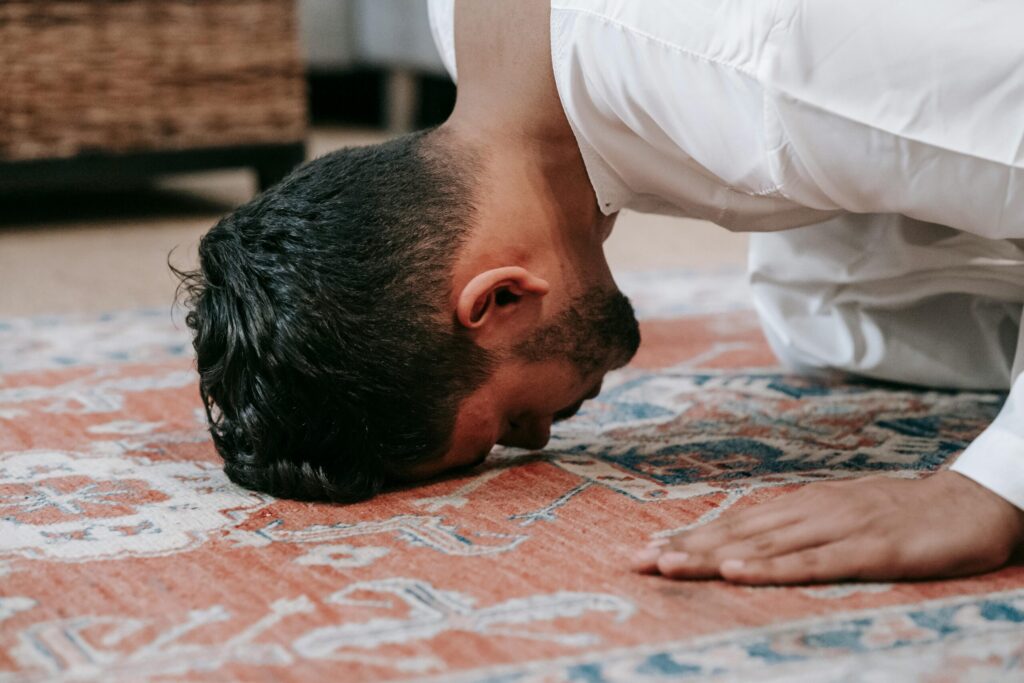
The 5 obligatory prayers in Islam
The five daily prayers, known as Salat, set the rhythm of a Muslim’s day. Each one has its own name, a specific time slot during the day and a set number of rakats (units of prayer).
Summary table of the 5 prayers (names, times, rakats)
| Name of the prayer | Approximate time* | Number of obligatory rakats |
|---|---|---|
| Fajr | At dawn, before sunrise | 2 |
| Dhuhr | After the zenith, early afternoon | 4 |
| Asr | Mid/late afternoon | 4 |
| Maghrib | Just after sunset | 3 |
| Isha | Night, after twilight has disappeared | 4 |
*Times change depending on where you are and the season. Apps or mosque calendars are there to make your life easier.
This table gives you a simple overview of how the prayers are organized throughout the day. The times are set by the movements of the sun, so they vary every day. Many people use an app or the schedule posted at the mosque so they don’t get mixed up. Remember to check regularly, especially when the seasons change. The number of rakats shown here is the strict obligatory minimum. But you can add more if you want to deepen your practice.
Meaning of each prayer (Fajr, Dhuhr, Asr, Maghrib, Isha)
- Fajr: The prayer at the very start of the day. A moment to begin calmly, before everything gets busy.
- Dhuhr: The early afternoon prayer, right when the day is in full swing. A pause to catch your breath.
- Asr: The afternoon, when fatigue can set in. A reminder to stay on course.
- Maghrib: Just after sunset. We move gently from day to night.
- Isha: The evening, when everything settles down. It is the prayer that closes the day.
Each prayer falls at a very specific time and has its own meaning. Fajr is the fresh start, perfect for settling in before tackling the day. Dhuhr is the pause that comes when you’re at full speed. Asr is the time to stay consistent, even when your energy dips. Maghrib is the transition, a time to give thanks. Isha is the calm before the night. This routine structures the day and helps you stay connected to what matters most. And if you struggle to get up for Fajr, don’t worry, you’re not alone!
How to pray in Islam: essential steps and movements
The Muslim prayer is a whole sequence of movements and words that follow one another in a precise order. Every movement counts and has a purpose.
The different positions of the prayer (standing, bowing, prostration, sitting)
1. Standing (Qiyam): You stand upright, hands crossed over the chest or stomach.
2. Bowing (Ruku’): You bow, back straight, hands resting on the knees.
3. Prostration (Sujud): Forehead, nose, palms, knees and toes touch the ground. It is the most humble gesture.
4. Sitting (Jalsa): A short seated pause, either between two prostrations or at the end.
Each rakat (prayer cycle) repeats these positions in the same order.
These movements are not there by chance: they show humility, respect and connection to God. Going from standing to prostrating is like setting the ego aside. Repeating them several times a day builds discipline and focus. When you’re starting out, practicing in front of a mirror or following videos can help. Children often learn by copying adults. Take the time to properly learn each movement, speed will come later.
What to say during the prayer? (main words and phrases)
- Opening: “Allahu Akbar” (God is the Greatest)
- Reciting the Fatiha: The opening chapter of the Quran, recited in every rakat.
- Surah or verses: After the Fatiha, another surah or a few verses are added.
- Bowing: “Subhana Rabbiyal Azim” (Glory to my Lord, the Most Great)
- Prostration: “Subhana Rabbiyal A’la” (Glory to my Lord, the Most High)
- Sitting: The greetings and supplications are recited (Tashahhud)
- End: “Assalamu Alaikum wa Rahmatullah” (May the peace and mercy of God be upon you), turning the head to the right and then to the left.
These are the basics, but there are guides for every detail.
The words are in Arabic, but don’t panic: you can learn them little by little. The Fatiha is the foundation, recited in every unit. Then you add a surah or a few short verses. The phrases during bowing and prostration are easy to remember. The Tashahhud, in the sitting position, contains the greetings and supplications for the Prophet. And the final salutation marks the end. To begin, focus on the Fatiha, then add the rest at your own pace. With time, everything flows naturally, even without a super memory.
Tips for memorizing the steps of the prayer
- Visualize each position: Associate each movement with an image in your mind.
- Repeat under your breath: Repetition helps fix the words in your memory.
- Use visual aids: Diagrams, videos, apps… anything helps.
- Practice in a group: It’s often easier and more motivating with others.
- Go step by step: Start with the shortest prayer (Fajr), then expand.
To memorize, break the learning into stages. The movements first, then the words. Diagrams or videos help you visualize the sequence. Apps often offer reminders and interactive tutorials. Practicing with family or friends lets you help and correct each other. There’s no need to aim for perfection right away: it’s better to be consistent than to go too fast. One step after another, and the prayer quickly becomes a natural reflex.
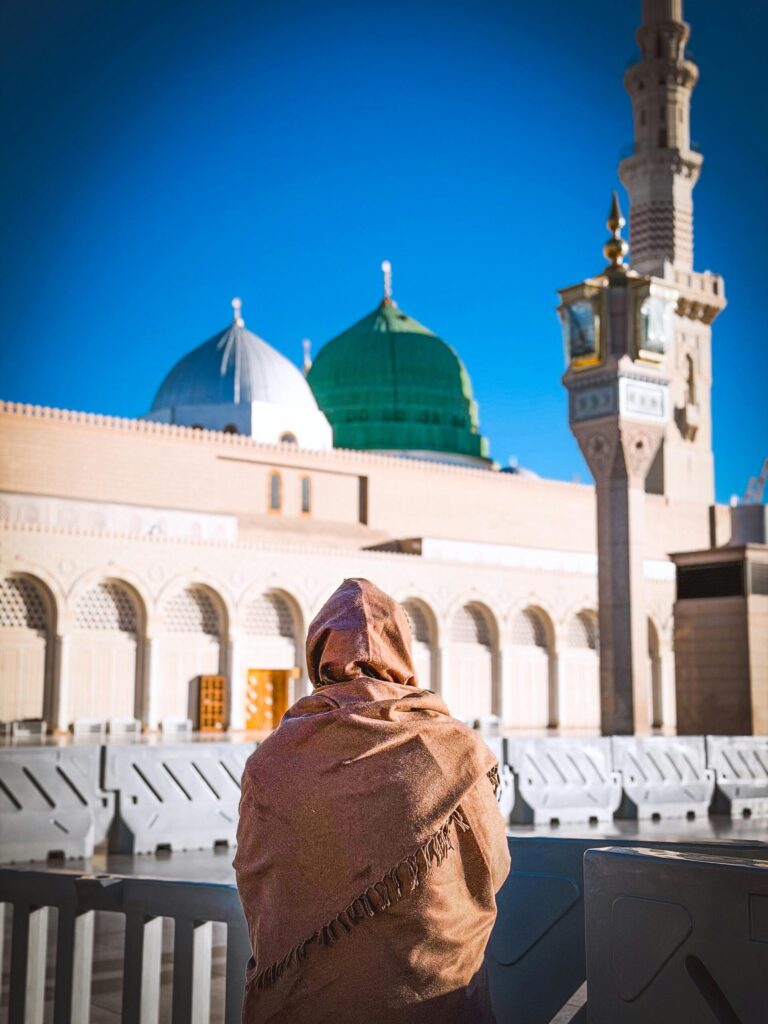
Obligatory prayers and voluntary prayers: what are the differences?
In Islam, there are more than just the obligatory prayers. There are also recommended prayers, to go further in your practice.
Recommended voluntary prayers (Sounnah)
Voluntary prayers (Sounnah) are additional prayers, not obligatory but highly recommended. They are often placed before or after the obligatory prayers and bring a real spiritual boost.
A few examples:
- Sounnah of Fajr: 2 rakats before the obligatory morning prayer.
- Sounnah of Dhuhr: 2 or 4 rakats before and/or after the obligatory early afternoon prayer.
- Witr: An odd-numbered prayer to be performed after Isha, highly recommended.
These prayers are an opportunity to deepen your relationship with God and give your practice a personal touch. They also serve to make up for any omissions or imperfections in the obligatory prayers. The Witr prayer is especially valued for its spiritual quality. The Sounnah of Fajr or Dhuhr are easy to fit into your routine. It’s not obligatory, but it’s a real bonus, with no pressure.
Why distinguish between obligatory and voluntary?
- Obligatory (Fard): Essential for validating religious practice. Missing them without a reason is problematic.
- Voluntary (Sounnah, Nafl): Optional, they enrich the practice and show personal commitment.
This distinction lets you organize your practice without putting pressure on yourself.
Knowing what is obligatory and what is recommended helps you prioritize. The obligatory prayers are the foundation, not to be neglected. The voluntary prayers are there to help you progress and complete your practice. They can also make up for small omissions or imperfections. For beginners, it’s better to focus on the Fard, then add the Sounnah little by little. This prevents you from feeling overwhelmed and encourages consistency. What matters is finding a balance, without stress.
The benefits and importance of prayer in Islam
Prayer is not just a ritual. It’s also a way to refocus on yourself, on others and on your relationship with God.
The spiritual and social role of prayer
- Connection with God: A direct exchange, without an intermediary.
- Discipline: Prayer structures the day and helps you stay consistent.
- Community: Group prayers create bonds and solidarity.
Prayer is at the center of spiritual and social life. It allows you to reconnect with what is essential, step back and cultivate gratitude. On the social side, praying in a group, especially at the mosque, strengthens bonds and mutual support. It’s also a reminder that everyone is equal, standing side by side without distinction. Regular times help organize the day and build perseverance. In short, prayer is as much a moment for yourself as a moment to share. And if punctuality isn’t your strong point, prayer is great training!
The effects on the believer’s daily life
- Calm: A real pause to refocus.
- Mental clarity: Stepping back and putting what happens into perspective.
- Stability: A reassuring rhythm thanks to fixed times.
In everyday life, prayer serves as a landmark. It offers breaks to catch your breath, refocus and better manage stress. The fixed times provide a welcome structure and stability. The repeated movements and words help with concentration and meditation. Many people feel a real sense of calm after prayer, even on busy days. Taking five short moments for yourself each day is a good way to stay on course and keep things in perspective. In summary, prayer is a simple tool for cultivating serenity.
Five appointments a day with yourself and what truly matters.
FAQ
The five obligatory prayers are: Fajr (dawn), Dhuhr (early afternoon), Asr (afternoon), Maghrib (sunset) and Isha (night).
- Fajr: 2 rakats
- Dhuhr: 4 rakats
- Asr: 4 rakats
- Maghrib: 3 rakats
- Isha: 4 rakats
The five prayers mentioned above are obligatory (Fard). The others, such as Sunnah or Nafl, are supererogatory (recommended but not obligatory).
Most often, one recites the Fatiha, a surah or verses from the Quran, phrases of glorification during the bowing and prostration, and then the closing salutations at the end.
It is recommended to make up the missed prayer as soon as possible, in the usual order. The main thing is to avoid letting it become a habit.