


The Islamic outfit for women is a set of garments such as the abaya, the hijab, the kimono or matching sets. These pieces are designed to stay modest while keeping style and comfort, day after day. This guide explains how to tell these outfits apart, how to choose based on your body shape or the occasion, and where to find reliable and modern inspiration. You will also find practical tips and clear answers to all your questions.
In brief
- Islamic clothing for women includes abayas, hijabs, sets, kimonos and long dresses, each with its own specifics.
- The choice of an outfit depends on style, body shape, season and occasion.
- Current trends favor flowing cuts, muted or pastel colors, and elegant layering.
- Many specialized sites offer modern and comfortable outfits, to be chosen according to specific criteria.
The different types of Islamic clothing for women
Islamic clothing for women includes abayas, hijabs, sets, kimonos and long dresses. Each one has its role in ensuring modesty and style, with varied cuts that suit every body shape and every situation.
The world of Islamic clothing for women is a true palette of garments designed to combine modesty and elegance. The abaya, a wardrobe must-have, can be worn both during the day and in the evening, thanks to its varied fabrics and shapes that suit everyone. The hijab comes in endless variations of materials and colors, to match every outfit and every season. The kimono, given a modern twist, takes the place of the classic jacket and lets you structure or layer a look. Coordinated sets (long top + wide-leg trousers or skirt) make life easier for creating harmonious looks without any fuss. Finally, the long dress is the simple solution for staying covered, comfortable and stylish. Each piece meets specific needs and adapts to your pace, your culture or your wishes.

Abaya, hijab, kimono, set: definitions and uses
- Abaya: Long, loose dress, often with long sleeves, that covers the body while remaining elegant and modest.
- Hijab: Scarf or veil that covers the hair, neck and sometimes the shoulders; an essential for many Muslim women.
- Kimono: Long, flowing jacket inspired by Japanese clothing, reworked for a modern, modest style.
- Set: Duo or trio of coordinated pieces (loose trousers + tunic, skirt + long top), perfect for everyday life or work.
- Long dress: Covering dress, often worn with a hijab, suited to all seasons and occasions.
Each garment has its own advantage. The abaya slips easily over other clothes, to stay chic effortlessly. The hijab comes in plenty of styles and materials, from lightweight cotton for summer to wool for winter. The kimono, thanks to its wide cut, goes just as well with a casual outfit as with a dressier look. Sets offer real freedom of movement and keep up with the pace of an active life. The long dress remains a safe choice for anyone who wants to stay simple and refined. It’s up to you to mix these pieces to create unique looks, while always staying true to the spirit of modesty.
-
Bestseller
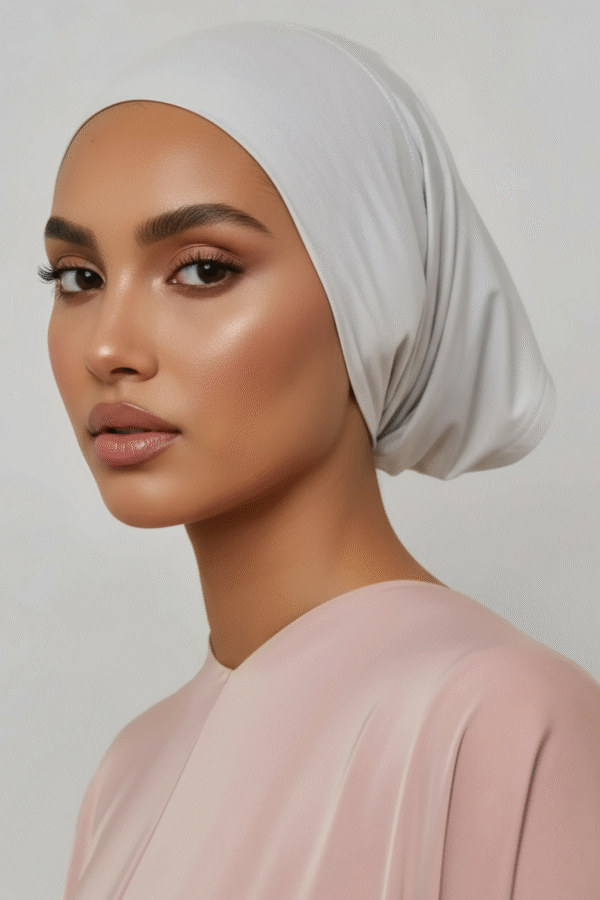
Soft Cotton Hijab Underscarf
£6.24Select options This product has multiple variants. The options may be chosen on the product page -
Bestseller-21 %
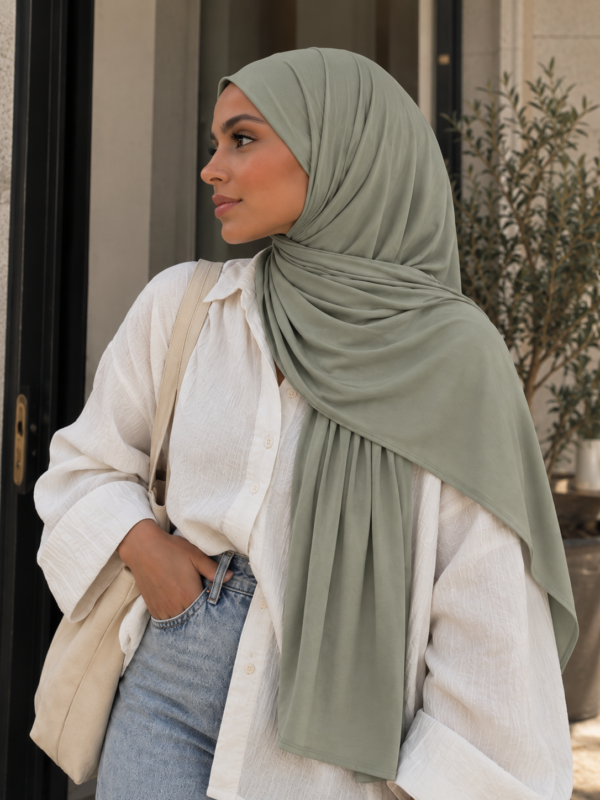
Hijab Premium High-End Bamboo Jersey – Lightweight, Crease-Resistant!
Original price was: £16.32.£12.84Current price is: £12.84.Select options This product has multiple variants. The options may be chosen on the product page -
Sold out
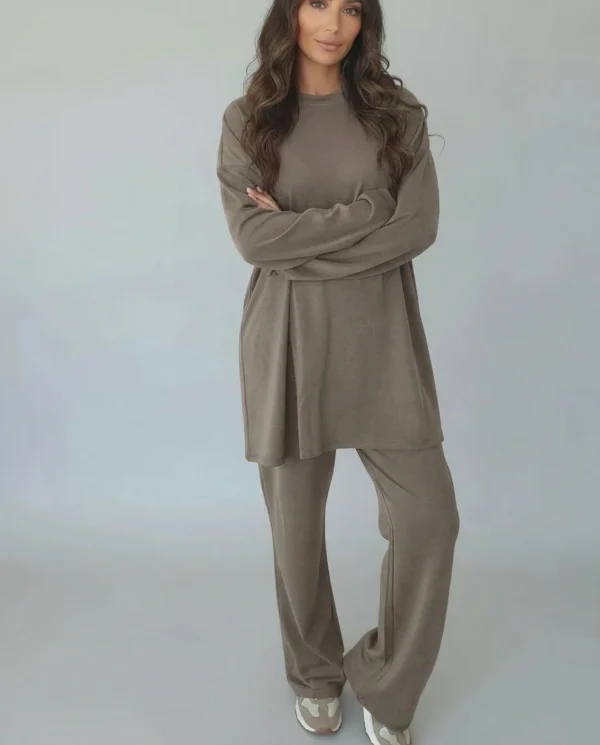
Hijab-Friendly Sportswear - Loose Top and Flowing Trousers - Taupe
Original price was: £27.96.£24.84Current price is: £24.84.Select options This product has multiple variants. The options may be chosen on the product page

What are the differences between abaya, hijab, niqab and others?
The abaya is a covering dress, the hijab is a head veil, while the niqab covers the entire face except the eyes. The burqa, on the other hand, covers the whole body and face, with a mesh screen over the eyes. Each garment has its own level of coverage, depending on cultural or religious contexts.
These distinctions matter for choosing well according to your beliefs or the setting in which you move. The hijab, for example, is often preferred for daily life or work, as it covers the hair while remaining practical. The niqab and the burqa, which cover more, are reserved for certain religious contexts or regions of the world. The abaya, versatile, can be worn alone or with a hijab, and comes in a simple or sophisticated version. These differences help you find the outfit that fits your needs, your culture and your lifestyle.
Comparison table of the main Islamic garments
| Type of garment | Main use | Level of coverage | Suitable occasions |
|---|---|---|---|
| Abaya | Long, loose dress | Body except face/hands/feet | Everyday, prayer, outings |
| Hijab | Head veil | Hair, neck, sometimes shoulders | Everyday, work, prayer |
| Kimono | Long flowing jacket | Varies depending on the cut | Work, outings, occasions |
| Set | Matching top + bottom | Varies, often covering | Everyday, work |
| Long dress | Covering dress | Body except face/hands/feet | Everyday, ceremonies |
| Niqab | Face veil | Face except the eyes | Religious practice |
| Burqa | Full-body veil | Entire body and face | Religious practice |
This table lets you compare each garment at a glance by coverage and occasion. For a ceremony, go for an elegant abaya or a long dress. For work, a set or a structured kimono often makes the difference. More covering garments like the niqab or the burqa are reserved for specific religious practices. This comparison helps you choose the right outfit for every moment of life.
How to Choose Your Islamic Outfit According to Your Style and the Occasion
The choice of an Islamic outfit depends on your style, body shape, the season and the context. There are styles for everyday wear, work or ceremonies, combining comfort and elegance.
Once you have defined your needs, other criteria come into play to refine your choice. The cut of an abaya or a set can flatter the silhouette while respecting modesty. Fabrics matter too: cotton and linen for summer, wool or jersey for winter. Neutral colors are easy to wear, but nothing stops you from daring to try pastels or subtle patterns to personalize your look. Also think about adapting the outfit to the occasion: an embroidered abaya or a chic set for a party, a long cotton dress for an active day. Accessories such as a belt or a contrasting hijab let you vary your styles without multiplying the pieces in your closet. In short, a little thought is all it takes to find the outfit that ticks all the boxes.
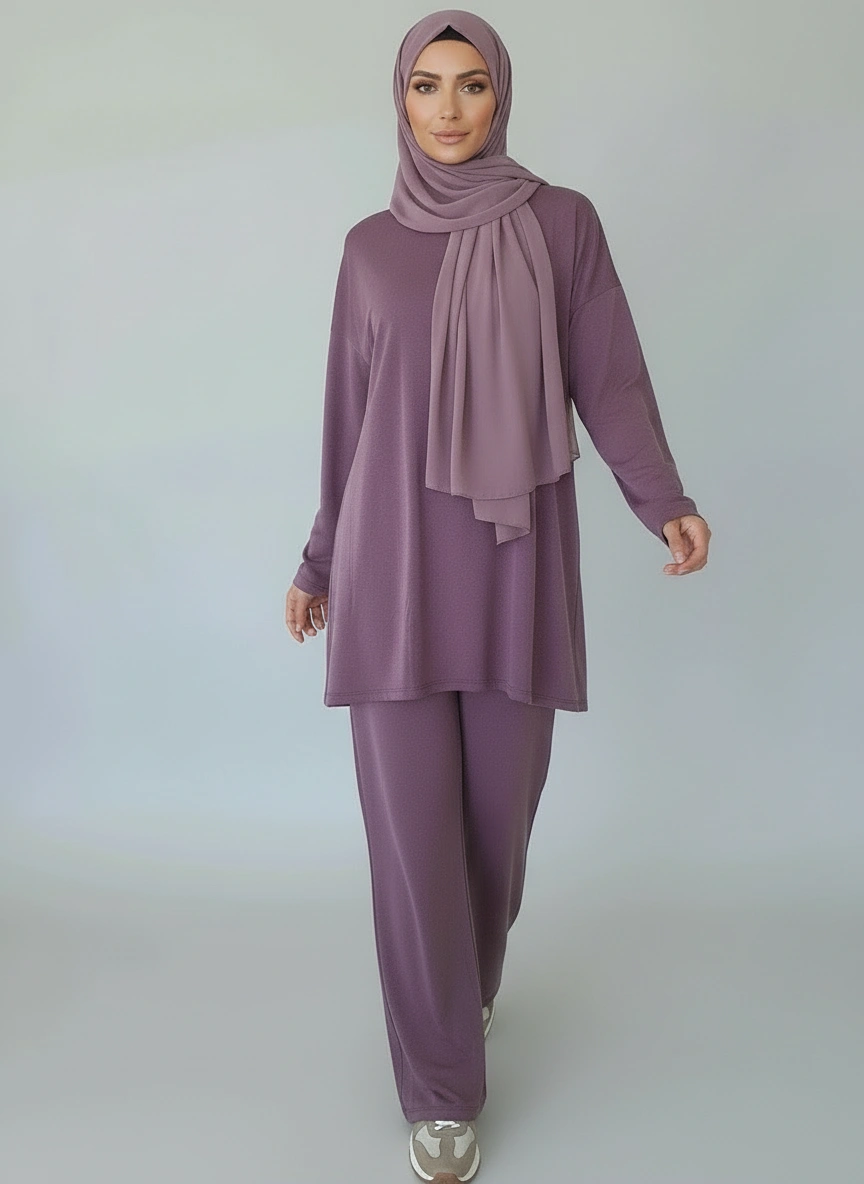
Tips for Choosing According to Body Shape
- A-shaped silhouette (wider hips): Favor abayas or flared dresses to balance the silhouette.
- H-shaped silhouette (straight): Belted sets or structured kimonos create volume and define the waist.
- O-shaped silhouette (curvy): Choose straight cuts, flowing fabrics and solid or understated colors.
- Petite: Prefer fitted tops, long dresses without layering, and monochrome sets to elongate the silhouette.
Adapting your outfit to your body shape is the foundation for feeling good and highlighting your best features. A flared abaya conceals the hips, a structured kimono defines the waist on a straight silhouette, and flowing fabrics avoid the “squashed” effect on curvier silhouettes. For petite sizes, monochrome outfits visually elongate and clean cuts avoid making the silhouette look shorter. Try things out, mix and match, and keep what suits you best: every woman has her own winning formula.
Outfits for Everyday, Work and Special Occasions
- Everyday:
- Tunic + wide-leg trousers set
- Long dress in cotton or jersey
- Flowing kimono over wide-leg jeans
- Work:
- Chic matching set
- Understated abaya with subtle accessories
- Structured kimono over a straight dress
- Special occasions:
- Embroidered or satin abaya
- Long dress with elegant details
- Set in luxurious fabrics with refined accessories
Every moment of the day deserves its own outfit. For everyday wear, go for easy-care fabrics and cuts that let you move freely. At work, favor understated, elegant sets that are easy to accessorize to go from the office to an appointment. For special occasions, dare to try refined details: embroidery, satin fabrics, elegant accessories. And if you’re unsure, know that a well-chosen kimono can upgrade a simple outfit in no time.
Fabrics, Colors and Accessories to Favor
- Fabrics: Cotton, linen, jersey for comfort; crepe, satin or chiffon for occasions.
- Colors: Neutral tones (black, beige, gray), soft pastels or deep colors depending on the season.
- Accessories: Matching hijab, thin belt, discreet brooches, understated bag, flat shoes or low heels.
The choice of fabrics influences both comfort and style. Natural fabrics like cotton and linen are perfect for staying cool. For a chicer look, satin and chiffon make all the difference. Neutral colors go anywhere, but pastels or deep shades add character. As for accessories, a well-chosen hijab or a thin belt can transform a basic outfit. Brooches add a subtle touch, and a structured bag completes the look without going overboard. The secret is finding the balance between comfort, style and respect for dress codes.
Modern Islamic Outfit Inspiration for Women and Trends
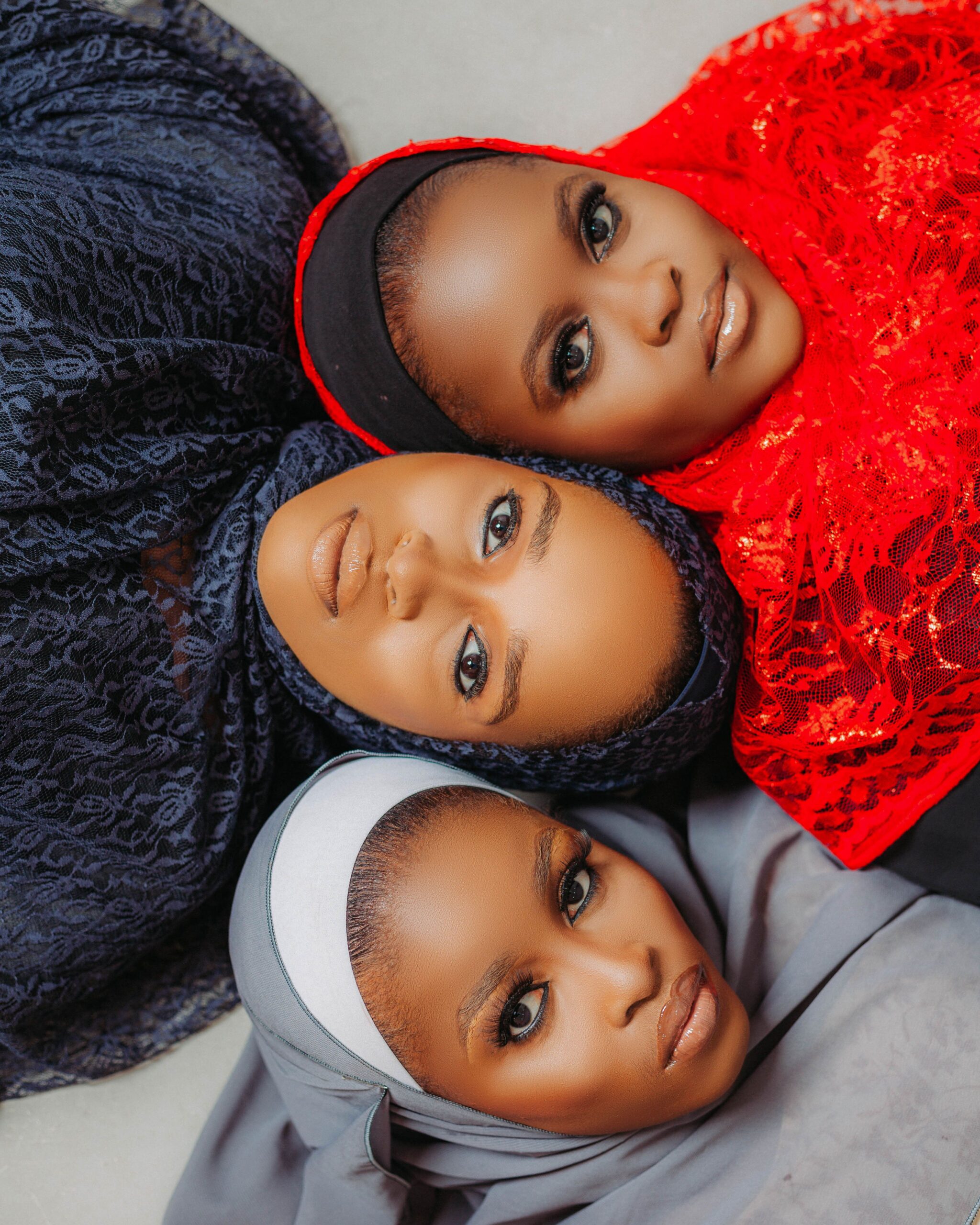
The trends of the moment are a mix of flowing cuts, understated or pastel colors, and elegant layering. Matching sets, long dresses and reimagined kimonos are the favorites of women who want style without sacrificing comfort.
Islamic fashion is evolving fast, driven by designers and influencers who reinvent the classics. Abayas play on subtle details: buttons, embroidery, textures. Sets focus on volumes and layering, for looks that are both practical and sophisticated. Kimonos show up everywhere: open over a solid dress or belted to structure the silhouette. Pastel colors and natural tones dominate, but graphic or floral prints are also making their entrance for those who love originality. A chiffon hijab, a minimalist bag, and you’re all set. To stay up to date, draw inspiration from social media or the look galleries of specialized stores. Yes, even modest fashion has its little “wow” effect.
Examples of Modern Looks
- Flowing beige abaya with a pastel chiffon hijab
- Wide-leg trousers + long tunic set, belted at the waist
- Printed kimono over a solid dress, matching hijab
- Long black dress, contrasting hijab and structured bag
- Pleated skirt + loose top set, white sneakers for an urban look
These examples show that you can mix comfort and style effortlessly. A flowing abaya and a pastel hijab create a soft, elegant look, perfect for going out or attending a meeting. Belted sets highlight the waist while staying super comfortable, ideal for work or a night out. The printed kimono adds a fun touch to a plain dress, and a classic black dress can become ultra-modern with a colorful hijab and a structured bag. Finally, for an urban style, the pleated skirt, the loose top and the white sneakers always make an impression. Pick and choose according to your tastes!
Where to find reliable and current inspiration
- Pinterest: Idea boards, everyday looks, inspiration from designers
- Specialty shops: Look galleries on Neyssa Shop, Anaaz Store, Modest Fashion
- Social media: Instagram, TikTok, accounts of Muslim fashion creators, hashtags #modestfashion, #hijabstyle
To stay up to date on trends, these platforms are essential. Pinterest is full of inspiration boards for saving your favorite looks. Specialty shops often offer galleries of styled looks, which helps you picture yourself wearing them. On Instagram and TikTok, influencers share tips, hijab tutorials and shopping picks. Dedicated hashtags make searching easier. By combining these sources, you build a modern wardrobe that is varied and always on trend.
Where to buy Islamic outfits for women online?
Many specialty sites offer Islamic outfits for women, with a modern, affordable and varied selection. It is best to favor established shops for quality and service.
Today, buying Islamic outfits online has become simple and convenient. Specialty shops often refresh their collections to stay on trend while respecting modesty. Before ordering, remember to read the customer reviews to check reliability and quality. Take the time to look at the detailed descriptions and the photos from every angle, to avoid unpleasant surprises. Also compare the return and exchange policies, so you can shop with peace of mind. A responsive customer service is a real plus, especially if you are hesitating between two sizes or styles. In short, a few checks are enough to enjoy the online offering stress-free.
Selection of reliable sites
- Neyssa Shop
- Anaaz Store
- Modanisa
- Modest Fashion
- Inayah
These sites are known for their reliability and the quality of their collections. They offer a wide choice of clothing for all styles and body types. The look galleries, size guides and style tips make choosing easier. Some even offer filters by occasion, material or color. Don’t hesitate to visit several shops to compare and find THE outfit that suits you.
Criteria for choosing the right shopping site
- Site reputation: Customer reviews, social media presence, years in business
- Product quality: Detailed descriptions, realistic photos, fabric composition
- Variety of styles: Wide choice of styles, sizes, colors
- Customer service: Easy to contact, clear return/exchange policy
- Payment security: Secure site, varied payment methods
These criteria help you avoid unpleasant surprises. A well-rated site that is active on social media is reassuring. The descriptions and photos help you get a precise idea. The more choice there is, the more likely you are to find what you love. An available customer service and easy returns are essential. Finally, payment security protects your data. With these points in mind, you can shop online with peace of mind.
Conclusion
The Islamic outfit for women now offers a real choice of styles, cuts and fabrics to combine modesty, modernity and comfort. Whether you are looking for an elegant abaya, a practical set or a trendy kimono, there are solutions for every taste and occasion. Taking into account your body type, the occasion and the quality of the fabrics is the key to a respectful and stylish wardrobe. Specialty shops and social media are valuable allies for finding inspiration and shopping with confidence.
FAQ
For prayer, a woman should wear loose clothing that covers the whole body except for the face and hands. The abaya or a long set with a hijab are perfect for this.
Choose clothing that does not outline the figure and is not see-through. Lightweight but opaque fabrics are ideal, especially when it is hot. A well-fitted hijab completes the outfit. Some women prefer a special abaya for prayer, easy to slip on and comfortable. What matters most is respecting modesty while staying comfortable enough to focus on prayer.
The burqa covers the entire body and face with a mesh screen over the eyes, while the niqab leaves the eyes visible but hides the rest of the face and body.
The difference between the two is often a source of confusion. The niqab consists of a veil that covers everything except the eyes, worn with an abaya or a long dress. The burqa, on the other hand, is a single garment that covers everything, with a fabric grille over the eyes so the wearer can see without being seen. Both outfits are tied to specific religious or cultural contexts and are not required everywhere. The choice depends on traditions, beliefs and way of life.
The prescribed hijab must be loose-fitting, opaque, non-clinging and cover the whole body except the face and the hands. It must not draw attention or resemble men’s clothing.
These criteria ensure that the outfit remains in line with the principles of modesty in Islam. A loose fit avoids outlining the silhouette, and opacity prevents see-through effects. It is also advised to avoid overly bright colors or flashy ornaments so as not to attract too much attention. Fabrics and cuts must ensure comfort and compliance with the rules. Finally, it is better to choose clothing that differs from men’s clothing, in order to preserve feminine distinctiveness.
The abaya is a traditional garment worn to observe modesty according to Islamic principles, but its use varies depending on cultures and contexts.
In some countries, it is seen as a religious garment, while elsewhere it is above all a tradition or a cultural habit. It meets modesty requirements while allowing great freedom of movement. Depending on the region, its style changes: understated or highly elaborate. Wearing an abaya is not an obligation everywhere, but it is a popular choice for its practicality and versatility.
You can find modern Islamic outfits on specialized websites, in well-known online shops or on inspiration platforms like Pinterest.
Social media is also a real goldmine of ideas for following trends and spotting new arrivals. Specialized shops often offer a wide choice, from the classic to the most contemporary. Be sure to read customer reviews and compare styles across several sites to find modern, comfortable outfits that suit your tastes.
Leave a Reply