


For Umrah, what you wear depends on gender: men wear the ihram (two unstitched white sheets), while women choose loose, modest, covering clothing, with no requirement for a specific color or cut. Here, comfort, modesty and suitability for the heat are the keys to experiencing this moment with complete peace of mind. Let’s go over how to prepare well and choose your Umrah outfit.
In brief:
- Men must wear the ihram garment (two unstitched white sheets).
- Women opt for loose, covering and modest clothing, with a hijab.
- Choose lightweight and breathable fabrics to cope with the heat.
- Pack a simple, practical suitcase that respects religious rules.
What are the rules for women’s Umrah attire?
For Umrah, there is no specific outfit required for women, but modesty is essential. It is recommended to wear loose, opaque clothing that covers the whole body, with a hijab. Choose understated colors and lightweight fabrics to stay comfortable throughout your stay.
Beyond this basis, it’s important to understand the expectations regarding discretion: clothing must cover the entire body except the face and hands. Avoid sheer or overly tight fabrics, even when it’s hot. Loud colors or flashy patterns are not forbidden, but it’s better to opt for discretion to respect the atmosphere of the place. As for the hijab, it simply needs to cover the hair and neck, with no particular style required.
The choice of fabric is crucial: prefer breathable materials to handle the heat, especially during long walks or waits. Also think of clothing that is easy to wash and dry, as you will likely need to care for it on site. In short, the ideal outfit is modest, comfortable and easy to live in, with no constraint on color or cut, but always in the spirit of the pilgrimage.
Permitted and recommended clothing
- Loose abaya or long covering dress
- Long tunics with wide-leg trousers
- Non-fitted and non-sheer clothing
- Hijab covering the hair and neck
- No gloves or niqab (the face and hands remain uncovered)
The idea is to be modest while still being able to walk, pray and endure the heat comfortably.
To move easily, choose clothing that doesn’t restrict you: abayas and long tunics are perfect, as are wide-leg trousers under a tunic, especially for travel or waiting in lines. The hijab should stay in place well, especially in crowds. Finally, keep in mind that simplicity is the best option: avoid flashy accessories that could attract attention.
Fabrics, colors and thermal comfort
- Opt for cotton, linen or breathable technical fabrics.
- Avoid synthetic materials that trap heat.
- Understated colors (white, beige, gray, black, navy blue) are recommended. White is not required.
- Choose clothing that is easy to wash and dry.
A lightweight, breathable fabric limits perspiration and makes waiting and traveling much more pleasant.
Also think about care: quick-drying clothes are handy if you have to hand wash them. Light colors reflect sunlight and help you cope better with the heat, but the essential thing remains discretion. If you’re worried about stains, mid-tone colors like gray or navy blue are good options. Finally, layering several thin layers can help regulate temperature while remaining modest.
Accessories to pack (hijab, shoes, etc.)
- Several lightweight hijabs, easy to adjust
- Comfortable, breathable underwear
- Thin socks (for the mosque)
- Flat, closed shoes or comfortable sandals (avoid heels)
- Lightweight bag or pouch for documents and small items
- Sunglasses, hat or cap for outdoors (outside the rites)
Accessories play a real role in comfort. Pack several hijabs so you can change easily, especially if it is very hot. Cotton underwear helps prevent irritation. Thin socks are very useful in the mosque, where the floor can be cool. For shoes, choose styles that are easy to take off, since you will often need to remove them. A lightweight bag lets you keep your essentials within reach. Finally, for outdoor trips, remember to protect your eyes and head from the sun (outside of the rites).
Women’s Umrah packing checklist
- Abayas or long dresses (2 to 3)
- Long tunics and wide-leg trousers
- Hijabs (3 to 5, lightweight and easy to wash)
- Cotton underwear
- Thin socks
- Comfortable shoes (sandals + closed shoes)
- Travel bag/pouch
- Toiletry bag (travel size)
- Sunglasses, hat/cap
- Foldable Prayer Mat
- Hijab pins, clips, hair ties
Packing your suitcase in advance is the guarantee of a stress-free trip. Always bring one or two spare outfits. Accessories like hijab pins and hair ties are often essential for adjusting your outfit. A foldable prayer mat is very useful, even outside of mosques. And a compact toiletry bag saves time and space.
-
Bestseller
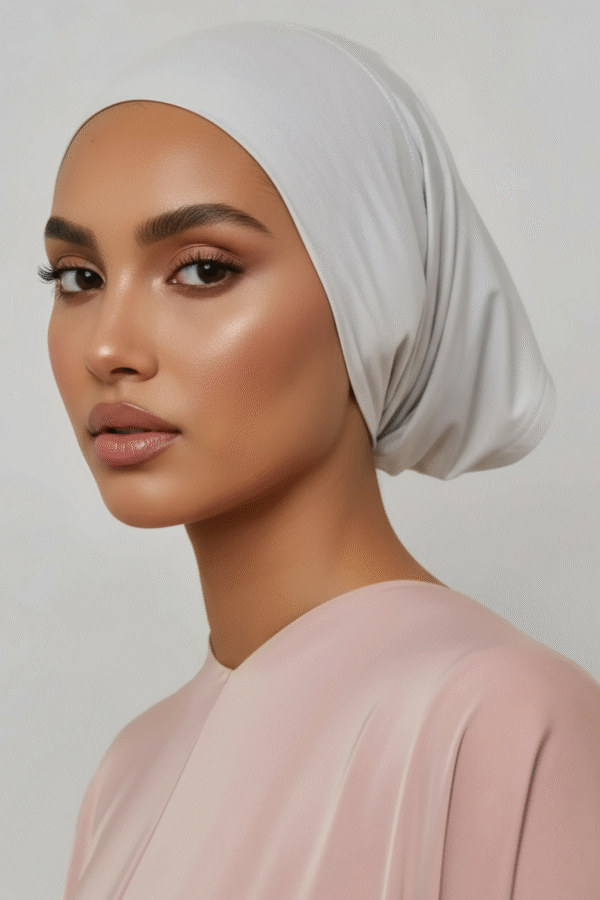
Soft Cotton Hijab Underscarf
£6.24Select options This product has multiple variants. The options may be chosen on the product page -
Bestseller-21 %
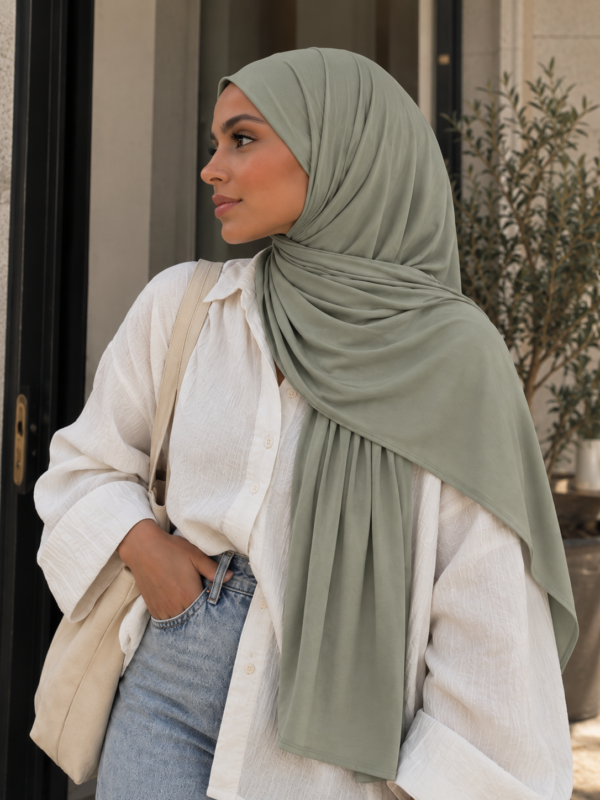
Hijab Premium High-End Bamboo Jersey – Lightweight, Crease-Resistant!
Original price was: £16.32.£12.84Current price is: £12.84.Select options This product has multiple variants. The options may be chosen on the product page -
Sold out
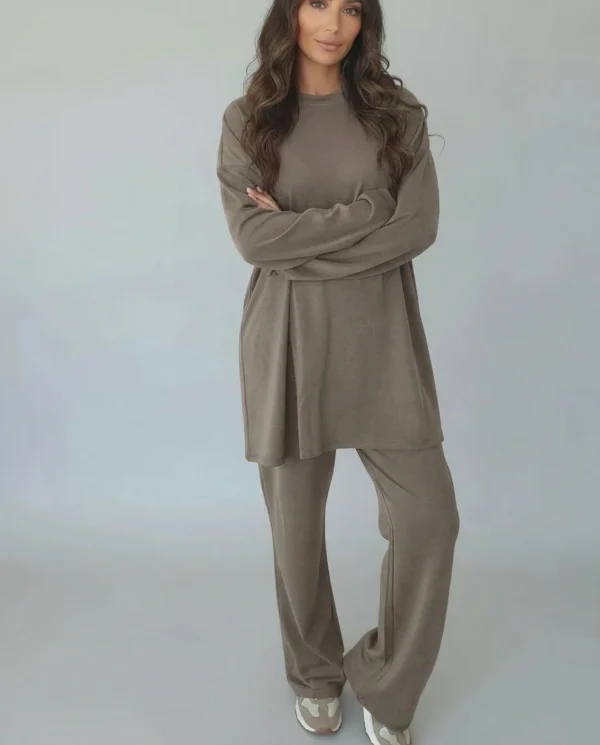
Hijab-Friendly Sportswear - Loose Top and Flowing Trousers - Taupe
Original price was: £27.96.£24.84Current price is: £24.84.Select options This product has multiple variants. The options may be chosen on the product page

What is the ihram attire for men performing Umrah?
For Umrah, the ihram attire for men consists of two white unstitched sheets: the rida (for the upper body) and the izar (for the lower body). No stitched garments or underwear are permitted during the rites. A cotton fabric is recommended to better withstand the heat.
The ihram symbolizes humility and equality among all. Wearing these two white, seamless sheets is a reminder that everyone stands before God without distinction. Before entering the state of ihram, it is recommended to wash and wear clean clothes. Throughout the rites, neither sewn garments nor underwear are permitted, which may come as a surprise at first.
The choice of fabric matters: a thick but breathable cotton limits irritation caused by heat and friction. It is wise to plan for several ihram sets so you can change if needed. Sandals must leave the ankle and the top of the foot uncovered, according to the rules. No head covering is allowed during the state of ihram, even if the sun is beating down. Outside of the rites, you can of course protect your head.
Components of the ihram outfit
- Rida: white sheet for the upper body (shoulders and chest)
- Izar: white sheet for the lower body (waist to ankles)
- Sandals or open shoes leaving the ankle and the top of the foot uncovered
No head covering is allowed during the state of ihram. Simplicity and cleanliness are the key words.
This outfit aims to ensure uniformity and simplicity among all pilgrims. The sheets must be well fitted so they don’t fall off, especially in a crowd. There are special belts to hold the izar in place, which is very practical. The sandals must be easy to take off, as you will often remove them to enter sacred spaces. Also remember to keep your outfit clean, as hygiene is part of the recommendations.
Practical tips for comfort and heat
- Opt for a thick but breathable cotton ihram to limit irritation.
- Bring a special ihram belt to hold the lower sheet in place.
- Pack several ihram sets so you can change if needed.
- Drink water often and protect yourself from the sun outside the rites (hats are allowed when not in the state of ihram).
Comfort during Umrah depends a lot on the choice of materials and on preparation. A quality ihram limits friction and absorbs sweat better. The special belt makes walking much more pleasant. Bringing several ihram sets lets you stay clean, even in intense heat. Outside of the rites, don’t hesitate to wear a hat or cap to avoid sunburn. And drink regularly so you don’t get dehydrated – the heat never takes a break!
What to wear outside of the rites?
Outside of the state of ihram, men can wear regular clothing suited to the climate:
- Long tunics (qamis), lightweight trousers
- Cotton T-shirts
- Comfortable shoes
- Breathable underwear
Always go for modest, loose-fitting clothing that is suited to the heat.
After the rites, choose practical clothing for getting around and resting. Long tunics or qamis are perfect for respecting local traditions. Lightweight trousers and cotton T-shirts are ideal for coping with the heat and staying comfortable. As for shoes, choose styles suited to walking, as the distances can be considerable. Finally, pack enough underwear to stay dry and avoid irritation.
Men’s Umrah suitcase checklist
- 2 to 3 ihram sets (rida + izar)
- Special ihram belt
- Open sandals that comply with the rules
- Long tunics or qamis for everyday wear
- T-shirts and lightweight trousers
- Cotton underwear
- Hat or cap (outside the rites)
- Toiletry bag (travel size)
- Foldable Prayer Mat
- Bag/pouch for documents and personal belongings
Packing your suitcase carefully means avoiding forgotten items. Plan for several ihram sets so you can change if needed. The special belt is a real plus for comfort. Everyday clothing should be lightweight and easy to care for. A foldable prayer mat, a compact toiletry bag and a bag for documents make your stay easier.

Practical tips for choosing your Umrah outfit
To choose the right outfit for Umrah, go for lightweight, loose-fitting, breathable clothing. Prepare a checklist so you don’t forget anything, and adapt your belongings to the heat and the crowds. Practical accessories and light luggage make all the difference.
Beyond the religious rules, think about the reality of the trip: heat, crowds, frequent movement… Choose quick-drying clothing that doesn’t wrinkle. Prepare a detailed list so you don’t forget anything. Accessories such as document pouches, foldable prayer mat or special belts are real allies for a stress-free stay.
Traveling light makes getting around easier, especially if you change hotels or visit different holy sites. Organize your suitcase with storage bags to separate clean from dirty items. Also keep a small first-aid kit and hygiene items within reach.
Outfit mistakes to avoid
- Wearing clothing that is too tight or see-through (especially for women)
- Forgetting simplicity and modesty (avoid flashy patterns)
- Choosing synthetic materials that hold in heat
- Neglecting shoe comfort (there is a lot of walking)
- Forgetting essential accessories (hijab pins, ihram belt, etc.)
A forgotten item or an outfit mistake can quickly interfere with performing the rites or make the day uncomfortable, especially when it is a long one.
To avoid unpleasant surprises, try on your outfits before departure and walk around a bit in them to check the comfort. Shoes should already be broken in to avoid blisters. Accessories such as hijab pins or the ihram belt are often forgotten, so make a short list. Also avoid fabrics that hold in heat or that chafe: once there, every detail counts.
Differences between Umrah and Hajj regarding clothing
- For men, the ihram attire is the same for Umrah and Hajj.
- For women, the modesty rules remain the same for both pilgrimages.
- Only the intention of the pilgrimage changes, not the attire itself.
When it comes to clothing, there is no major difference: only the length of the stay or the logistics may vary.
The real difference between Umrah and Hajj is the duration and the intensity of the rites, not the attire. This simplifies planning your clothing, especially if you have already completed one of the two pilgrimages. For Hajj, simply plan for more changes of clothes and accessories to last several days. In all cases, simplicity and modesty remain the keys.
Tips for traveling light and practical
- Choose multifunctional clothing that is easy to wash.
- Limit the number of outfits, but pack enough to change in case of intense heat.
- Use storage bags to organize your suitcase.
- Prepare a compact toiletry bag and the essential accessories (prayer mat, pouch for documents).
- Remember the universal adapter to charge your devices.
Traveling light means getting around easily, limiting fatigue and focusing on what matters most.
To save space, roll your clothes instead of folding them. Vacuum storage bags are also very handy. A well-organized toiletry bag lets you find everything quickly. Don’t forget the adapter for your electronic devices, as outlets can differ from country to country. With a little organization, you can enjoy the trip without being overloaded.
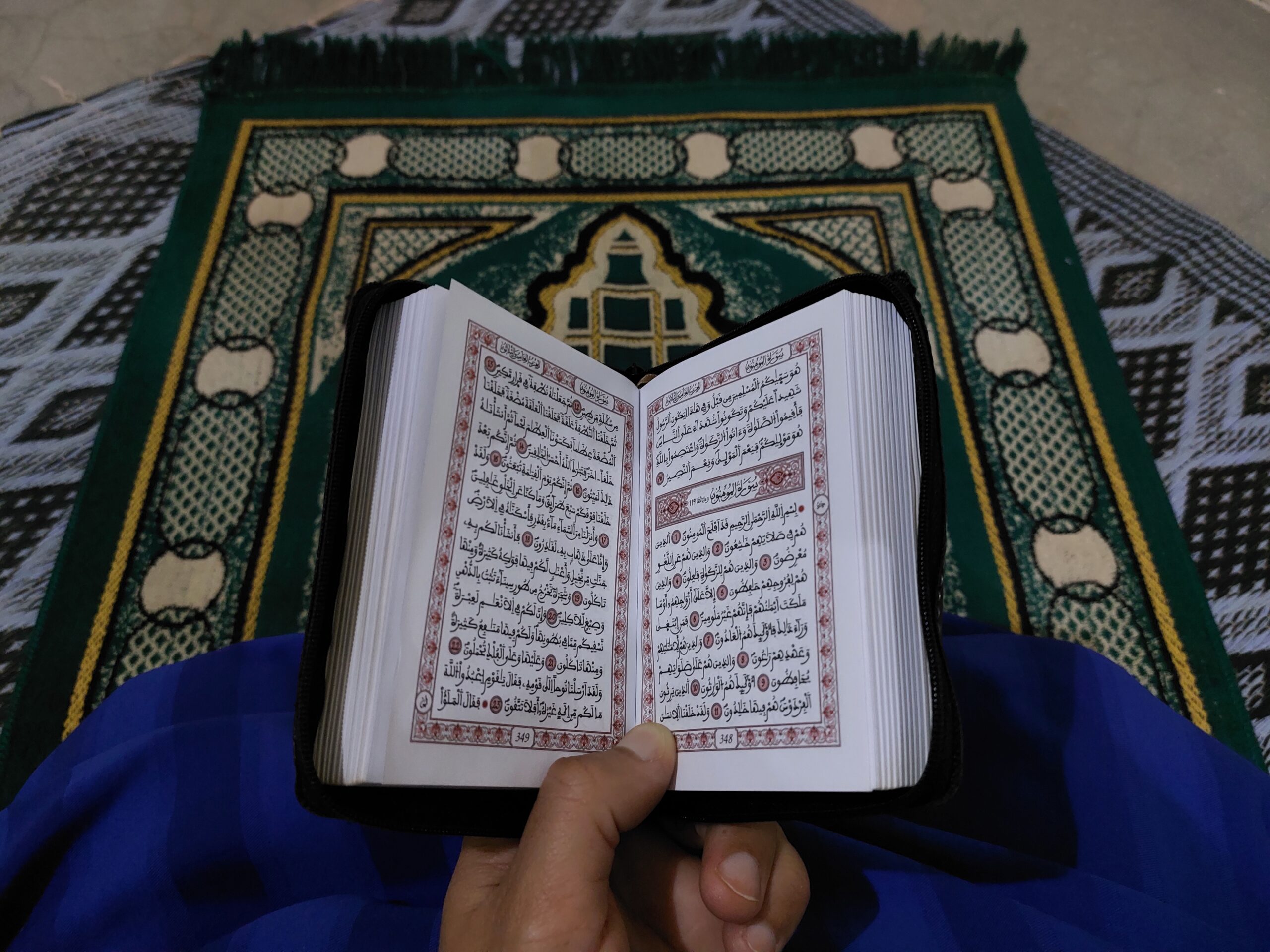
Conclusion
Choosing the right outfit for Umrah means respecting the religious rules while ensuring your comfort. Men and women should opt for loose, simple clothing that is suited to the heat. A well-packed suitcase and a few practical accessories make the stay easier and allow you to experience Umrah with peace of mind, without stress or forgotten items.
FAQ
Women can wear clothing in subdued colors for Umrah, with white being appreciated but not mandatory. What matters most is that the outfit remains modest and discreet.
For men, footwear must leave the ankle and the top of the foot uncovered during ihram. Women can wear closed shoes, but it is best to prioritize comfort and practicality.
The ihram attire for men is the same for Umrah and Hajj. For women, the rules of modesty remain the same; only the intention of the pilgrimage changes.
No, white is recommended for men (ihram), but women may choose other subdued and discreet colors, as long as the outfit remains modest.
Leave a Reply