


Umrah is the minor pilgrimage to Mecca that Muslims can perform whenever they wish, without waiting for a specific time of year. Unlike Hajj, Umrah is not obligatory, but it remains a powerful spiritual act and an accessible one. This guide explains in simple terms what Umrah involves, its steps, how it differs from Hajj, and answers all the common questions.
In brief
- Umrah is an optional Muslim pilgrimage to Mecca, which can be performed all year round.
- It differs from Hajj in its duration, its non-obligatory nature, and its shorter rites.
- The main steps include the ihram, the circumambulation of the Kaaba, the walk between Safa and Marwa, and the cutting of the hair.
- Any healthy Muslim with the means can perform Umrah.
Definition of Umrah in Islam
Umrah is a Muslim pilgrimage to Mecca, which can be performed at any time of year, and includes specific rites such as the circumambulation of the Kaaba and the walk between Safa and Marwa.
Umrah is often called the “minor pilgrimage” in Islam. It is not a religious duty like Hajj, but it is a highly valued spiritual act. Umrah consists of traveling to Mecca, following specific rites, and experiencing a moment of intense faith. It can be done alone or in a group, at any time, which makes it much more accessible than Hajj.
Umrah is an opportunity to refocus, to step back, and to purify yourself. No heavy logistics are needed: the journey remains simple and open to everyone. The rites carry strong symbolism: circling the Kaaba and walking between Safa and Marwa recall stories of perseverance and unity. Umrah is often experienced in a group, strengthening bonds and creating a true moment of sharing. It is also a real break from daily life, a pause to reconnect with your faith.
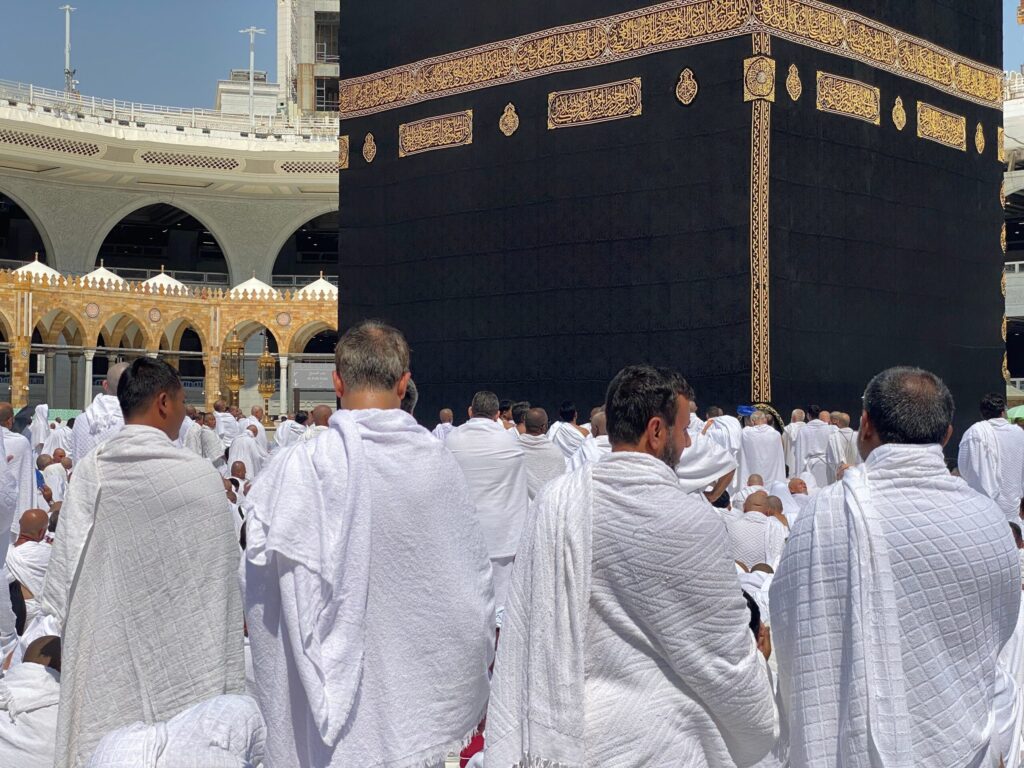
Origin and meaning of the word Umrah
The word “Umrah” comes from the Arabic “عمرة”, which means “visit“. In a religious context, it refers to a sacred visit to the Mosque in Mecca, with defined rites. Umrah is mentioned in the Quran and the Prophetic tradition, and it symbolizes the renewal of faith and spiritual purification.
This idea of a “visit” is no coincidence: it is a voluntary undertaking, going to a holy place with the intention of drawing closer to God. Performing Umrah also means walking in the footsteps of the Prophet Muhammad and the first believers. The sacred texts emphasize the spiritual significance of this visit, seen as a fresh start. Umrah shows that faith is nourished as much by concrete actions as by deep intentions.
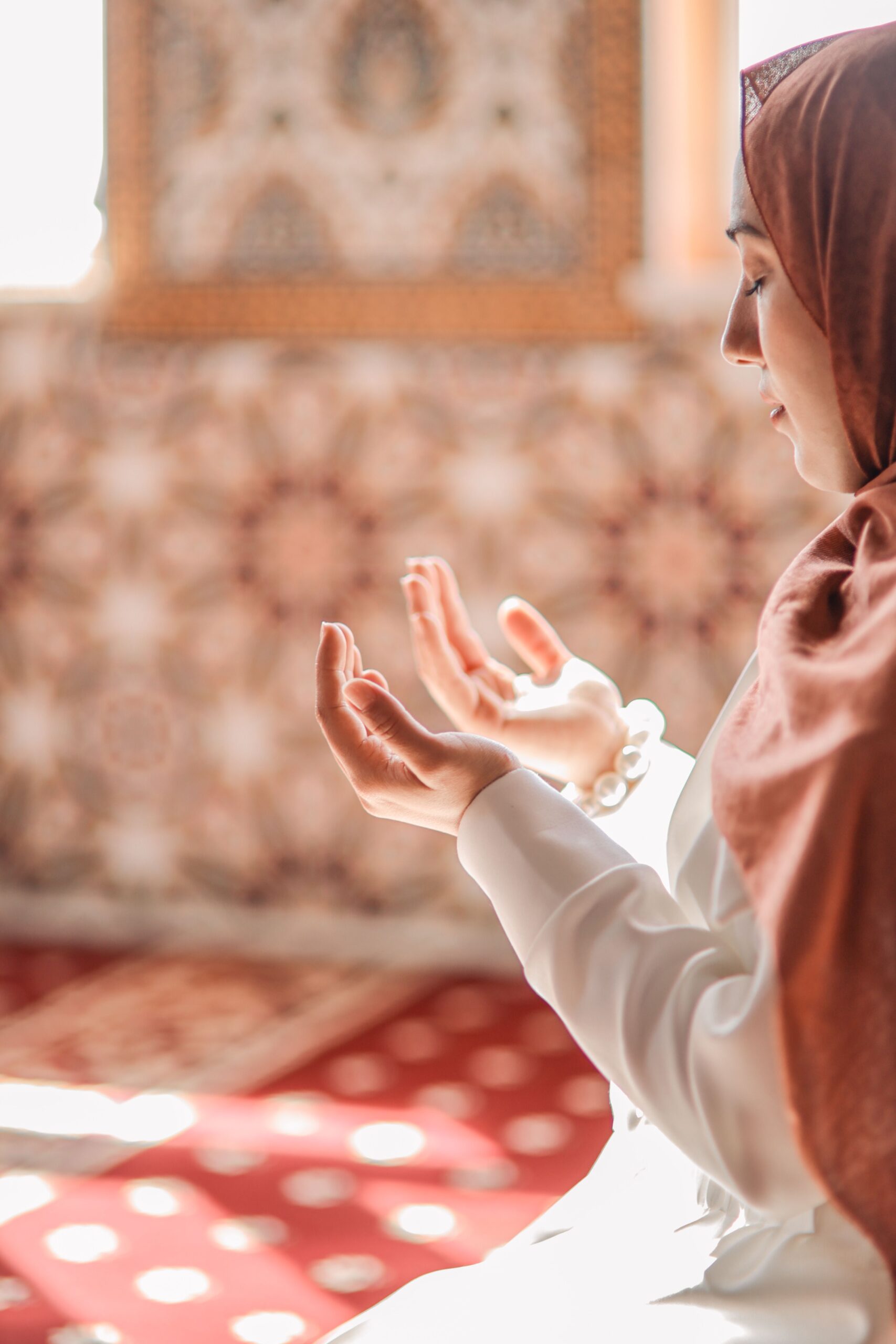
Why perform Umrah?
Umrah allows you to draw closer to God, to wipe away certain sins, and to have a powerful spiritual experience. Even though it is not obligatory, it is highly recommended in the Islamic tradition. Many Muslims choose to perform it to strengthen their faith, seek forgiveness, or mark an important moment in their lives.
Beyond the religious side, Umrah is often experienced as a moment of personal renewal. It is sometimes a fresh start, or a way of giving thanks after a hardship. The benefits are many:
- Strengthening of faith: Being in a sacred place and repeating age-old gestures helps you reflect and gain perspective.
- Wiping away of certain sins: A sincere Umrah brings, according to tradition, God’s forgiveness for past wrongdoings.
- Community bond: Sharing this moment with others creates real memories and a sense of belonging.
- Inner peace: Cutting off from daily life and focusing on spirituality often brings great serenity.
In short, Umrah invites reflection, gratitude, and purification for all those who wish to move forward on their spiritual path.
Difference between Umrah and Hajj
Umrah and Hajj are both pilgrimages to Mecca, but Hajj is obligatory and limited to a specific period, while Umrah is optional and can be performed all year round.
Although Umrah and Hajj take place in the same location and share certain rites, they are very different in substance. Hajj is one of the five pillars of Islam: every Muslim must perform it at least once if able, and it only takes place on specific dates. Umrah, on the other hand, is more flexible: not obligatory, shorter, and possible all year round.
These differences are more than a matter of calendar: they also reflect two levels of commitment. Hajj requires real preparation, both physical and financial, and gathers millions of people at the same time. Umrah, being quieter, takes place in a calmer atmosphere and offers a first experience of pilgrimage. For many, Umrah is a way to discover Mecca before embarking on Hajj.
What are the obligations for each rite?
- Hajj: Obligatory for every adult Muslim of sound mind who has the physical and financial means, and takes place at a fixed time (the month of Dhul-Hijja).
- Umrah: Optional, with no obligation to perform it once in a lifetime, can be done all year round, with simpler rites and a shorter duration.
In short: Hajj is a major undertaking, with registration, a precise calendar, and huge crowds. Umrah is more flexible: you can organize it according to your wishes and availability. The rules of Hajj are stricter, but the spiritual reward is also immense.
When can Umrah and Hajj be performed? (comparison table)
| Criterion | Umrah | Hajj |
|---|---|---|
| Nature | Optional | Obligatory (if able) |
| Period | All year round | Month of Dhul-Hijja only |
| Duration | A few hours to 1 day | Several days |
| Rites | Fewer, simplified | More numerous, longer |
| Access requirements | Less strict | More regulated |
This table makes it clear: Umrah is the simple and flexible version of the pilgrimage. If you’re looking for a spiritual experience in Mecca without the logistics of Hajj, Umrah is ideal. It’s also perfect for discovering the holy sites in a calmer atmosphere. To sum up: perfect for getting started without getting lost in the crowd!
-
Sold out

Men's Ihram 2-Piece Set – Microfibre 700g
£16.44Read more -
Sold out

Men's 2-Piece Ihram – Premium Comfort for Umrah and Hajj
Price range: £16.44 through £22.56Select options This product has multiple variants. The options may be chosen on the product page -
Sold out
Men's 2-Piece Ihram – Polyester Jacquard 1000g
£22.56Read more

The Steps of Umrah
Umrah is carried out in several steps: entering the state of ihram, circumambulation around the Kaaba, walking between Safa and Marwa, and then cutting the hair to complete the rite.
Each step of Umrah follows a precise order, with real symbolic meaning. The rites are accessible to most Muslims, regardless of age or experience.
Every moment of Umrah is designed to foster focus and humility. The ihram, for example, erases social differences: everyone wears simple garments. The tawaf around the Kaaba represents unity. The sa’i, between Safa and Marwa, recalls Hajar’s perseverance. Finally, the cutting of the hair marks purification and the end of the rite. Even though the whole process is quick, every gesture counts and invites reflection.
Preparation and Intentions (Ihram)
Before entering Mecca, the pilgrim must enter the state of ihram. This means wearing a specific garment (two white pieces for men, simple clothing for women) and stating the intention to perform Umrah. The ihram marks the beginning of the pilgrimage and imposes certain rules of conduct (no arguing, hunting, perfume, etc.).
But the ihram is not just an outfit: it is also a mental preparation. You purify yourself, pray, and set a clear intention. The rules of ihram are there to create an atmosphere of peace, toward yourself and others. No negative actions, priority given to kindness and focusing on what matters most. Ihram is a true refocusing, not just a costume.
The Main Rites of Umrah
- Entering the state of ihram: Purify yourself, wear the specific clothing, and make the intention.
- Tawaf: Make seven circuits around the Kaaba, counterclockwise.
- Sa’i: Walk seven times between the hills of Safa and Marwa, inside the mosque.
- Taqsir or Halq: Cut a lock of hair (for women) or shave the head (for men), a sign of purification and the end of the rite.
Each of these rites has a deep meaning. The tawaf means placing God at the center of your life. The sa’i recalls the faith and perseverance of Hajar. The cutting of the hair marks the exit from ihram and purification. For first-timers, following these steps one by one is the guarantee of experiencing Umrah with complete peace of mind, without getting lost in the crowd.
What to do after Umrah?
Once Umrah is completed, the pilgrim can leave the state of ihram and resume normal activities. Many choose to pray, meditate or visit other holy sites in Mecca or Medina. Umrah can be performed several times in a lifetime, according to each person’s wishes and means.
After Umrah, many take advantage of the renewed serenity to deepen their spirituality: prayers at the Sacred Mosque, visits to historical sites, sharing the experience with loved ones, or acts of charity. There are no strict rules for what comes next, but it is advisable to keep the spirit of the pilgrimage alive in daily life. And good news: you can perform Umrah as many times as you wish!

Who can perform Umrah and when?
Any Muslim in good health and with the necessary means can perform Umrah at any time of the year.
Umrah is open to all Muslims, regardless of age or gender, provided that certain criteria are met. It can be done alone, with family or in a group, and there is no set period, except during the days of Hajj when Umrah is suspended.
This openness makes Umrah very inclusive. Families can go together, regardless of age, as long as everyone can handle the trip. Agencies often offer tailored packages, including for people with reduced mobility. The absence of date restrictions allows you to choose the time that suits you best. It is still recommended to prepare for the trip well, both physically and logistically, to fully enjoy it.
Eligibility requirements (age, gender, health)
- Age: There is no minimum or maximum age, but children must be accompanied.
- Gender: Men and women can perform Umrah, with a few specific rules for women (accompaniment, menstrual period).
- Health: You must be in good physical and mental health, and have the financial means to travel and support yourself while there.
These criteria are there to protect every pilgrim. Children can experience Umrah with their parents, making it a family experience. Women, depending on local rules, may need a companion, and menstrual periods should be taken into account when planning. Finally, health is essential: even a short pilgrimage requires energy. Medical advice is recommended, especially in the case of chronic illness or reduced mobility.
Recommended periods for Umrah
Umrah can be performed all year round, except during the days of Hajj when it is suspended. Many pilgrims choose less crowded periods for more tranquility, such as outside of Ramadan or school vacations. Cooler seasons are also appreciated for the comfort of the trip.
A few tips for choosing the right time:
- Avoid peak crowds: School vacations and Ramadan are very busy. Choosing quieter months allows you to have a more peaceful Umrah.
- Consider the weather: Mecca can be very hot in summer. Fall or spring offer a milder climate.
- Adapt to your situation: Families or older people may prefer off-peak periods for more comfort.
In short, Umrah suits all profiles and all wishes. Just choose the time that suits you to have a peaceful experience. And besides, the Kaaba isn’t going anywhere: no need to panic if you prefer to go when it’s quieter!
Conclusion
Umrah in Islam is an accessible pilgrimage that can be performed year-round, offering every Muslim a unique experience in Mecca. Simpler and shorter than Hajj, it remains a moment of reflection, purification and renewal, open to all who are able to undertake it. A precious opportunity to reconnect with what matters most.
FAQ
Umrah is a minor pilgrimage to Mecca, distinct from Hajj, that can be performed at any time of the year and includes specific rites.
Umrah is optional and shorter, whereas Hajj is mandatory for every Muslim who has the means and takes place only during a specific period.
The steps of Umrah include entering the state of ihram, circumambulation around the Kaaba, walking between Safa and Marwa, and cutting the hair.
Any healthy Muslim with the physical and financial means can perform Umrah, with no restriction of age or gender.
Umrah allows you to draw closer to God, erase certain sins and have a powerful spiritual experience, even though it is not obligatory.
Leave a Reply